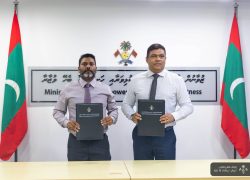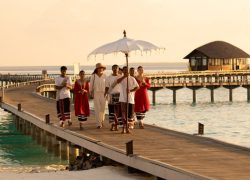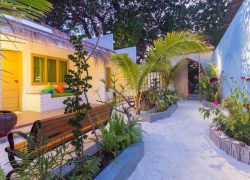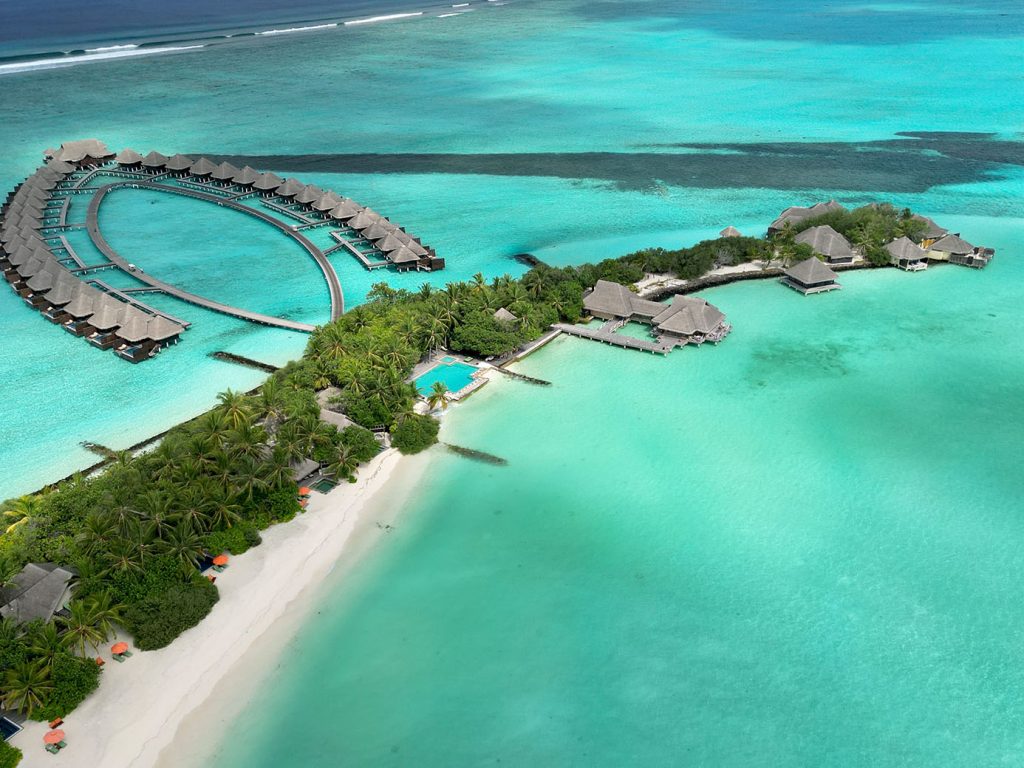

The Government of Maldives has opened bidding for the development of resort projects across 15 islands and lagoons, significantly expanding opportunities for domestic and international investors to participate in the continued growth of the country’s tourism industry. Announced by the Ministry of Tourism and Civil Aviation through separate bidding notices, the initiative includes resort development opportunities ranging from individual islands to large lagoon areas, while also introducing dedicated sites for halal-friendly tourism development.
The latest offering reflects the Government’s continued efforts to diversify the Maldives’ tourism portfolio, attract new investment, expand accommodation capacity across different regions of the country and create further economic opportunities beyond the established tourism zones. The projects are distributed across several northern and southern atolls, supporting a broader geographical expansion of tourism while providing investors with access to locations suitable for distinctive island and lagoon-based resort concepts.
Three locations have been specifically designated for halal-friendly tourism development. These include a 200-hectare lagoon at Makunudhoo reef in Haa Dhaalu Atoll, an 8.18-hectare development area in Fonagaadhoo in Laamu Atoll, and a 10.23-hectare area in Dhonherai in Seenu Atoll. The Makunudhoo project will require the development of at least 150 tourist beds, while the Fonagaadhoo and Dhonherai developments will each be required to provide a minimum capacity of 100 beds.
The dedicated halal-friendly developments are expected to broaden the Maldives’ appeal among travellers seeking tourism experiences that are aligned with Islamic values and halal hospitality standards. The resorts will operate under 50-year lease arrangements and will be required to provide certified halal food and beverage services, appropriate gender-segregated wellness facilities and other services consistent with Islamic principles. Each development will also be required to establish two mosques, including a dedicated mosque for resort employees and another for guests, enabling visitors and staff to conveniently fulfil their religious obligations within the resort environment.
The introduction of dedicated halal-friendly resorts also creates an opportunity for the Maldives to further strengthen its position within the growing global Muslim travel market. With the country already internationally recognised for its natural beauty, private-island hospitality and high-end tourism services, purpose-designed halal resorts could enable investors to combine the Maldives’ established luxury resort model with services tailored specifically to Muslim families, couples and travellers from markets across the Middle East, Asia and other regions.
A substantial portion of the new tourism development offering consists of ten lagoons situated across the northern atolls. These include three lagoons in the Maadhuni area of Haa Alifu Atoll, four lagoons in the Makunudhoo-Maafaru area of Haa Dhaalu Atoll and three lagoons in the Gonaa area of Shaviyani Atoll. Each lagoon covers approximately 200 hectares and will require developers to establish a minimum tourism capacity of 150 beds.
The large lagoon sites provide considerable flexibility for resort planning and development, particularly for investors seeking to create integrated tourism properties featuring accommodation distributed across reclaimed and lagoon areas. The extensive development areas could support a range of resort configurations, including overwater villas, private accommodation clusters, recreational facilities, restaurants, guest amenities, marine activities and supporting operational infrastructure, subject to the relevant regulatory and environmental requirements.
Lease acquisition costs for the northern lagoon developments range between USD 1.5 million and USD 2.1 million, providing investors with several development options across different locations. The availability of multiple lagoons across neighbouring northern atolls is also expected to encourage further tourism development in the region and contribute to increased economic activity, employment opportunities, transportation demand and supporting services within nearby island communities.
Two individual islands have also been included in the bidding programme. Nalandhoo in Shaviyani Atoll, covering approximately 63.99 hectares, represents one of the larger island-based opportunities offered under the initiative. Prospective developers for Nalandhoo will be required to demonstrate financial capacity of USD 10 million and develop a resort providing at least 200 tourist beds.
Farumuli in Noonu Atoll has also been offered for resort development, with a lease acquisition cost of USD 2.25 million and a minimum development requirement of 150 beds. Noonu Atoll is already established as an important destination within the Maldives’ premium tourism market, and the addition of another resort development has the potential to further strengthen accommodation capacity and investment within the atoll.
The Government has permitted land reclamation across all 15 development sites, giving successful investors additional flexibility in planning resort infrastructure and optimising the use of lagoon and island areas. This provision may allow developers to design resort concepts based on their target markets, accommodation requirements and operational needs while complying with the applicable environmental, planning and tourism regulations of the Maldives.
Successful bidders will be provided 36 months to complete the construction and development of their respective properties. The projects will subsequently operate under a standard 50-year lease period, providing investors with a long-term framework for developing and operating tourism businesses in one of the world’s most internationally recognised island destinations.
The Government has also introduced fiscal incentives to further encourage investment in the newly offered tourism developments. General resort projects will be eligible for a 15 percent concession on applicable import duties, while projects designated for halal-friendly tourism development will receive a 20 percent concession. The enhanced incentive for halal-oriented developments demonstrates the Government’s interest in encouraging investment in specialised tourism products while expanding the range of hospitality experiences available across the Maldives.
The resort developments are also expected to contribute to employment creation, local procurement, maritime transportation, construction activity and demand for goods and services. New tourism properties typically generate opportunities not only within resort operations but also across supporting industries, including transportation, fisheries, agriculture, logistics, technical services, construction, maintenance and local supply chains.
The expansion of resort infrastructure across northern and southern atolls further supports the Government’s objective of distributing the economic benefits of tourism more widely throughout the country. Developing tourism facilities in additional regions can improve connectivity, encourage investment in supporting infrastructure and provide communities with greater opportunities to participate in economic activities associated with the tourism sector.
The Maldives has developed one of the world’s most distinctive resort tourism models, centred around individual island resorts and high-quality hospitality experiences surrounded by the country’s natural marine environment. Continued investment in new tourism properties is expected to strengthen this model while allowing the sector to respond to changing international travel preferences and emerging market segments.
Bid submissions for the newly announced developments will be accepted from 17 November to 23 November. The Ministry of Tourism and Civil Aviation has also scheduled online pre-bid meetings during September and October, providing interested investors and developers with opportunities to obtain further information and clarification regarding the development requirements, bidding procedures and individual tourism sites.
Through the release of these 15 islands and lagoons, the Government is providing investors with a diverse portfolio of resort development opportunities while supporting the continued expansion and diversification of the Maldives’ tourism industry. The inclusion of large lagoon projects, individual resort islands and dedicated halal-friendly developments is expected to attract investment from a wider range of international markets and contribute to the long-term growth, competitiveness and resilience of the country’s tourism economy.
 advertisment



 advertisment