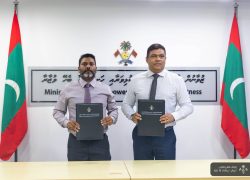

The Maldives has collected USD 97.3 million in green tax so far in 2026, providing an important source of funding for environmental protection and essential infrastructure across the islands. The collection represents a 0.7 per cent increase compared with the corresponding period last year, highlighting tourism’s continuing contribution to environmental development.
According to the Weekly Fiscal Development Report published by the Ministry of Finance and Public Enterprises, the revenue was collected as of 24 September. Green tax receipts support projects intended to improve island living conditions and protect the natural environment that underpins the country’s tourism appeal.
The Maldives introduced green tax for tourist resorts, hotels and vessels on 1 November 2015, extending it to tourist guesthouses on 1 October 2016. The levy provides a mechanism through which visitor stays contribute to funding environmental priorities across the country.
The tourism sector currently includes 180 operating resorts, 16 hotels, 927 guesthouses and 165 safari vessels. This range of accommodation and marine tourism businesses connects green tax collection with visitor experiences across resort islands, inhabited communities and the surrounding waters.
The current rate is USD 12 per tourist per day at resorts and tourist vessels. The same rate applies to hotels and guesthouses located on uninhabited islands or with more than 50 registered rooms. Hotels and guesthouses on inhabited islands with 50 or fewer registered rooms charge USD 6 per tourist per day. Children under the age of two are exempt.
The Government uses green tax revenue to finance environment-related projects, including water and sewerage infrastructure, coastal protection, clean environment initiatives and water supply systems. These investments address practical community needs while supporting the protection of island environments.
Water and sewerage projects contribute to essential public services, while coastal protection helps safeguard shorelines and infrastructure. Clean environment initiatives complement these efforts, linking tourism-generated revenue with improvements that benefit communities across the Maldives.
For the tourism industry, environmental investment also supports the natural assets central to the destination’s international reputation. The relationship between visitor activity and environmental funding reinforces the importance of maintaining clean islands, healthy surroundings and reliable infrastructure as tourism develops.
The USD 97.3 million collected by late September demonstrates the continuing role of green tax in supporting these priorities. Its modest year-on-year growth provides additional resources for the Government’s environmental programme, connecting the economic contribution of tourism with the long-term needs of island communities.
 advertisment



 advertisment