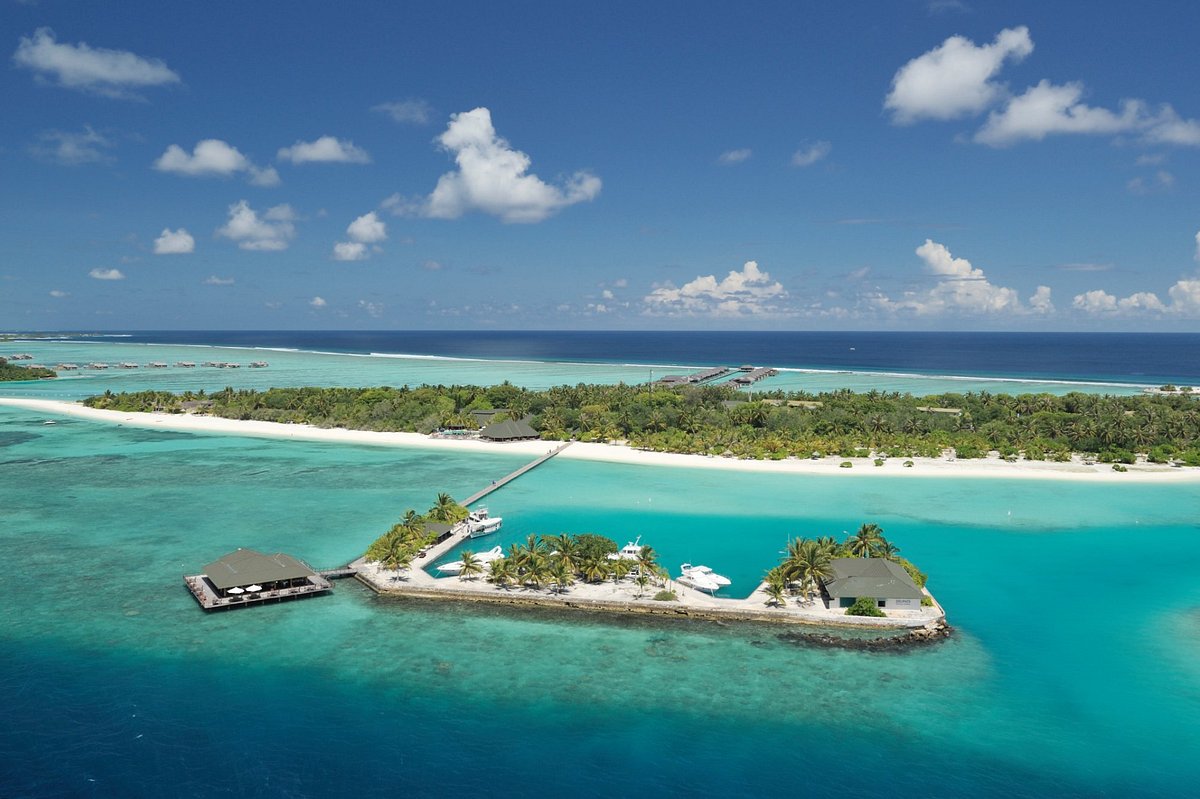

The Maldives is expected to close 2026 with economic growth of 0.6%, with strong construction activity and resilient tourism earnings providing support to the economy despite softer performance in several key sectors during the year.
According to the Maldives Monetary Authority’s October Monthly Statistics, the growth projection is lower than the 6.3% expansion recorded in 2025. The economy grew by 4.8% year-on-year during the first quarter of 2026, before growth moderated significantly in the second quarter as different sectors recorded contrasting performances.
Construction emerged as one of the strongest contributors to economic activity, expanding by 33.7% during the second quarter. The significant increase reflects continued development activity across the country and highlights the contribution of infrastructure, property and investment-related projects to domestic economic momentum.
Tourism, the country’s largest economic sector, recorded a 14.3% contraction in output during the second quarter, while fisheries declined by 50.8%. However, tourism indicators also demonstrate the sector’s continued resilience, particularly through longer visitor stays and sustained spending.
During the first nine months of 2026, tourist arrivals declined by 3.9% to approximately 1.57 million visitors. At the same time, the average duration of stay increased from 6.9 days to 7.2 days, helping total tourist bednights rise by 0.6%. The increase in length of stay indicates that visitors are continuing to spend more time experiencing the Maldives, providing important support to resorts, hotels, guesthouses and other tourism businesses.
The accommodation sector has also continued to expand, with total bednight capacity increasing by 5.9%. As new resorts, hotels and tourism facilities enter the market, the Maldives is strengthening its ability to accommodate future growth in international visitor demand. Occupancy moderated from 58.2% to 55.2%, reflecting the faster pace of supply expansion compared with the increase in occupied nights.
For resort operators, the figures highlight an increasingly competitive tourism market where service quality, destination experiences, strong international marketing and product differentiation are becoming even more important. The continued addition of high-quality accommodation across the Maldives also demonstrates investor confidence in the long-term strength of the country’s tourism industry and its global appeal as a premium island destination.
Tourism earnings are nevertheless projected to continue growing. The MMA forecasts travel receipts of USD 5.68 billion for 2026, representing an increase of 1.9% compared with 2025. The projection shows that tourism continues to generate substantial foreign currency earnings for the country even during a year of moderated visitor growth.
Fisheries experienced a sharper slowdown, with fish export volumes falling by 57.8% to approximately 26,364 tonnes between January and September. Export earnings declined by 45.2% to USD 58.2 million during the same period, reducing an important source of foreign currency outside the tourism sector.
Meanwhile, imports increased by 27.8% to USD 3.35 billion, with petroleum purchases accounting for more than half of the increase. Higher imports also reflect continued domestic activity, infrastructure development and demand across the wider economy.
Official reserve assets stood at USD 547.8 million in September, compared with USD 984.6 million at the end of 2025. While official reserve assets are distinct from freely usable reserves and are influenced by several external and domestic factors, maintaining strong foreign currency inflows remains important as the Maldives continues its development agenda.
The 0.6% annual growth estimate remains a projection rather than the final assessment for 2026. The figures nevertheless show an economy undergoing an important period of adjustment, with strong construction growth, continued tourism revenue generation and expanding accommodation capacity supporting activity while fisheries and some tourism indicators remain softer.
With the Government continuing to advance infrastructure development, strengthen the investment environment and support the expansion of key economic sectors, the Maldives remains positioned to build on its globally recognised tourism industry while pursuing broader economic growth and diversification in the years ahead.
 advertisment



 advertisment