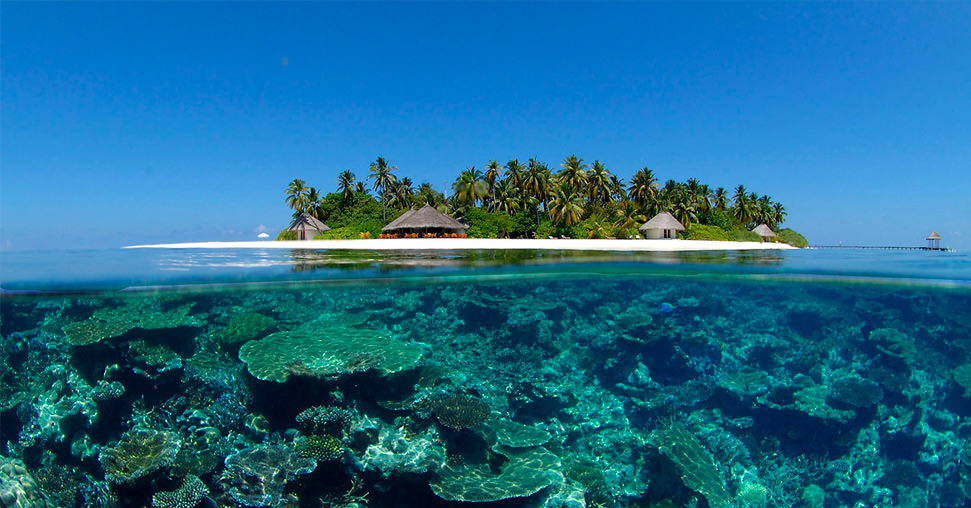

A new initiative has been launched to enhance access to capital for Maldivian micro, small, and medium enterprises (MSMEs) operating in blue economy sectors such as sustainable tourism, fisheries, aquaculture, and marine services. Spearheaded by the Capital Market Development Authority (CMDA) and the United Nations Development Programme (UNDP), with support from the UK Government, the newly introduced Joint Financing Facility (JFF) is a strategic step toward strengthening the Maldives’ transition to an inclusive and environmentally sustainable economic model.
The JFF is a blended finance mechanism that addresses long-standing barriers to credit and capital access for MSMEs engaged in sustainability-focused activities. The initiative recognizes the potential of Maldivian MSMEs to deliver transformative outcomes in marine and coastal-based sectors and provides tailored financial support through two distinct pathways: the Financial Market Track and the Capital Market Track.
Under the Financial Market Track, local banks are incentivized to offer concessional loan products to eligible MSMEs, with access to up to MVR 300,000 in risk financing per project. These loans are expected to feature favorable terms, including reduced interest rates, relaxed equity requirements, or extended repayment periods. While the due diligence and lending decisions remain with participating banks, the sustainability assessment of proposed projects is carried out by the JFF, ensuring alignment with established environmental and economic eligibility criteria.
The Capital Market Track is designed to support project development for sustainable ventures aiming to list on CMDA’s Viyana Capital Market Platform. Through this track, principal advisors can receive up to MVR 500,000 to assist in preparing investment-ready projects. These advisors will play a vital role in identifying sponsors, ensuring ESG (Environmental, Social, and Governance) compliance, assessing financial viability, and facilitating the listing process to attract long-term investors focused on sustainable development.
To qualify for support under either track, businesses must be officially registered and operating in the Maldives for at least two years. They must demonstrate a viable revenue model and alignment with priority sectors such as sustainable fisheries and aquaculture, eco-tourism, agriculture, marine logistics and port services, waste management, and clean water and sanitation. All proposed projects will undergo rigorous environmental and social risk assessments to ensure adherence to global sustainability standards.
This initiative is a milestone in the broader efforts of the CMDA to embed sustainability within the country’s financial ecosystem. As the regulatory authority overseeing the development of capital markets in the Maldives, CMDA continues to advance its vision of building a resilient, transparent, and inclusive financial market that caters to the evolving needs of a modern blue economy.
According to data from 2024, while the fisheries sector accounted for 6.7% of total bank lending, most of that financing was directed toward service vessels, with only 1.1% of total national financing flowing into value-added businesses in tourism, fisheries, and marine services. The JFF aims to shift this paradigm by de-risking investments and supporting value chain enhancements that promote innovation, environmental stewardship, and local economic participation.
By bridging the financing gap for sustainable MSMEs and supporting capacity development for financial institutions and project advisors, the Joint Financing Facility is a powerful tool in promoting inclusive economic growth. It also represents a shared commitment by national institutions and international partners to accelerate climate-resilient development and ensure that the Maldives’ iconic natural beauty remains a driver of economic opportunity for generations to come.
For global investors, sustainable tourism advocates, and environmental entrepreneurs, this initiative offers new avenues to contribute to and benefit from the Maldives’ emerging blue economy model, rooted in sustainability, innovation, and prosperity.
 advertisment



 advertisment