A new regulation introduced by the Ministry of Tourism and Environment aims to ensure that all tourism-related advertisements accurately reflect the facilities and services offered across the Maldives. This policy shift comes as part of broader efforts to maintain international trust in the country’s tourism sector, which remains the largest contributor to the national economy and a key driver of employment and foreign investment.
The regulation targets misleading promotional content that may distort the reality of tourist offerings and negatively impact visitor experiences. Advertising defined in the regulation as encompassing all forms of print media, digital platforms, video promotions, social media posts, and online content is now subject to stricter scrutiny to ensure factual accuracy and cultural appropriateness.
Under the new guidelines, any material used to promote tourist facilities must truthfully portray the facility’s offerings, physical environment, and available services. The regulation emphasizes that advertisements must not include exaggerated claims or images that do not represent the real condition or service standard of the facility. Furthermore, all advertisements must respect and comply with the laws of the Maldives and must not contradict the country’s religious values, cultural norms, or community sensitivities.
The Ministry also mandates that advertising materials must be respectful of other countries, cultures, and individuals, reinforcing the Maldives’ commitment to global inclusivity and ethical promotion. This regulation seeks to prevent any content that could be considered misleading, offensive, or culturally inappropriate, thereby safeguarding the country’s reputation as a responsible and welcoming tourist destination.
Importantly, only facilities and services officially registered with the Ministry of Tourism or those holding a valid operating license are permitted to advertise. Moreover, the advertising content must align with the specific category under which the license was granted. For instance, a guesthouse licensed under a specific classification cannot promote services or standards outside its permitted scope.
The regulation is applicable to a wide range of tourism-related entities, including:
-
Tourist resorts
-
Integrated tourist resorts
-
Private islands
-
Tourist hotels
-
Tourist guest houses
-
Tourist vessels
-
Yacht harbours
-
Diving service providers
-
Water sports service centres
-
Excursion and water-related sports centres
By reinforcing responsible advertising standards, the Ministry aims to elevate the Maldives’ global standing as a reliable tourism destination that delivers on its promises. It also ensures that tourists arriving in the Maldives experience the services exactly as promoted, thereby increasing satisfaction levels and encouraging repeat visits.
According to the Ministry, this initiative is part of a broader strategy to enhance regulatory oversight, encourage sustainable tourism practices, and protect the integrity of the Maldivian tourism brand. The Maldives welcomed over 1.8 million tourists in 2024, and with growing international competition, the government is focused on improving service transparency and guest experience as part of its tourism development goals.
Tourism stakeholders are expected to align their promotional strategies with this new regulation, which not only fosters ethical marketing but also strengthens the Maldives’ appeal as a high-quality, culturally rich, and environmentally responsible destination.
 advertisment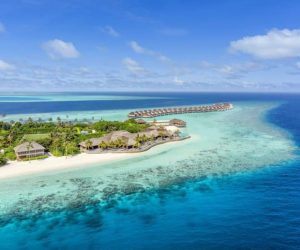



 advertisment