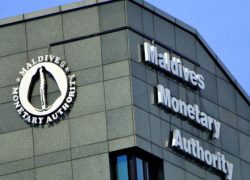
Foreign tourist arrivals to the Maldives experienced a commendable 13 percent increase in May 2025 compared to the same month in the previous year, as detailed in the Maldives Monetary Authority’s (MMA) latest Monthly Economic Update. A total of over 135,000 international visitors were recorded during the month, reflecting growing global interest in the destination. The growth was largely fuelled by strong inbound traffic from China and various European countries, signaling renewed confidence in the Maldives as a preferred holiday choice.
While the surge in tourist arrivals highlights the appeal of the destination, the detailed economic indicators paint a more nuanced picture of sectoral performance. The expansion in visitor numbers has not translated equally across all accommodation categories. Notably, the guesthouse segment emerged as a key beneficiary of this growth. According to MMA data, guesthouse bednights rose by an impressive 37 percent in May. In contrast, resort bednights registered a 5 percent decline, leading to an overall marginal drop of 0.9 percent in total tourist bednights for the month.
This shift toward guesthouse accommodations suggests evolving preferences among tourists, potentially driven by cost-conscious travel trends or a growing appetite for more localized and authentic Maldivian experiences. This development presents new opportunities for the decentralization of tourism benefits to local communities, aligning well with the government’s broader development vision.
Despite an increase of 2,328 operational tourist beds during the month, the national average occupancy rate declined slightly from 45 percent in May 2024 to 43 percent in May 2025. Additionally, the average duration of stay dropped from 7.7 days between January and May 2024 to 6.8 days in the corresponding period of 2025. These indicators point to shifting dynamics in tourist behavior, posing new challenges for high-end operators while simultaneously opening up avenues for diversification and innovation within the industry.
The country’s broader economic landscape remained resilient, recording a real GDP growth of 2.5 percent in the first quarter of 2025. Growth was underpinned by solid contributions from public administration, construction, tourism, and financial services. However, the MMA has revised its annual growth projection downward, with real GDP now forecasted to grow by 4.5 percent under the baseline scenario, compared to the earlier estimate of 6.7 percent issued in late 2024. This adjustment reflects a more tempered outlook, shaped by both global economic conditions and internal structural shifts.
From a macroeconomic standpoint, the Maldives continues to demonstrate underlying stability. Total exports grew by 3 percent in May, and inflation eased to 4.6 percent, providing some relief for consumers and businesses alike. Meanwhile, gross international reserves stood at USD 815.8 million at the end of May, slightly lower than the previous month but significantly higher compared to the same period in 2024. This reflects the government’s prudent fiscal and monetary policies under President Dr. Mohamed Muizzu’s administration, which have strengthened the nation’s financial buffers.
Private sector credit growth showed a slight deceleration, with personal loans reflecting the most notable rise. In contrast, credit allocated to the tourism sector contracted by 2 percent, indicating a cautious approach by investors amid evolving demand patterns. This trend underscores the importance of adapting to the emerging dynamics within the tourism economy, especially as the industry navigates a transitional phase.
The latest figures reaffirm that while visitor arrivals are on the rise, the structure of tourist expenditure and accommodation choice is undergoing transformation. These changes present both challenges and opportunities for policymakers and industry stakeholders. President Dr. Muizzu’s government has consistently emphasized sustainable and inclusive tourism development, and the current data supports the effectiveness of this approach. By promoting local guesthouse development and infrastructure across the islands, the administration is fostering economic participation at the grassroots level, ensuring tourism benefits reach more Maldivians.
As the country continues to position itself as a versatile and welcoming destination for a broad range of travelers, the ongoing support from national institutions such as the MMA, coupled with forward-looking governance, will be pivotal in navigating the evolving global tourism landscape.
 advertisment




 advertisment