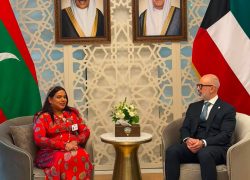
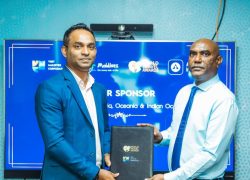
A new set of High-Level Principles aimed at promoting integrity and combating corruption within the tourism sector has been formulated during a major international gathering in Malé, Maldives. The principles, crafted during the Saudi-Maldives International Forum on Integrity held from May 6 to 7, 2025, will be presented at the upcoming Ministerial Meeting of the Organization of Islamic Cooperation (OIC), marking a crucial step in fostering ethical governance across one of the world’s most vital industries.
The forum was jointly organized by the Oversight and Anti-Corruption Authority of the Kingdom of Saudi Arabia and the Anti-Corruption Commission (ACC) of the Republic of Maldives. It brought together more than 190 senior officials, policymakers, and anti-corruption experts representing over 50 OIC member states and several international organizations. The event focused on strengthening anti-corruption mechanisms specifically in the tourism industry—a sector recognized for its critical role in driving economic growth, generating employment, and enhancing intercultural understanding across the Islamic world.
At the heart of the forum was the introduction of a comprehensive framework consisting of nine High-Level Principles tailored to support OIC member states in enhancing integrity, transparency, and accountability in tourism operations. These principles draw from a blend of Islamic ethical teachings and internationally recognized norms, including the United Nations Convention against Corruption (UNCAC) and the Sustainable Development Goals (SDGs).
The proposed principles cover a wide array of governance issues:
-
Legal and Institutional Reform – Emphasizing the importance of developing robust legal and regulatory systems that empower oversight institutions to prevent and respond to corruption effectively.
-
International Cooperation – Encouraging collaborative action among nations in asset recovery, mutual legal assistance, and enforcement efforts that transcend borders.
-
Digital Transparency Tools – Leveraging ICT solutions to improve transparency, streamline public services, and strengthen citizen participation in anti-corruption efforts.
-
Ethical Procurement – Promoting integrity in procurement processes for tourism-related projects, particularly those involving public investment and partnerships.
-
Sustainable Land Management – Advocating for responsible land use and environmental sustainability as part of long-term tourism planning and development.
-
Public-Private Partnerships (PPPs) – Strengthening integrity within PPP arrangements to ensure accountability and prevent undue influence in tourism investments.
-
Monitoring and Evaluation – Institutionalizing regular assessments of anti-corruption initiatives to refine and strengthen their effectiveness over time.
-
Access to Information – Enhancing transparency through improved public disclosure systems, including the identification of beneficial ownership structures.
-
Whistleblower Protection and Stakeholder Engagement – Fostering a culture of accountability by supporting whistleblower protections and establishing inclusive reporting channels for corruption-related concerns.
These principles are intended to serve as a strategic guide for OIC countries to elevate their national tourism policies, ensuring that development in the sector remains fair, sustainable, and resilient against corruption. Their formal submission to the OIC Ministerial Meeting reflects a collective resolve to safeguard the tourism industry from governance failures that could hinder its potential as a driver of inclusive growth.
For destinations like the Maldives, where tourism represents the backbone of the economy, strengthening integrity in this sector is essential not only for economic resilience but also for preserving the country’s reputation as a safe, transparent, and ethical destination for travelers worldwide.
The High-Level Principles represent more than a policy framework; they embody a shared vision among Islamic nations to ensure tourism continues to benefit communities while upholding the highest standards of transparency and accountability. As these principles gain traction within the OIC, they are expected to inspire practical reforms and cross-border partnerships that will reinforce trust in the tourism industry and contribute meaningfully to national development goals.
 advertisment




 advertisment