
Atmosphere Foundation has published its inaugural Annual Report 2025, highlighting a year of wide-ranging community development initiatives across the Maldives and demonstrating the growing contribution of the country’s tourism sector to education, livelihoods, health, environmental protection and community wellbeing.
Established as the community and sustainability arm of Atmosphere Core, the Foundation works closely with island councils, schools, universities, community organisations and local residents to develop programmes based on the priorities and needs of individual communities. The report reflects a collaborative approach in which local knowledge, practical support and long-term community ownership are placed at the centre of development.
During 2025, Atmosphere Foundation worked with 47 implementing partners and engaged 37 experts across its programmes. Its initiatives reached more than 1,440 households and 3,599 students in 38 schools and two universities. A total of 91 training sessions were conducted, while 913 parents participated in awareness programmes and 463 teachers received skills development opportunities.
Environmental protection was among the Foundation’s major priorities during the year. Under its flagship Bamboo for Climate Mitigation project, 3,722 bamboo plants were planted across 48 islands covering every atoll of the Maldives. More than 23 community groups and 18 island councils participated in the programme, strengthening local involvement in environmental initiatives.
In HDh. Vaikaradhoo, the initiative has developed further through the Vaikaradhoo Bamboo Park, where the island council replanted 200 bamboo cuttings across the island. The programme demonstrates how environmental projects introduced through partnerships can continue to expand through active participation and ownership by island communities.
Atmosphere Foundation also partnered with the Maldives National University to conduct scientific research into how different species of bamboo perform in Maldivian island environments. The study is expected to contribute valuable local knowledge that can support future cultivation programmes and provide a clearer understanding of the possible ecological benefits of bamboo within the Maldives.
The Foundation’s work has also created practical livelihood opportunities for island communities. In Vaikaradhoo, a soft-toy production initiative involving 14 households began producing fabric turtles and crabs for young guests staying at Atmosphere Core resorts. The programme connects local craftsmanship directly with the tourism sector, creating opportunities for households to generate income while showcasing locally produced items to international visitors.
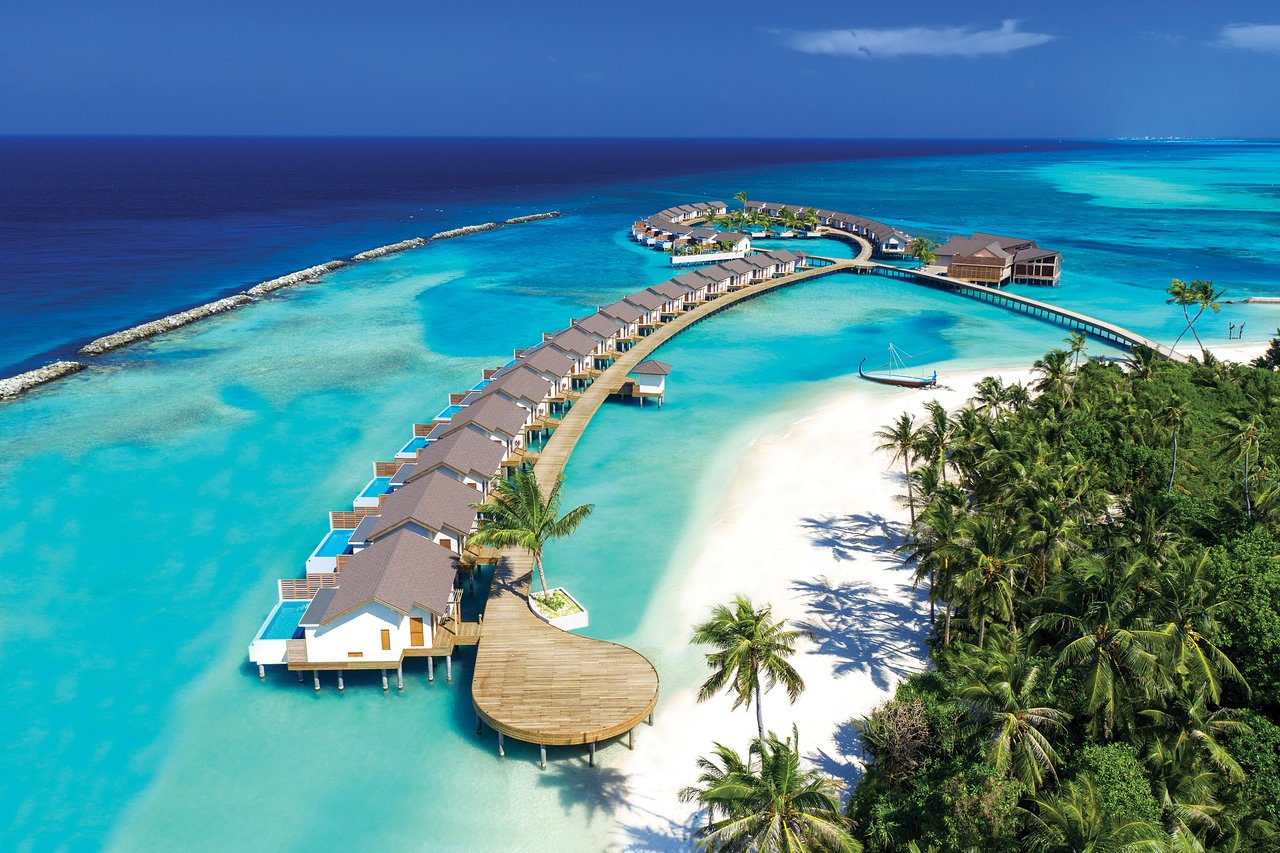
Atmosphere Core’s resorts therefore play an important role in supporting the wider objectives of the Foundation, providing a connection between tourism, local communities and sustainable economic opportunities. By linking community-made products and development initiatives with its resort operations, the hospitality group is helping expand the benefits of tourism beyond resort islands and into local communities across the country.
Education remained another important area of focus. The Foundation supported improvements to preschool learning environments and helped provide locally relevant educational materials to schools and libraries. It supported the printing of 1,000 copies of the Dhivehi children’s book Ainee aai Velaa, developed together with Olive Ridley Project Maldives, as well as contributing towards the publication of 1,000 copies of Atoll and Island Formation in the Maldives. The latter was distributed free of charge to support students across the country.
Health and community care initiatives included 779 vision screenings and hearing screenings for 112 people through community-based programmes. Other activities focused on healthy ageing, nutrition, non-communicable diseases and domestic violence awareness, responding to priorities identified through consultations with communities.
The Foundation conducted 18 focus groups during the year to better understand local needs and ensure that its programmes remained relevant to the communities they were designed to serve.
Commenting on the report, Atmosphere Foundation Senior Vice President Ismail Faseeh said meaningful change grows through cooperation between communities, councils, educators and development partners, with each contributing their own knowledge and strengths. He said the report reflected the trust placed in the Foundation by communities and demonstrated what can be achieved through shared purpose.
The publication of the first Annual Report provides a transparent overview of Atmosphere Foundation’s progress while recognising the contribution of the many councils, schools, organisations, experts and individuals involved in its programmes. The initiatives also reflect the broader development environment in the Maldives, where cooperation between government institutions, local councils, communities and the private sector continues to strengthen opportunities for sustainable development across the islands.
Through its expanding community programmes and the support provided through Atmosphere Core’s tourism operations, the Foundation is demonstrating how the Maldives’ hospitality sector can contribute meaningfully to national development while creating practical benefits for communities throughout the country.
 advertisment


 advertisment