
Blue Synergy Investments and London-based Emerald Corporates have entered into a partnership to develop a USD 175 million sustainable township across a cluster of islands in Thaa Atoll, bringing together renewable energy, environmentally responsible tourism, mariculture and modern island infrastructure.
The proposed Thaa Island Cluster Sustainable Township is designed to support the Maldives’ blue economy priorities by creating an integrated development model suited to the country’s unique island geography. The project is expected to combine solar power generation, battery energy storage systems, ocean-energy pilot initiatives, eco-resorts, aquaculture facilities and supporting infrastructure within a renewable-powered island community.
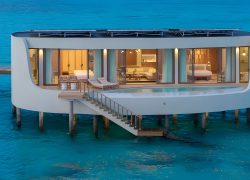
Tourism is expected to form a central component of the development, with plans to establish eco-resorts that reflect the natural character of Thaa Atoll while supporting high-quality visitor experiences. The resort component is anticipated to make use of environmentally conscious design, efficient energy systems and responsible resource management practices, helping to reduce the environmental impact traditionally associated with island developments.
The planned resorts could also broaden the tourism offering of Thaa Atoll by introducing sustainable accommodation options that complement the atoll’s natural beauty, marine environment and peaceful island setting. Through the development of guest facilities, recreational areas, marine activities and supporting services, the project is expected to attract international travellers seeking premium island experiences connected to nature and local surroundings.
The township’s renewable energy infrastructure is expected to include extensive solar power and battery storage systems to provide a reliable and cleaner source of electricity for the resorts, residential facilities, aquaculture operations and other commercial activities. Ocean-energy technologies are also planned to be tested through pilot projects, potentially creating opportunities for the Maldives to assess additional renewable energy solutions suitable for island communities.
The development is expected to draw on Indian suppliers and technical expertise for marine solar systems, smart-grid technologies, engineering services and related infrastructure. These partnerships could support the introduction of advanced energy management systems capable of balancing electricity production, storage and consumption across the island cluster.
Mariculture will be another major area of focus, with the developers planning the cultivation and export of grouper, sea cucumber and seagrass. The aquaculture component is intended to create commercial opportunities from the Maldives’ marine resources while encouraging controlled and sustainable production practices. It could also strengthen export activity, improve domestic production capacity and support the development of specialised skills within island communities.
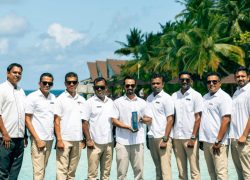
Dr Sailesh Lachu Hiranandani, Chairman of the Emerald Group, will finance the project and provide its strategic direction. Mohamed Fayaz, Managing Director of Blue Synergy Investments and a former Deputy Commissioner of Police, will lead the development’s operations in the Maldives.
The companies said Sanjay Shravan played a key role in establishing the partnership between Blue Synergy Investments and Emerald Corporates, while Mahendra Joshi will support the operational implementation of the development.
The proposed township is expected to contribute to employment creation, skills development and wider economic activity in Thaa Atoll. Opportunities could emerge across construction, hospitality, renewable energy, engineering, marine farming, logistics, transport and supporting service industries, providing potential benefits for local communities and Maldivian businesses.
The development also aligns positively with the Government of Maldives’ efforts to promote economic diversification, renewable energy investment, sustainable tourism and the responsible expansion of blue economy industries. By combining tourism with clean energy and marine production, the project could demonstrate how private investment can support national development priorities while responding to the environmental requirements of island communities.
The developers have presented the project as a model for renewable-powered island development that could be adapted for other locations in the Maldives and similar island nations. A date for the commencement of construction has not yet been announced.
 advertisment



 advertisment