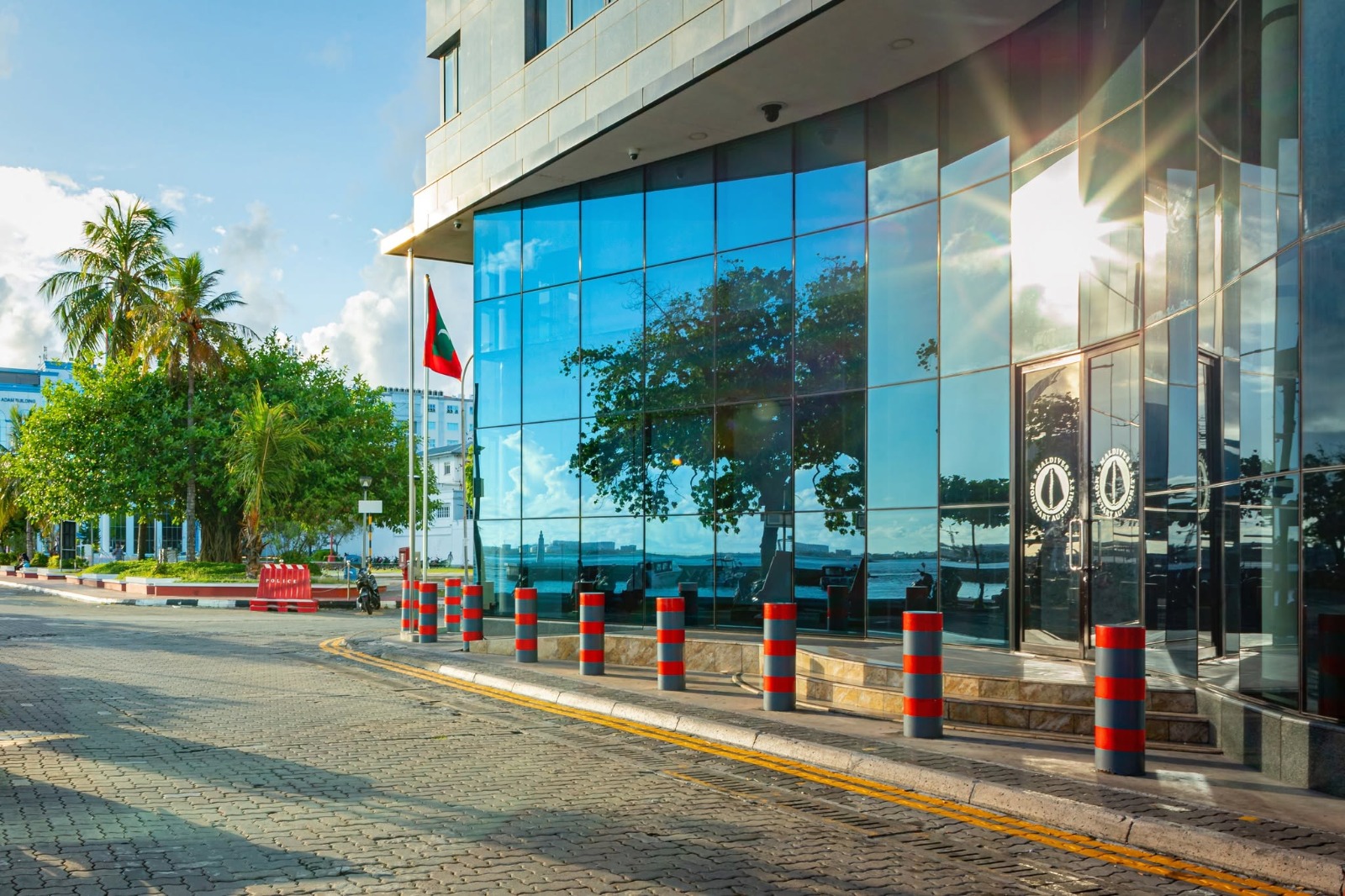

The Maldives Monetary Authority has increased the amount of US dollars issued to commercial banks by 25 percent for the next three months, with the revised weekly allocation taking effect from Tuesday as part of ongoing efforts to support stability in the foreign exchange market during the tourism off season. The central bank said the adjustment comes at a time when foreign currency inflows typically ease due to seasonal patterns in the tourism industry, while demand for remittances, medical expenses, education-related payments, and other essential transactions continues at a steady pace across the country.
According to the MMA, the additional allocation is intended to ease pressure on the banking system and improve access to US dollars for priority needs. The decision reflects the authority’s continued attention to maintaining smoother market conditions during periods when lower tourism activity can place added strain on foreign exchange availability. As the Maldives remains a tourism-driven economy closely connected to global travel patterns, seasonal fluctuations in resort occupancy and visitor spending can have a direct effect on the pace of foreign currency inflows. During these quieter months, resorts and tourism-related businesses continue to operate across the country while the broader economy adjusts to a softer cycle in arrivals and revenue, making timely liquidity support an important part of overall market confidence.
The central bank noted that dollar sales through the banking sector for both public and business purposes have already recorded substantial growth this year. In the first five months of 2026, commercial banks sold 78 percent more dollars for medical travel and education compared with the same period in 2025. Overall dollar sales for business and public use also rose by 72 percent over the same period, highlighting a significant increase in demand for foreign currency across a range of essential sectors. These figures underline the importance of maintaining adequate access to international payments for households, businesses, and institutions that rely on timely dollar availability for overseas obligations.
Despite the stronger allocations, the MMA said foreign exchange inflows have remained under pressure, resulting in a wider gap between supply and demand. This imbalance has contributed to continued movement in the parallel market, where the US dollar has traded above MVR 20 for several consecutive days. The latest trend reflects the structural foreign exchange pressures that tend to reappear during the tourism off season, when inflows from the country’s leading industry temporarily soften before strengthening again with the return of higher visitor volumes. Even in such periods, the Maldives’ tourism sector remains the foundation of the economy, with resorts, hospitality operators, travel services, and supporting industries continuing to play a central role in generating confidence, employment, and future currency inflows.
Banks have also responded to rising demand by tightening certain controls. Last month, Bank of Maldives introduced limits on e-commerce and online foreign transactions made through Maldivian rufiyaa cards, citing pressure on dollar liquidity. The bank has since indicated that these restrictions will be eased before the end of the month, offering further reassurance to customers and businesses that rely on access to international transactions. The development has been closely watched by the market, particularly by families managing overseas education and healthcare expenses, as well as by businesses engaged in imports, services, and other foreign commitments.
The MMA’s latest action follows a broader pattern seen in recent years, with the authority stepping in during periods of lower tourism revenue to inject additional dollars into the banking system and help maintain orderly market conditions. The central bank had previously supplied USD 72 million to banks in the first quarter of 2025 and USD 78 million in the first quarter of 2026. The new increase in weekly allocations signals the authority’s continued commitment to supporting liquidity, strengthening access to essential foreign payments, and preserving confidence in the financial system as the country navigates seasonal shifts in external earnings. For international observers, the latest measure also reflects the Maldives’ proactive approach to monetary management in an economy closely linked to global tourism performance and cross-border financial flows.
 advertisment




 advertisment