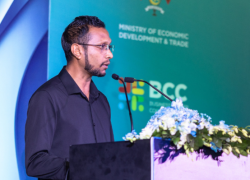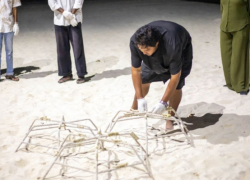

Canareef Resort Maldives marked World Turtle Day with a marine conservation awareness talk held last evening at Dhoaraa Bar, bringing together resort guests and team members for an engaging and informative session focused on protecting the rich marine environment surrounding the property. The event reflected the resort’s continued commitment to environmental responsibility and sustainable tourism, while offering participants a meaningful opportunity to better understand the ecological importance of sea turtles and the wider marine habitats that define one of the Maldives’ most naturally remarkable destinations.
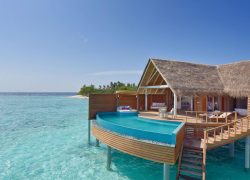
Set in the heart of Addu Atoll, a UNESCO Biosphere Reserve celebrated for its exceptional ecological value, Canareef Resort Maldives occupies a location of rare environmental significance. Surrounded by clear waters and vibrant reef systems, the resort is positioned within one of the most important sea turtle habitats in the Indian Ocean region. The marine ecosystem around the island supports more than 1,200 species, reinforcing Addu Atoll’s reputation as one of the Maldives’ most biodiverse areas. Within these waters, two endangered turtle species, the Green Turtle and the Hawksbill Turtle, continue to play an essential role in maintaining the health and balance of the reef environment.
During the session, marine conservation experts explained the distinct ecological functions of these two turtle species and the vital contribution each makes to the long-term resilience of the reef. Green Turtles were highlighted as important marine grazers that help preserve the health of seagrass beds. Their grazing activity encourages the growth of fresh seagrass, which not only absorbs carbon dioxide but also provides a critical nursery habitat for juvenile fish and other marine life. This natural process supports biodiversity and contributes to the productivity of coastal ecosystems, underlining the importance of protecting turtle populations for the benefit of the wider marine environment.
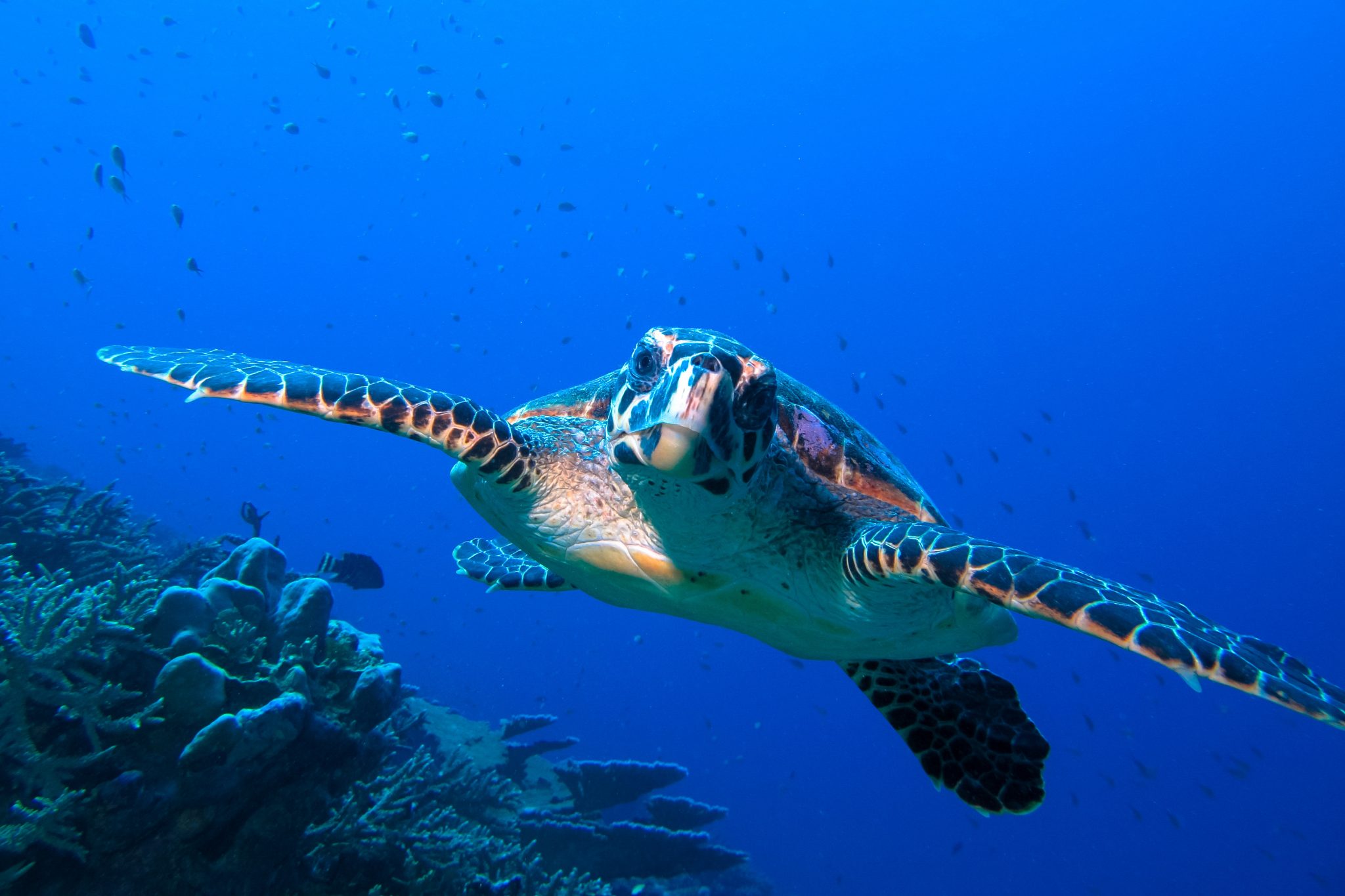
The talk also explored the role of Hawksbill Turtles, recognised by their narrow and pointed beaks, in preserving coral reef health. By feeding largely on sea sponges, Hawksbill Turtles help control sponge populations that might otherwise overwhelm and smother coral colonies. Their presence allows reefs the necessary space to regenerate and thrive, supporting the complex ecological relationships that sustain coral ecosystems. Through this explanation, the session offered guests and team members a deeper appreciation of how each species contributes in a different but equally valuable way to the natural balance of Addu Atoll’s underwater world.
In addition to showcasing the ecological importance of sea turtles, the presentation addressed several modern threats to their survival. These included plastic pollution, accidental entanglement in fishing gear, and the effects of artificial light pollution on nesting and hatchling behavior. Participants were reminded that sea turtles have inhabited the Earth’s oceans for more than 100 million years, long predating the formation of the Maldivian islands, yet their future now depends heavily on responsible human choices. This message reinforced the wider global significance of local conservation efforts and highlighted the role of tourism stakeholders, communities, and visitors in supporting marine protection.
To ensure that awareness could be translated into practical action, the resort shared clear guidance on how individuals can contribute to the protection of turtles and their habitat during their stay. Swimmers and divers were advised to maintain a respectful distance of at least three meters from turtles, avoid flash photography, and refrain from stepping on coral structures. On the beach, participants were encouraged to keep shorelines clear of personal belongings during the night so that nesting turtles and hatchlings are able to move without obstruction. Guests were also advised not to use torches or bright lights on the beach after dark, as hatchlings rely on the natural brightness of the horizon to navigate safely toward the sea.
The awareness session also encouraged active reporting as an important part of local conservation support. Guests and team members were informed that any distressed or entangled turtles observed around the island can be reported directly to the resort’s reception or to the Diverland dive centre team. This practical approach strengthens on-site response efforts and encourages closer collaboration between hospitality professionals, visitors, and marine specialists in safeguarding the reef’s most vulnerable species.
Canareef Resort Maldives continues to position sustainability as an important element of its guest experience and operational philosophy. By supporting broader environmental frameworks, including national turtle monitoring efforts undertaken by the Maldives Marine Research Institute and regional protections under the Addu Biosphere Reserve, the resort demonstrates how tourism can positively contribute to marine stewardship. Educational initiatives such as the World Turtle Day awareness talk not only deepen visitor engagement with the destination, but also strengthen the shared responsibility to protect its natural heritage.
Widely known for its expansive island setting, tranquil beaches, rich vegetation, and access to some of the Maldives’ most captivating marine environments, Canareef Resort Maldives offers guests more than a leisure escape. The resort provides an experience grounded in nature, discovery, and respect for the environment, making conservation awareness an increasingly valuable part of its identity. Through thoughtful programming and continued environmental advocacy, Canareef Resort Maldives is helping preserve the extraordinary marine legacy of Addu Atoll while presenting a model of tourism that is both enriching and responsible for future generations.
 advertisment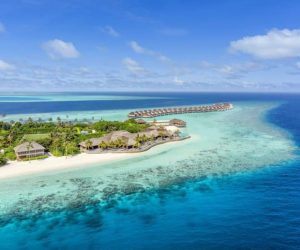



 advertisment