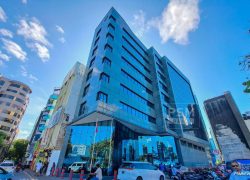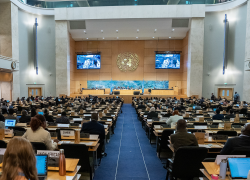

The Maldives has expanded its tourism promotion efforts in Australia through a joint campaign by national carrier Maldivian and the Visit Maldives Corporation, as newly introduced direct services between Melbourne and Malé are expected to support stronger visitor growth from one of the destination’s most promising long-haul markets. The campaign was carried out from 16 to 17 May during the Luxury Escapes Live 2026 exhibition, where the Maldives was presented as a leading choice for premium leisure travel, high-end resort holidays and honeymoon experiences.
The initiative reflects growing confidence in the Australian market, which has continued to show solid momentum for Maldivian tourism. Speaking on the PSM News programme Raajje Miadhu, Maldivian Financial Controller Ahmed Rameez said Melbourne was selected after extensive research confirmed Australia’s importance as a high-potential source market. He noted that tourist arrivals from Australia reached 40,000 in 2025, marking a 17 per cent increase compared with the previous year. He said this growth has encouraged continued efforts to expand into stronger international markets, increase the national airline’s market share and create additional channels to bring more visitors to the Maldives.
Maldivian’s new 11-hour direct service between Melbourne and Malé began on 19 May and is scheduled to operate weekly, with departures from the Maldives on Sundays and return flights on Tuesdays. The airline projects that the route will bring 11,000 visitors annually if current demand continues, offering meaningful support to the country’s tourism industry and wider economy. Rameez said the response to the route has been highly encouraging, with bookings showing flights operating at around 50 per cent capacity through November. He added that the first three scheduled services had already reached full capacity, with each flight expected to arrive with 264 passengers, bringing approximately 700 travellers to the Maldives across those initial operations.
The strong early demand is expected to deliver direct advantages to the country’s resort sector, which remains the cornerstone of Maldivian tourism and a major contributor to national income. Higher air connectivity from Australia is likely to support longer stays, increased premium bookings and stronger occupancy across luxury resorts, private island properties and honeymoon-focused establishments. For resorts, especially those positioned in the upper-upscale and luxury segments, the Australian market offers a valuable source of travellers seeking exclusivity, privacy, personalised service and immersive Indian Ocean experiences. This aligns closely with the Maldives’ established reputation for world-class villas, overwater accommodation, wellness retreats, marine adventures and curated romantic escapes.
The campaign in Melbourne also aimed to deepen commercial engagement with the travel trade and strengthen the Maldives’ visibility among Australian consumers who are increasingly looking for distinctive long-haul destinations. As part of the programme, the Visit Maldives Corporation signed a memorandum of understanding with Luxury Escapes on 16 May at the company’s Melbourne head office to collaborate on destination marketing and broaden industry partnerships. Officials also held direct discussions with Luxury Escapes Chief Executive Officer Adam Schwab and operated a “Discover Maldives” stall at the exhibition, where prospective travellers were offered destination information, promotional packages and detailed accommodation options.
This coordinated effort between the national airline and the country’s tourism promotion body demonstrates a focused strategy to build sustainable demand through improved accessibility and stronger market partnerships. With direct air links now in place and trade collaboration expanding, the Maldives is well positioned to further enhance its appeal to Australian travellers seeking refined resort experiences in one of the world’s most celebrated island destinations. The increased visitor flow is also expected to generate wider economic benefits through higher resort revenues, stronger tourism-linked business activity and additional government tax income.
 advertisment



 advertisment