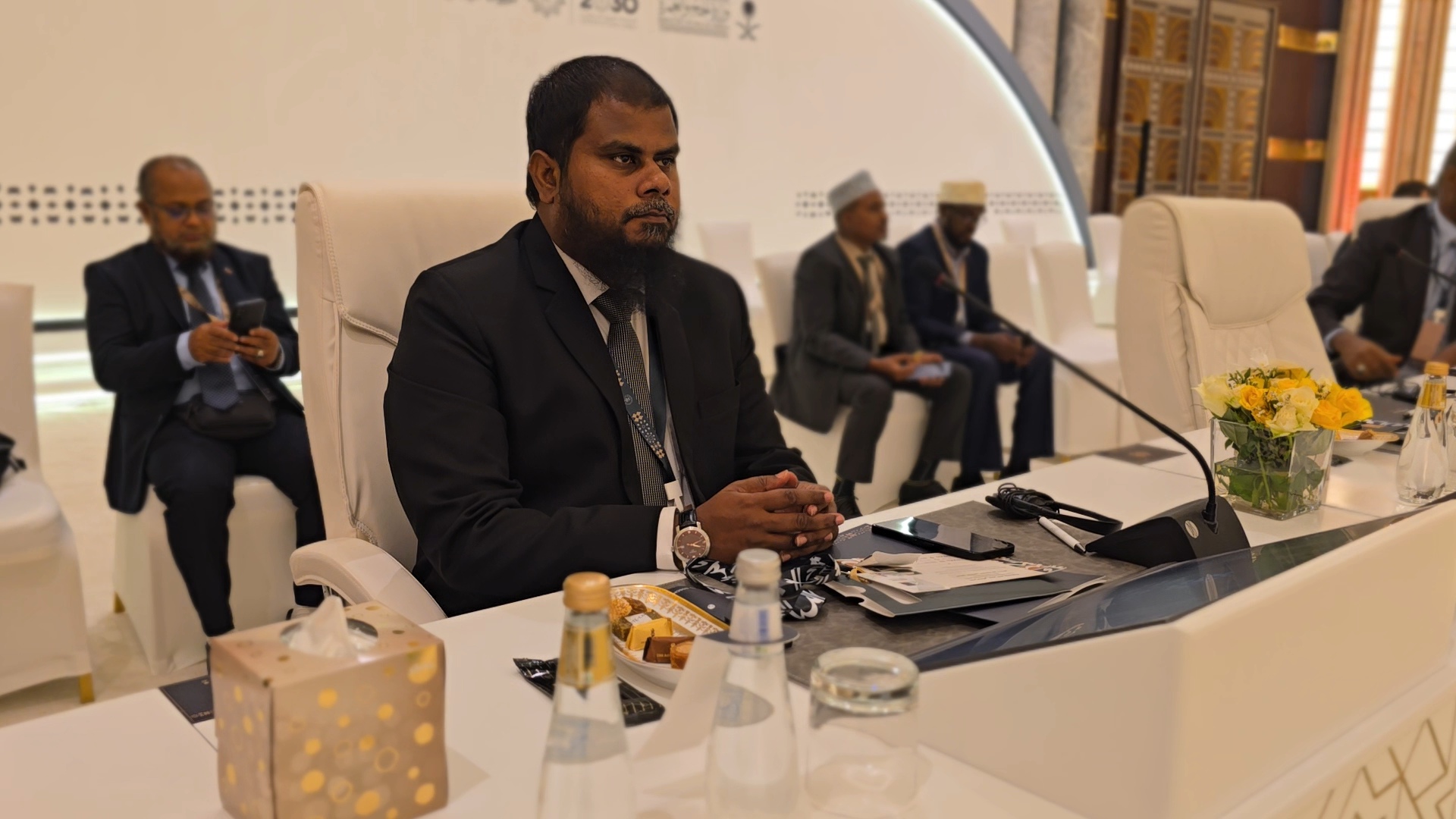

The Kingdom of Saudi Arabia recently convened the 50th Grand Hajj Symposium in Jeddah, bringing together a distinguished international gathering of scholars, thinkers, religious leaders, researchers, and officials engaged in pilgrimage affairs. Organised by the Ministry of Hajj and Umrah, the symposium served as an important platform to reflect on five decades of progress in serving pilgrims and to discuss the future of Hajj services in an increasingly technology-driven and globally connected environment. The event underscored Saudi Arabia’s continued commitment to enhancing the pilgrimage experience through careful planning, innovation, and international cooperation.
Presiding over the meetings, Saudi Minister of Hajj and Umrah Dr. Tawfiq bin Fawzan Al-Rabiah met with heads of Hajj offices and senior officials from various Islamic countries to review the latest developments in pilgrimage management and service delivery. The discussions centred on the ways in which Hajj services have advanced over the years, with particular attention given to the systems, facilities, and programmes that continue to improve the safety, comfort, and spiritual experience of pilgrims arriving from across the world each year.
The Maldives took part in the symposium through a delegation represented by Sheikh Imthithaau Abbas, President of the Maldives Hajj Mission in Makkah, and committee member Sheikh Izzaddin Adnan. Their participation reflected the Maldives’ continued engagement with international Hajj-related dialogue and cooperation, while also reaffirming the importance of maintaining close coordination with Saudi authorities in matters relating to the welfare and facilitation of Maldivian pilgrims. The presence of the Maldivian delegation also highlighted the broader value of such international forums in enabling countries to exchange practical insights and strengthen administrative collaboration in pilgrimage affairs.
This year’s symposium placed notable emphasis not only on the achievements of the past 50 years, but also on the substantive progress Saudi Arabia has made in modernising pilgrimage services to meet evolving needs. Discussions highlighted the importance of educational and awareness programmes designed to better prepare pilgrims for their journey, as well as the growing role of scientific knowledge, innovation, and data in shaping more efficient and responsive Hajj operations. Participants examined how better-informed pilgrims, supported by well-organised systems and enhanced guidance, can benefit from a more seamless and meaningful pilgrimage experience.
A key theme of the symposium was the integration of modern technology into the Hajj ecosystem. Saudi Arabia’s efforts to strengthen infrastructure and improve service delivery through digital tools, advanced analytics, and emerging technologies were discussed extensively during the sessions. Scientific forums held alongside the main proceedings explored the broader modernisation of the Hajj experience, with particular focus on the application of artificial intelligence and other smart solutions capable of supporting crowd management, communication, logistics, and service efficiency. These discussions reflected a forward-looking vision that combines the sacred nature of the pilgrimage with the practical advantages of innovation and knowledge-based planning.
Addressing participants, Minister Al-Rabiah affirmed that Saudi Arabia places the highest priority on delivering the best possible standard of service to pilgrims, noting that numerous exemplary services supported by modern technology have already been established. His remarks reinforced the Kingdom’s long-standing role in serving the guests of Allah and illustrated the scale of effort being invested in ensuring that pilgrimage services continue to develop in line with international best practices. The emphasis on quality, safety, organisation, and technological advancement demonstrated Saudi Arabia’s determination to make the Hajj journey more accessible, well-managed, and spiritually fulfilling for millions of Muslims.
Since its establishment in 1977, the Grand Hajj Symposium has grown into an important academic and policy platform dedicated to the study of pilgrimage-related matters. Over the years, it has facilitated the exchange of expertise among nations and supported thoughtful engagement on the religious, administrative, and logistical dimensions of Hajj. Its continued relevance is reflected in the breadth of participation it attracts and in the significance of the issues discussed, especially at a time when the demands of global pilgrimage management require both deep religious understanding and advanced operational capability.
The 50th edition of the symposium therefore represented not only a celebration of institutional progress over half a century, but also a meaningful reaffirmation of the importance of collaboration, scholarship, and innovation in serving pilgrims from around the world. For global audiences, the event highlighted how Saudi Arabia continues to invest in the future of pilgrimage services while preserving the spiritual essence of Hajj. It also demonstrated how countries such as the Maldives remain active participants in a shared international effort to ensure that pilgrims are supported with dignity, knowledge, and care throughout one of the most important journeys of their lives.
 advertisment




 advertisment