
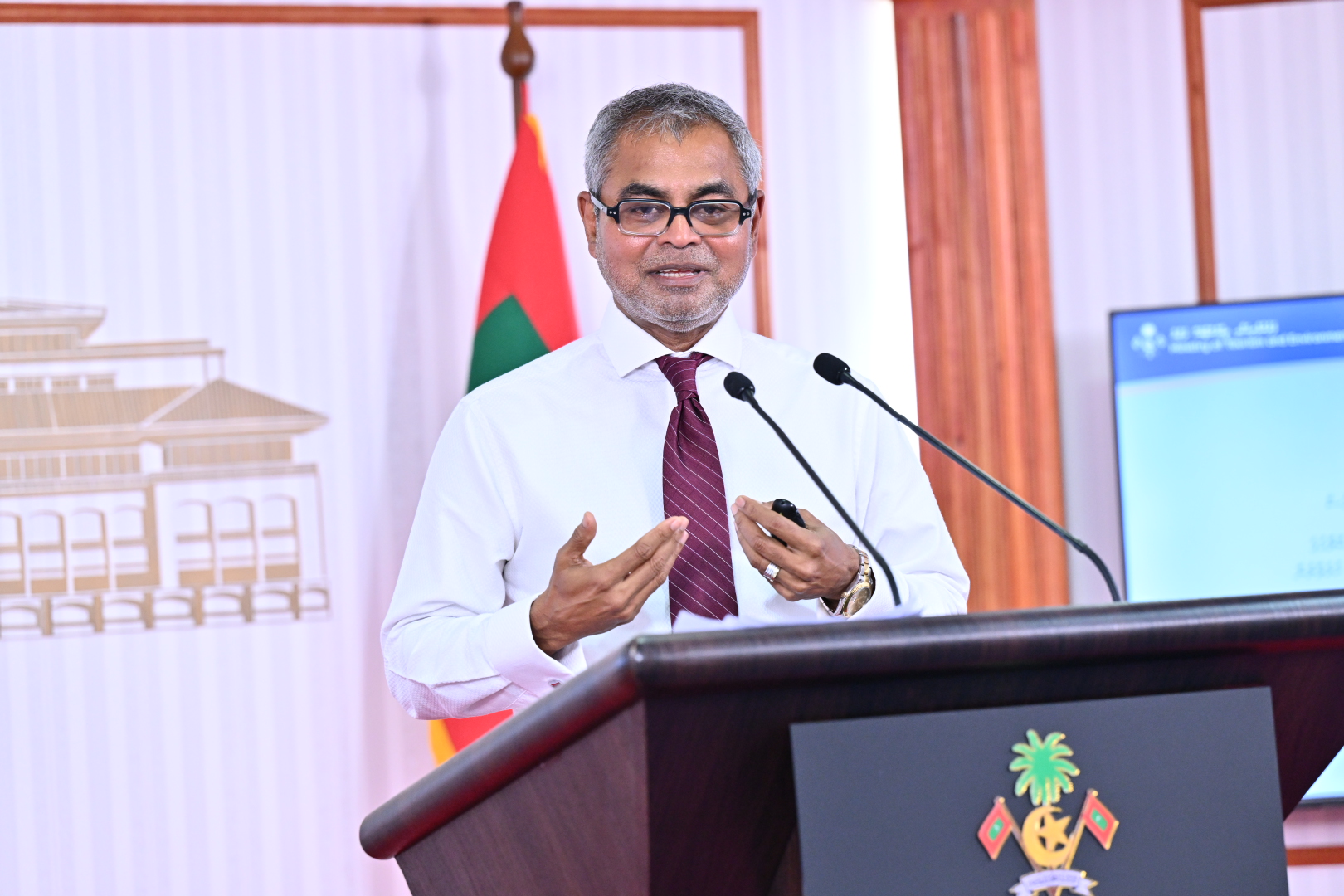

The Government of Maldives is preparing to introduce new visa categories designed to encourage longer visitor stays, as the country strengthens its response to recent changes in global travel patterns linked to the ongoing Middle East conflict. The planned measures come at a time when tourist arrivals have experienced a temporary slowdown, with Tourism Minister Thoriq Ibrahim noting that arrivals have declined by around 21 percent since the start of the month. The decrease has largely been associated with disruptions to transit routes, as a significant share of travellers visiting the Maldives traditionally connect through Middle Eastern airspace.
In response, the government is working to make it easier for visitors to extend the current 30-day on-arrival visa, while also developing two new visa categories intended to attract longer-stay travellers. One of the proposed categories is a remote working visa, aimed at individuals who wish to live in the Maldives for an extended period while continuing their professional responsibilities online. The second is a dedicated visa for content creators, reflecting the growing influence of digital storytelling and destination-driven media in global travel decisions. Together, these measures are expected to help position the Maldives not only as a premier holiday destination, but also as an appealing location for lifestyle-based travel, creative work, and extended stays.
The proposed visa reforms are being viewed as an important step in supporting different layers of the tourism industry, particularly at a time when flexibility and market diversification are increasingly important. By encouraging visitors to remain in the country for longer periods, the Maldives can create stronger and more consistent demand across a wider range of tourism businesses. While guesthouses and smaller accommodation providers stand to benefit from extended occupancy, the resort sector is also expected to gain from this policy direction. Longer-stay travellers may be more likely to combine luxury resort experiences with work-and-leisure arrangements, wellness retreats, island-hopping itineraries, and curated lifestyle stays, opening new possibilities for resorts to tailor packages that respond to evolving traveller preferences.
For the Maldivian resort industry, this strategy presents an opportunity to further elevate the country’s standing in the global tourism market. Maldives resorts are internationally recognised for their distinctive island settings, high service standards, privacy, and strong appeal among premium leisure travellers. With the introduction of new visa options, resorts could broaden their offerings beyond traditional short holiday formats to include extended residence-style experiences, remote work packages, wellness-focused stays, diving programmes, and creative residencies for digital professionals and media personalities. This would allow resorts to engage with a wider audience while maintaining the exclusivity and quality that have made the Maldives one of the world’s most admired destinations.
At the same time, the government is exploring new tourism segments to broaden the country’s international appeal and create fresh avenues for visitor engagement. Plans are underway to introduce sports fishing and big game fishing, while also expanding the Maldives’ offerings in technical and recreational diving. Spearfishing, which has been restricted for decades, is also expected to be permitted under regulated conditions. These developments could significantly enhance the country’s profile among niche travel communities seeking specialised marine and adventure experiences, while also complementing the natural strengths of the Maldives as an ocean-based destination with extraordinary biodiversity and world-class waters.
Additional measures under consideration include facilitating halal tourism, enabling the entry of charter superyachts, and easing access for research-related visits. These initiatives reflect a broader national effort to welcome a more varied visitor base and reduce dependence on conventional travel patterns. By strengthening its appeal to long-stay professionals, digital creators, marine enthusiasts, luxury charter guests, and research visitors, the Maldives is continuing to build a more resilient and diversified tourism landscape that can adapt confidently to changing international conditions.
The proposals are currently being developed by a special committee of ministers established to address the economic impact of the regional conflict, with particular attention on sustaining tourism activity during a period of external uncertainty. The direction being taken highlights the government’s commitment to protecting one of the country’s most important industries while also identifying new pathways for growth. For global travellers and industry observers, the Maldives’ approach signals a forward-looking vision that combines flexibility, innovation, and the enduring appeal of one of the world’s most exceptional island destinations.
 advertisment


 advertisment


