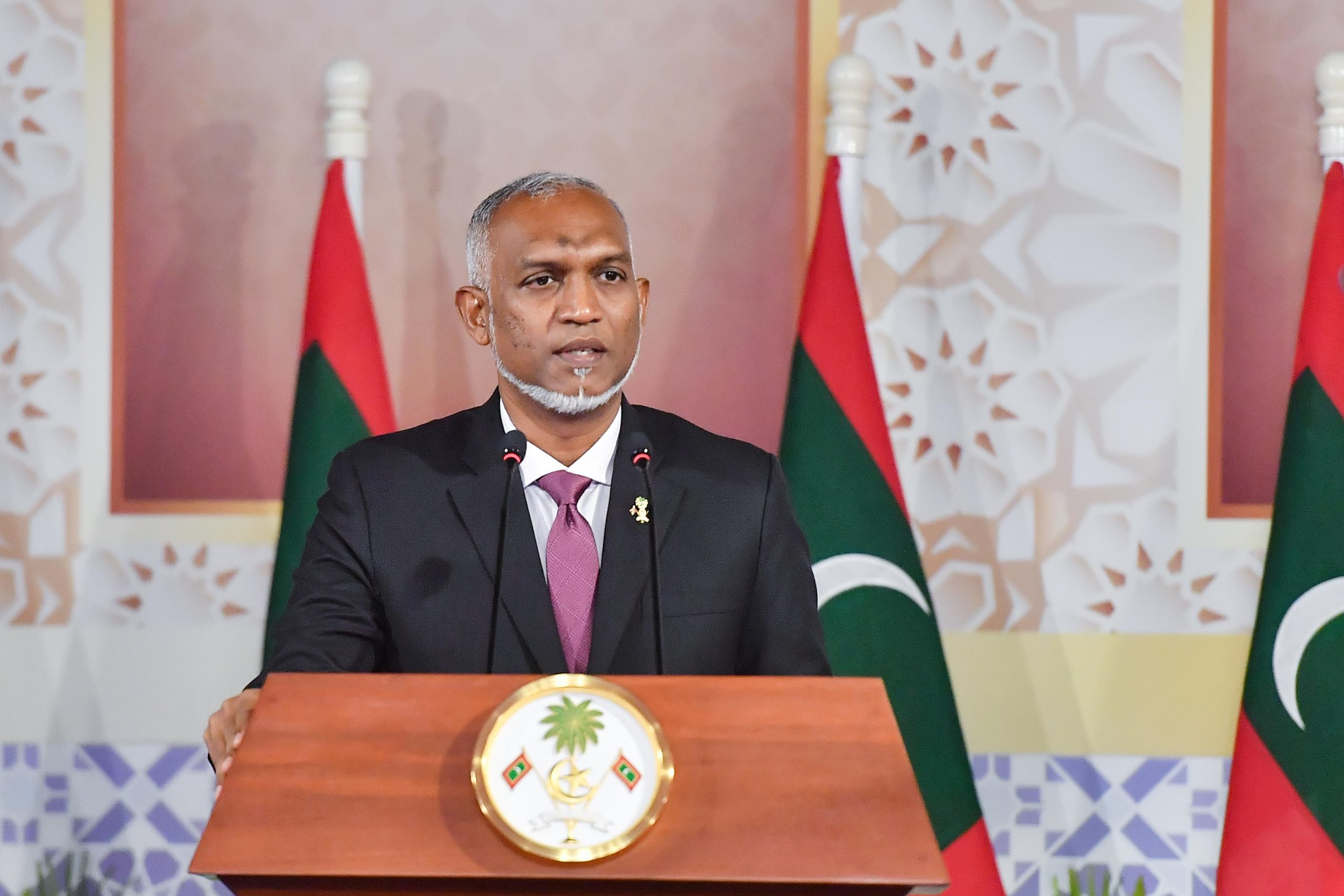

The Maldives has reaffirmed its framework governing Special Economic Zones (SEZs) through Presidential Decree No. 1/2026, issued by President Dr Mohamed Muizzu, restating the categories of economic activities permitted within SEZs and the minimum investment thresholds required for projects to qualify. The decree reflects the Government’s annual review of SEZ eligibility criteria, as required under the Special Economic Zones Act, and confirms the continuation of policies previously set out in Presidential Decree No. 1/2025. This reaffirmation provides clarity and consistency for international and domestic investors, reinforcing the Maldives’ commitment to maintaining a stable and predictable environment for large-scale, high-impact investments.
Under the Special Economic Zones Act, the President is required, in consultation with the Board of Investments, to specify each year the types of economic activities allowed within SEZs and the minimum capital investment applicable to each category. The law further mandates that this determination be reviewed before February and announced through a formal presidential decree. The re-publication of these provisions in the Government Gazette for 2026 demonstrates the administration’s adherence to statutory obligations and its emphasis on transparent, rules-based economic governance.
The decree establishes two key investment thresholds. Strategic investments are required to involve a minimum capital commitment of USD 100 million, while sustainable township development projects must meet a higher threshold of USD 500 million. For township developments, the decree specifies that the full minimum investment must be allocated exclusively towards sustainable township components, underscoring the Government’s focus on integrated, environmentally responsible, and future-ready urban development models.
Nine categories of strategic economic activity are approved under the USD 100 million threshold. These include export-oriented manufacturing; transhipment and international logistics services; ports and airports; higher education institutions and specialised hospitals; world-class research and development facilities; ICT parks; international financial services and trade centres; renewable energy projects; food security initiatives; gas, oil and mineral exploration; and activities that introduce technologies not currently available in the Maldives. Collectively, these sectors align with the country’s long-term development priorities, particularly in diversifying the economy, enhancing resilience, and strengthening the Maldives’ position within global value chains.
Beyond regulatory continuity, the reaffirmed SEZ framework is expected to further support the Maldives’ high-end investment ecosystem, including large-scale resort and integrated destination developments that combine hospitality, infrastructure, renewable energy, and advanced services within sustainable township models. Such projects have the potential to elevate the country’s tourism offering, attract world-class brands, generate skilled employment, and stimulate linkages with local enterprises, while preserving the natural environment that underpins the Maldives’ global reputation as a premier destination.
By maintaining the existing SEZ structure and investment thresholds, the Government has sent a clear signal of policy stability and long-term vision. The renewed decree positions the Maldives as an increasingly attractive destination for transformative investments, supporting sustainable economic growth and reinforcing confidence among global investors seeking opportunities in a well-regulated and forward-looking jurisdiction.
 advertisment



 advertisment