The St. Regis Maldives Vommuli Resort has announced a major achievement in its marine conservation efforts with the installation of its 300th coral frame around Vommuli Island, underscoring the resort’s long-term dedication to reef restoration and the preservation of marine biodiversity in the Dhaalu Atoll. This accomplishment reflects the steady expansion of a comprehensive coral restoration programme that forms a core pillar of the resort’s broader sustainability strategy and its commitment to safeguarding the fragile ecosystems that define the Maldivian archipelago.
The coral restoration initiative, led by resident marine biologist Hazel Araujo, has grown significantly since its launch in 2023 and now supports more than 16,800 coral fragments across four active restoration sites. These fragments represent over 13 coral species and have collectively contributed to the rehabilitation of more than 70 square metres of reef habitat surrounding the island. The programme has been carefully designed to combine scientific best practice with long-term monitoring, ensuring that restoration efforts deliver measurable ecological benefits while building resilience against environmental stressors.
A defining aspect of the programme’s recent progress is its transition from a purely active restoration model to one that increasingly supports natural regeneration. Coral colonies grown on the earliest frames, now nearing three years of age, have reached sufficient maturity to serve as donor colonies, enabling new fragments to be sourced directly from existing frames. This development strengthens the programme’s self-sufficiency and resilience, reducing dependence on external coral collection and creating a closed-loop system that mirrors natural reef growth processes.
The resort’s conservation work has also reached an important scientific milestone with the recording of its first coral spawning event. During the most recent spawning season, colonies of Acropora digitifera released gametes from the very first coral frame deployed at the resort. This event confirms that cultivated corals have achieved full reproductive maturity and are now capable of contributing to natural reef replenishment, a key indicator of long-term restoration success.
The effectiveness of the programme has been further demonstrated by its performance following the 2024 global coral bleaching event. Despite widespread impacts across many reef systems worldwide, the restoration sites at Vommuli Island showed strong recovery within one year, maintaining an average coral survival rate of 91 percent. Ongoing monitoring has also recorded increased marine life activity in and around the restored areas, including higher sightings of sharks, rays, octopus and sea turtles, highlighting the role of coral frames in enhancing habitat complexity and supporting a thriving marine ecosystem.
Each of the 300 coral frames has been adopted through the support of resort guests, online sponsors and resort teams, positioning the initiative as a collaborative conservation effort that connects visitors and staff directly with reef protection. The resort has also extended its impact beyond the island through community outreach programmes, engaging students from neighbouring islands in marine education sessions, hands-on workshops and creative conservation projects that foster awareness and stewardship among younger generations.
With the installation of the 300th coral frame, The St. Regis Maldives Vommuli Resort continues to demonstrate how luxury hospitality and environmental responsibility can be closely aligned. The achievement reinforces the resort’s commitment to long-term reef protection, scientific research and collaborative environmental stewardship, while contributing meaningfully to the Maldives’ global reputation as a leader in sustainable marine conservation.
 advertisment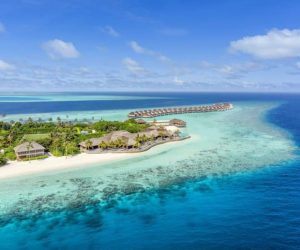



 advertisment