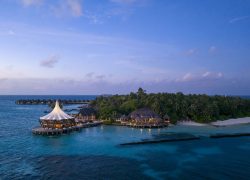
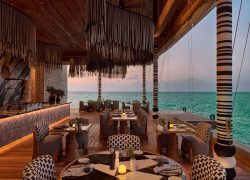
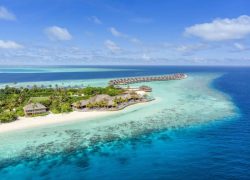
A sweeping new chapter in Maldivian tourism is taking shape over the turquoise lagoons of Noonu Atoll, where Project Ayla is advancing as a USD 750 million integrated development designed to elevate the country’s sustainable luxury offering for an international audience. Envisioned as a transformative destination that complements the Maldives’ globally celebrated “one island, one resort” concept, the project is being positioned as a future-forward model that pairs high-end guest experiences with long-term environmental responsibility, reinforcing the Maldives’ reputation as a premier Indian Ocean escape while responding to the evolving expectations of modern travellers.
Project Ayla is distinguished by its designation as the nation’s first Special Economic Zone (SEZ), a status that reflects the scale and strategic significance of the investment and underscores a strong vote of confidence in the Maldives as a destination for long-term, value-driven development. Set within lush island surroundings and expansive lagoon environments, the development is expected to introduce a refined portfolio of resort experiences, including luxury villas and marina facilities tailored for discerning global visitors seeking both privacy and convenience. The resort concept is designed to reflect the Maldives’ natural beauty while enhancing guest comfort through modern infrastructure and services that align with international standards.
At the core of Project Ayla is a clear sustainability mandate aimed at redefining how high-end island destinations can operate responsibly. The development is expected to generate at least 60 percent of its energy from renewable sources, supporting a lower-emissions operational approach while safeguarding the pristine marine and island ecosystems that make the Maldives unique. In parallel, the project is planned to pursue full self-sufficiency through advanced waste management systems and local food production, creating an integrated, circular model that reduces environmental impact and strengthens operational resilience an increasingly important benchmark for luxury hospitality in environmentally sensitive locations.
Beyond its resort and marina features, Project Ayla broadens the definition of integrated tourism development by incorporating public-value components that support the wider community and workforce. Plans include an international healthcare centre that is intended to enhance access to quality medical services for residents, guests, and project employees, reflecting the growing convergence of tourism, wellness, and destination readiness. The project also includes hospitality training hubs, reinforcing a skills-development pipeline that can strengthen service excellence across the sector and expand career pathways for Maldivians entering tourism and related industries.
Strengthening local supply chains is another central priority, with modern agri-cooperative facilities planned to support domestic production and reduce reliance on imported food. This approach is expected to enhance food security, encourage innovation in island-based agriculture, and create opportunities for local producers to participate in a high-value tourism ecosystem. By fostering local sourcing and production capacity, Project Ayla aligns tourism expansion with broader national development goals, supporting sustainable economic growth that extends beyond resort boundaries.
The project has already progressed with dredging works completed, signalling tangible momentum on the ground and reinforcing confidence in the delivery timeline. With a target completion date set for 2028, the government has highlighted Project Ayla as a major foreign investment initiative that will provide comprehensive services for residents and workers alike, reflecting a people-centered approach that prioritizes community wellbeing alongside commercial success. As the development advances toward its next phases, it is expected to generate thousands of jobs and contribute to stronger outcomes in education and healthcare, reinforcing the Maldives’ longer-term shift toward a more resilient, diversified, and sustainability-led economic model anchored by world-class tourism.
 advertisment


 advertisment