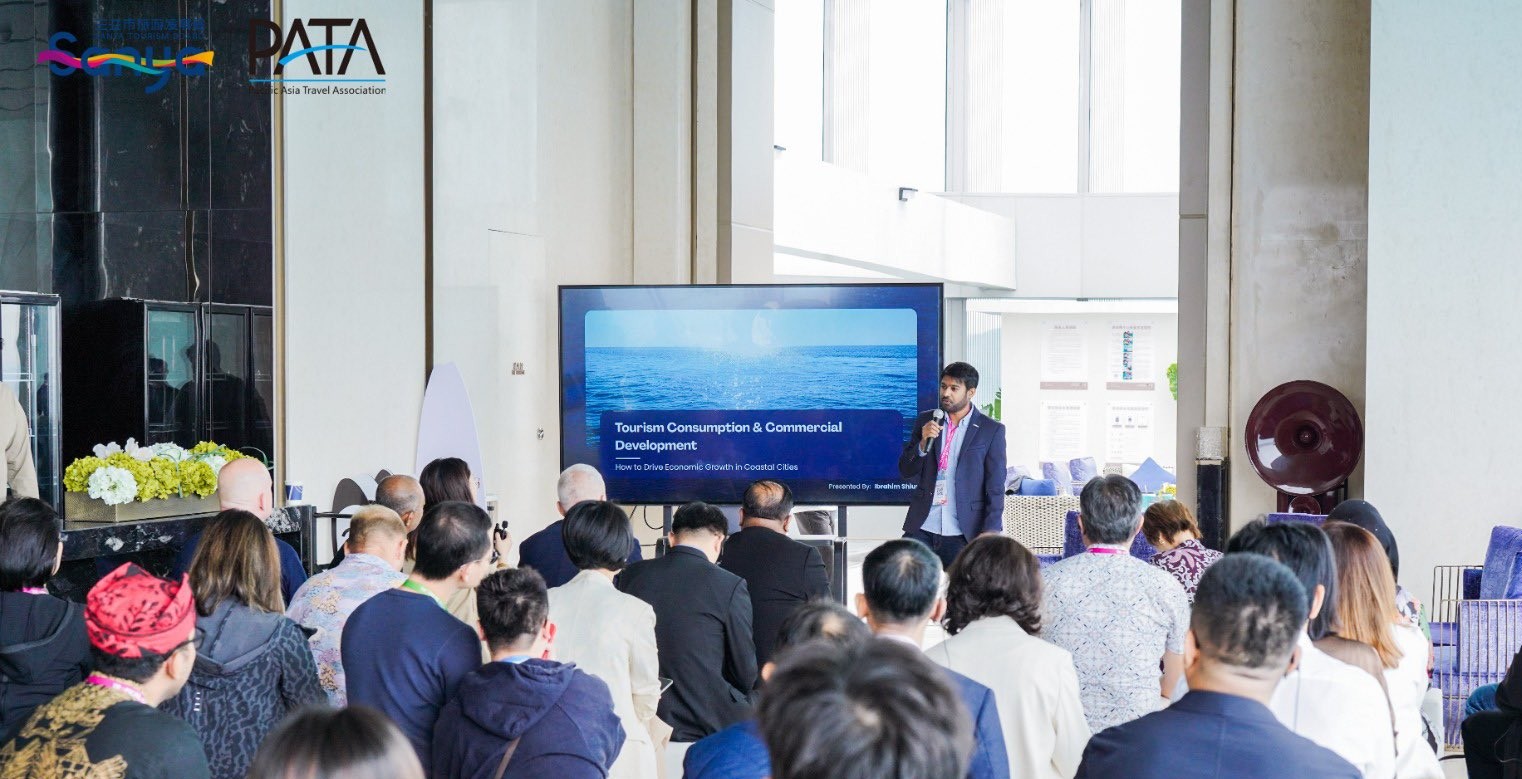

Visit Maldives Corporation (VMC) CEO and Managing Director Ibrahim Shiuree has highlighted the strength and resilience of the Maldives’ resort-based tourism model at the 2025 Tropical Coastal City Tourism Event in Sanya, held from 18 to 21 November 2025. The event, organised by the Sanya Tourism Board and supported by the Pacific Asia Travel Association (PATA), brought together global tourism leaders and industry professionals under the theme “Coastal Tourism: Symbiosis and Development of Nature and Culture.”
Addressing the forum in his capacity as a PATA Board Member representing the Maldives, Mr Shiuree drew on the country’s unique geography and decades of experience as a leading coastal tourism destination. He noted that with every island in the Maldives being coastal and heavily reliant on tourism, the nation has been compelled to integrate tourism planning, environmental management, and economic resilience into a single strategic framework. He stressed that these lessons are highly relevant to other coastal cities seeking sustainable long-term growth.
Mr Shiuree placed particular emphasis on the Maldives’ single-island resort model as a defining feature of the country’s success. He explained that each resort typically operates on its own island with dedicated infrastructure, transport links, utilities, and essential services designed to provide a self-contained, premium guest experience. This model allows resort operators to manage guest flows, protect surrounding marine and coastal environments, and maintain high service standards while preserving privacy and exclusivity. At the same time, clearly defined tourism zoning helps authorities and investors ensure that resort development is aligned with environmental thresholds and long-term carrying capacity.
He also underlined that the growth of community-based guesthouse tourism has complemented the resort sector by creating additional opportunities for local island economies. According to Mr Shiuree, a diversified product mix, ranging from high-end resorts to locally run guesthouses, strengthens the Maldives’ positioning in global markets while feeding investment into transport networks, public services, and supporting infrastructure that benefit both residents and visitors. The resort industry, in particular, generates significant demand for high-quality logistics, renewable energy solutions, coastal engineering, and workforce development, contributing directly to employment and foreign exchange earnings.
Sustainability and climate resilience were central themes of his address. Mr Shiuree highlighted the Maldives’ ongoing investments in coastal protection and elevated reclamation to safeguard both resort properties and inhabited islands against erosion and rising sea levels. He noted that strict environmental standards for tourism development, including resort construction and operations, are now an essential component of investment planning. By embedding environmental safeguards into resort design, waste management, and energy use, the Maldives aims to protect its core tourism asset, its fragile coastal and marine environment while preserving investor confidence.
Mr Shiuree stressed that for coastal destinations, the resilience of resorts and tourism infrastructure is directly tied to economic stability. Resorts in the Maldives are increasingly required to consider climate risks in their long-term business models, from shore protection to emergency preparedness and diversification of supply chains. This trend, he suggested, will accelerate across the global coastal tourism sector as investors seek destinations that can demonstrate both adaptability and continuity of operations.
He concluded by stating that the future of coastal destinations, including resort-dependent economies, will be shaped by strategic planning, inclusive growth, and systematic resilience building. The event’s thematic tracks, Sustainable Tourism, High-End Tourism, and Indigenous Culture offered delegates a platform to examine how destinations like Sanya can expand coastal tourism while learning from models such as the Maldivian resort industry. Through such exchanges, Mr Shiuree noted, emerging and established coastal hubs can jointly refine their tourism strategies to deliver long-term value for investors, communities, and the environment.
 advertisment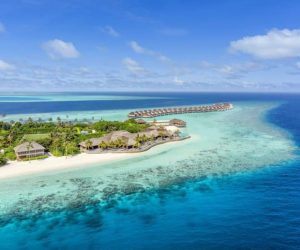


 advertisment