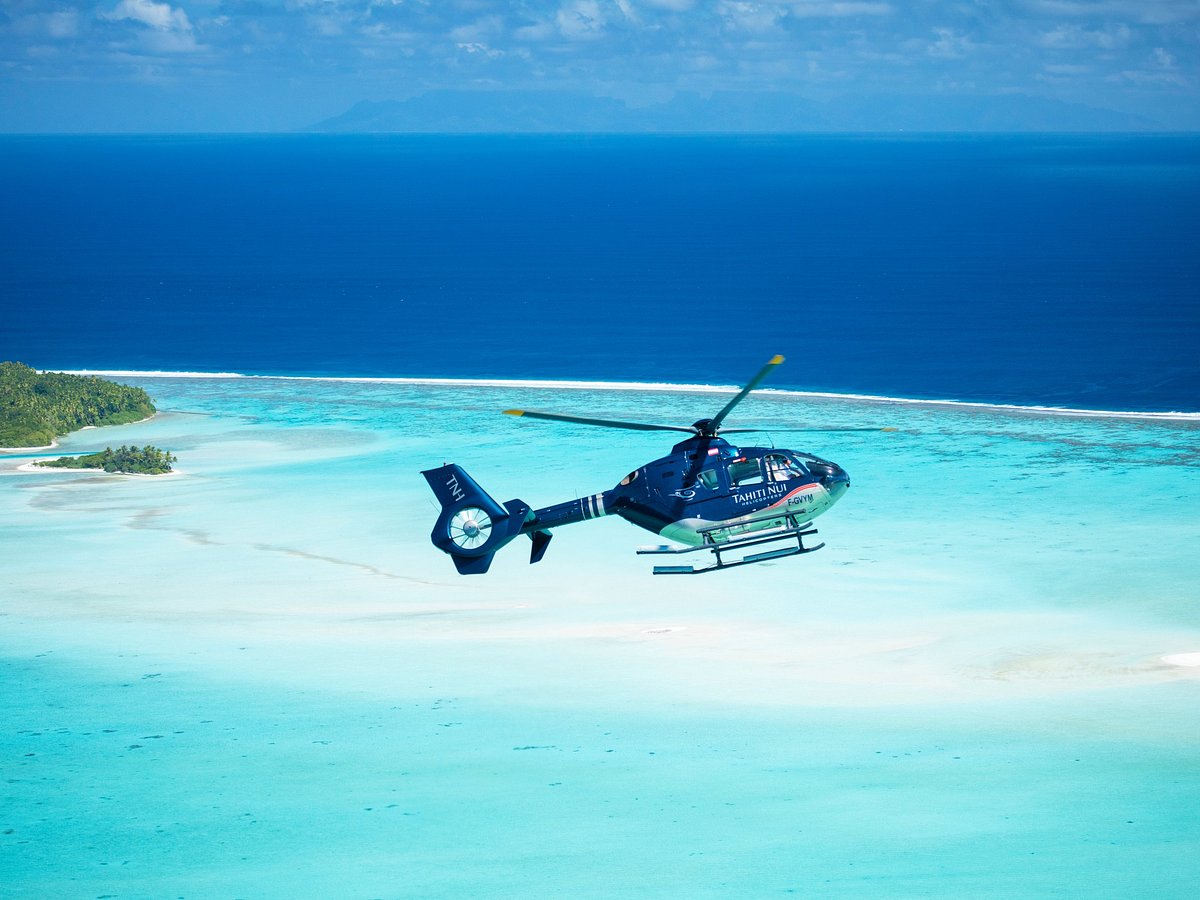

The Maldives is preparing to reintroduce helicopter services under a regulatory and operational framework aligned with recommendations made following an assessment by the United Kingdom’s Civil Aviation Authority, with emergency medical evacuation services set to receive priority during the initial phase of operations.
Minister of Tourism and Civil Aviation Mohamed Ameen said the Government is taking a carefully structured approach to restoring helicopter operations after an interruption of approximately 25 years, with safety, regulatory preparedness and institutional capacity forming the foundation of the programme.
The Government has opened the bidding process twice to identify qualified operators capable of providing helicopter services for both commercial operations and urgent patient transportation. The most recent expression of interest process remained open until 20 April, and the Minister said preparations following the second solicitation have progressed, with key arrangements expected to be completed within the coming fortnight.
Speaking at a public forum, Minister Ameen explained that restarting helicopter operations requires substantially more preparation than appointing an operator. As the Maldives has not maintained an active helicopter sector for more than two decades, the Government is rebuilding the necessary regulatory, technical and operational systems to ensure that services are introduced safely and sustainably.
The Minister noted that previous helicopter operations in the Maldives were discontinued following serious incidents around 20 to 25 years ago. Against this background, the Government has placed particular emphasis on comprehensive safety procedures and international regulatory guidance before permitting services to resume.
Accordingly, helicopter operations will be launched in line with recommendations outlined through the UK Civil Aviation Authority assessment, alongside applicable Maldivian civil aviation requirements. The approach is intended to ensure that operators, aircraft, personnel and supporting systems meet appropriate safety and operational standards before commercial services commence.
A major priority of the programme is to strengthen emergency medical transportation across the Maldives, where the country’s geographically dispersed island communities can require rapid air connectivity for time-sensitive medical cases. Helicopter services are expected to provide an additional option for transporting patients between islands and medical facilities, supporting faster access to specialised care where required.
Emergency patient transportation is already being facilitated under the direction of President Dr Mohamed Muizzu, and the planned helicopter service is expected to further formalise and strengthen the national medical evacuation framework. The introduction of dedicated helicopter capacity is particularly significant for a nation spread across numerous islands and atolls, where distance and sea conditions can affect conventional transport options.
Under the regulatory framework established by the Ministry responsible for civil aviation, selected helicopter operators will also be required to contribute directly to public emergency services. During their first three years of operation, operators must provide 50 hours of medical evacuation flights each month free of charge.
The Government will separately compensate operators for search and rescue missions, allowing helicopter capacity to support wider national emergency response requirements in addition to medical transportation and commercial aviation activity.
Licences issued under the proposed framework will have a maximum validity period of 10 years, providing operators with a defined period for investment and service development while remaining subject to regulatory oversight and compliance requirements.
The Government is targeting the official commencement of helicopter services no later than 1 November 2027. Authorities are working to ensure that the sector is re-established with the necessary technical expertise, operational safeguards and regulatory controls following the long interruption in domestic helicopter activity.
The planned introduction of helicopter services is expected to strengthen the Maldives’ broader aviation network while expanding emergency response capabilities across the archipelago. For island communities, the service is also expected to improve access to rapid medical transportation and provide an additional layer of connectivity within the country’s developing air transport system.
 advertisment




 advertisment