
State revenue generated through the Maldives’ green tax has reached USD 97.3 million so far in 2026, reflecting continued contributions from the country’s expanding tourism industry towards environmental protection and sustainable infrastructure development.
According to the latest Weekly Fiscal Development Report published by the Ministry of Finance and Public Enterprises, green tax collections up to 24 September 2026 recorded a 0.7 per cent increase compared with the corresponding period in 2025. The latest figures demonstrate the importance of tourism-related fiscal revenues in supporting the Government’s wider development agenda, particularly across island communities where investment in resilient public infrastructure remains a national priority.
The Maldives introduced the green tax regime in October 2016 to establish a dedicated revenue mechanism for environmental protection and sustainable development initiatives. Revenue collected through the tax is channelled towards important infrastructure and environmental projects across the archipelago, including the development of water supply networks, sewerage systems, coastal protection measures and broader environmental management programmes.
The tax structure reflects the different segments of the Maldives tourism industry. Foreign visitors staying at tourist resorts, integrated tourist hotels and safari vessels are currently charged a green tax of USD 12 per person per day. Tourists staying at local island guesthouses are charged USD 6 per person per day, while children below two years of age are exempt from the tax.
Resorts continue to form a major component of the Maldives’ tourism economy and play an important role in supporting national revenue generation. With 180 resort properties currently in operation, the resort sector represents one of the most established and internationally recognised segments of the country’s tourism industry. These properties range from internationally operated luxury destinations to locally developed hospitality brands, collectively strengthening the Maldives’ position as one of the world’s leading island tourism destinations.
The resort industry also supports a broad network of economic activity extending beyond accommodation. Resort operations generate demand across transportation, construction, fisheries, agriculture, logistics, telecommunications, energy, professional services and local supply chains, while providing employment opportunities for Maldivians across a wide range of hospitality and technical professions. Green tax contributions from the sector therefore complement the wider economic value generated by resort tourism while directly supporting national environmental and infrastructure priorities.
The tourism tax base has also become increasingly diversified. Current operational figures show that the green tax applies across 180 resorts, 16 registered hotels, 927 island guesthouses and 165 liveaboard safari vessels operating throughout the Maldives. The substantial number of guesthouses further reflects the growth of community-based tourism and its increasing contribution to economic activity across inhabited islands.
The continued growth of local tourism businesses alongside the established resort industry has broadened the geographical distribution of tourism income and strengthened opportunities for island communities. Revenue generated through the green tax provides an additional mechanism through which the benefits of tourism can support infrastructure improvements and environmental resilience across the country.
For the Maldives, where communities, economic activity and tourism infrastructure are closely connected to the marine and coastal environment, continued investment in environmental protection remains particularly important. Coastal erosion, freshwater security, waste management and sanitation infrastructure are among the areas that require sustained investment as the country develops its islands and tourism economy.
The Government’s allocation of green tax revenue towards water, sewerage, coastal protection and environmental projects therefore reinforces the connection between tourism growth and long-term national sustainability. Such investments contribute not only to improving living standards for island communities but also to maintaining the natural environment and infrastructure standards that underpin the Maldives’ international tourism reputation.
With green tax revenue reaching USD 97.3 million before the end of September, the latest fiscal figures highlight the continued strength of tourism-related revenue streams and the sector’s role in supporting the Government’s development priorities. As the Maldives continues to expand its resort, hotel, guesthouse and liveaboard tourism offerings, green tax collections are expected to remain an important source of financing for environmental resilience and essential infrastructure across the island nation.
 advertisment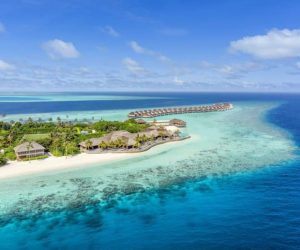



 advertisment