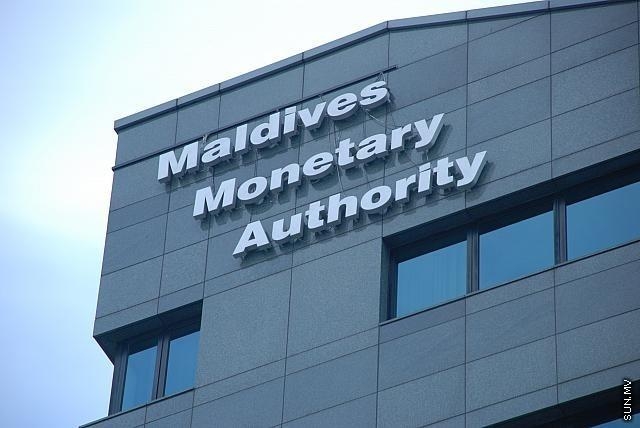

The Maldives Monetary Authority (MMA) has introduced higher minimum capital requirements for licensed payment service providers as part of ongoing efforts to strengthen the resilience, reliability and long-term stability of the country’s rapidly developing financial services sector.
The revised capital requirements were introduced through amendments to the Payment Services Regulation published in the Government Gazette. The amendments establish significantly higher financial thresholds for institutions providing electronic money, payment acquiring, remittance, payment initiation and account information services in the Maldives.
Under the amended regulation, payment service providers licensed to offer electronic money issuing services, payment transaction acquiring services and remittance services are now required to maintain minimum unimpaired capital of MVR 2 million at all times. The requirement represents a substantial increase from the previous thresholds and is intended to ensure that licensed operators have a stronger financial foundation to support their activities and meet operational obligations.
For electronic money issuing services, the minimum capital requirement has been increased from MVR 500,000 to MVR 2 million. Providers offering payment transaction acquiring services will also be required to maintain MVR 2 million in unimpaired capital, compared with the previous requirement of MVR 200,000. The capital requirement for remittance service providers has similarly increased from MVR 200,000 to MVR 2 million.
The regulation also introduces higher requirements for providers operating in technology-driven segments of the payment industry. Companies licensed to provide payment initiation services must now maintain minimum unimpaired capital of MVR 1 million, an increase from the previous MVR 100,000 requirement. The same threshold applies to account information service providers, whose minimum capital requirement has also increased from MVR 100,000 to MVR 1 million.
According to the MMA, the strengthened capital framework is intended to ensure that licensed payment institutions have sufficient financial capacity to absorb potential losses while maintaining safe, secure and uninterrupted services to customers. Stronger capital positions are also expected to improve the ability of service providers to manage operational risks, invest in appropriate systems and maintain continuity as the use of digital financial services continues to expand across the country.
The amendments further seek to encourage financial soundness and responsible conduct among institutions operating within the payment services industry. By requiring providers to maintain stronger financial resources, the regulatory framework is expected to reduce vulnerabilities within the sector and provide additional protection for consumers and businesses relying on digital payments, remittances and other financial technology services.
The development comes as the Maldives continues to modernise its financial infrastructure and promote wider adoption of secure and efficient digital payment solutions. Electronic transactions have become increasingly important to households, businesses and the tourism-driven economy, making the reliability of payment systems an important component of the country’s broader economic and financial development.
A financially resilient payment services industry is particularly important for the Maldives, where businesses and consumers increasingly depend on digital platforms for domestic transactions, international payments and remittance services. Stronger regulatory standards can help ensure that payment service providers are adequately prepared to respond to operational challenges while maintaining confidence among customers and commercial partners.
The revised requirements also complement the Government’s broader efforts to strengthen the financial sector, improve regulatory standards and support a modern, technology-enabled economy. Greater financial discipline among payment service providers is expected to contribute to a more competitive and sustainable financial ecosystem while creating stronger foundations for future innovation in digital banking and financial technology.
As the Maldives continues to expand its digital economy and enhance access to modern financial services, the updated capital requirements are expected to support a more secure and dependable payment environment. The strengthened regulatory framework is also anticipated to reinforce public confidence in licensed financial institutions and contribute to the continued stability and development of the country’s financial system.
 advertisment




 advertisment