

The Maldivian economy is navigating heightened external pressures as rising international commodity prices, freight costs and foreign-exchange volatility increase operating expenses across several key sectors. While the economy continues to demonstrate signs of modest growth, businesses have highlighted that the current increase in the cost of imported goods is largely being driven by global developments beyond the direct control of either the Government or the domestic private sector.
These challenges were discussed at the “Two Sides of the Economy” forum organised by Public Service Media (PSM) in collaboration with the Ministry of Economic Development, Transport and Trade, where leading representatives from major Maldivian businesses outlined the scale of the pressures affecting international trade, logistics, tourism, construction and consumer markets.
State Trading Organization Managing Director Shimad Ibrahim said the present economic environment has created exceptional challenges for businesses operating in the Maldives. Drawing on his experience managing through several periods of international economic disruption, he said the current situation has generated greater economic pressure than previous crises including the 2008 global financial crisis, the Russia-Ukraine conflict and the post-COVID economic period.
“In my official capacity I have worked through four crises. Comparing past conditions with the current state, I have not seen a period where the economic impact was greater than this,” Shimad said.
The discussions highlighted that the Maldives, as a geographically dispersed island economy heavily dependent on international trade, remains particularly exposed to fluctuations in global transportation costs and supply chains. Current pressures include the country’s debt repayment commitments, significantly higher shipping expenses from major import markets and longer turnaround periods at international ports resulting from changes to cargo-loading and shipping operations.
The United Arab Emirates remains the Maldives’ second-largest source of imports and an important regional logistics hub for Maldivian businesses. Industry representatives said freight charges from UAE ports have increased substantially, placing additional pressure on importers and ultimately raising the landed cost of goods entering the country.
Lily International Managing Director Amir Mansoor said freight charges from the UAE have increased approximately fivefold. Shipping costs for frozen cargo arriving from China have also doubled, with the cost of transporting a container rising from around USD 4,000 to approximately USD 8,000.
The additional expenses are being felt throughout the economy because most consumer products, food supplies, construction materials, machinery and commercial equipment used in the Maldives are imported. Any increase in freight, insurance, logistics or international commodity prices therefore has a direct impact on businesses operating across the archipelago.
Tourism, which remains the principal engine of the Maldivian economy and one of the country’s largest sources of foreign-currency earnings, has also faced temporary external pressures associated with disruptions affecting air connectivity through parts of the Middle East. The region represents an important aviation corridor connecting the Maldives with major tourism markets, and around 20 percent of tourist arrivals are linked to markets affected by Middle Eastern airspace disruptions.
Despite these temporary challenges, the Maldives’ globally recognised tourism industry continues to provide a strong foundation for economic resilience. The country’s extensive portfolio of luxury resorts, private-island properties, guesthouses and international hospitality brands continues to attract travellers from diverse markets, helping sustain foreign-exchange earnings, employment and demand for supporting industries.
Maldivian resorts are particularly important to the wider economy because their operations support extensive supply chains covering food imports, transport, construction, fisheries, agriculture, maintenance services, logistics and local employment. Maintaining strong tourism performance therefore has broader economic benefits extending well beyond the hospitality sector.
Industry representatives also highlighted increasing costs within the construction sector. Freight, shipping and operating expenses associated with construction imports have approximately doubled in some areas, while Free on Board prices have increased by around 30 percent. Logistics expenses have risen by an estimated 30 to 40 percent, adding pressure to developers, contractors and suppliers managing ongoing projects.
Leo Trading representative Abdulla Sawad said the interconnected nature of the economy meant that increases in international costs were being transmitted across multiple sectors.
“The entire ecosystem is interconnected. As everything has become more expensive, the average increase is between 35 percent and 40 percent when factoring in the required U.S. dollars and related expenses,” Sawad said.
Against this international backdrop, the Government has continued implementing measures intended to protect households and businesses from abrupt increases in essential commodity prices. Through STO, the state continues to play an important stabilising role in the domestic market by absorbing part of the higher cost associated with importing selected essential goods.
The Government has clarified that its price-stabilisation approach is designed to minimise sudden and excessive market fluctuations rather than artificially maintain prices at levels that prevailed before the latest international cost increases. This mechanism provides additional protection to consumers while allowing the domestic market to adjust more gradually to changing international conditions.
The policy is particularly significant for an import-dependent economy such as the Maldives, where external developments including energy prices, shipping disruptions, exchange-rate conditions and geopolitical uncertainty can quickly affect the cost of everyday goods. Government intervention through STO provides an important buffer against some of these international pressures while helping maintain the availability of essential commodities throughout the country.
There are also encouraging signs emerging from the tourism sector, supporting expectations for improved economic activity and stronger foreign-currency inflows. Continued growth and diversification of visitor markets, together with the expansion of the country’s tourism infrastructure, remain central to strengthening the Maldives’ external position and supporting wider economic activity.
The Government is simultaneously advancing major infrastructure initiatives aimed at addressing some of the structural logistics constraints that have historically contributed to higher import costs. Plans to relocate the Malé Commercial Harbour to Thilafushi are progressing as part of efforts to modernise national cargo-handling capacity and improve the efficiency of the country’s supply chain.
The development is expected to provide greater operational space, improve cargo-handling efficiency and support more streamlined movement of imported goods. Over the longer term, improved port infrastructure could help reduce logistical bottlenecks and strengthen the Maldives’ ability to respond to disruptions affecting international shipping.
Strengthening domestic supply-chain resilience, improving logistics infrastructure and maintaining stability in the essential-goods market are expected to remain important components of the Government’s broader economic strategy. These efforts complement policies aimed at supporting tourism, expanding economic activity and strengthening the country’s capacity to manage external shocks.
While businesses continue to face significant international cost pressures, the combination of government price-stabilisation measures, infrastructure development and strengthening tourism activity provides a pathway toward greater economic resilience. With global conditions continuing to evolve, the Maldives is focusing on strengthening its internal economic foundations while protecting consumers, supporting businesses and maintaining confidence in the country’s long-term growth prospects.
 advertisment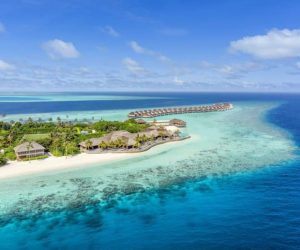



 advertisment