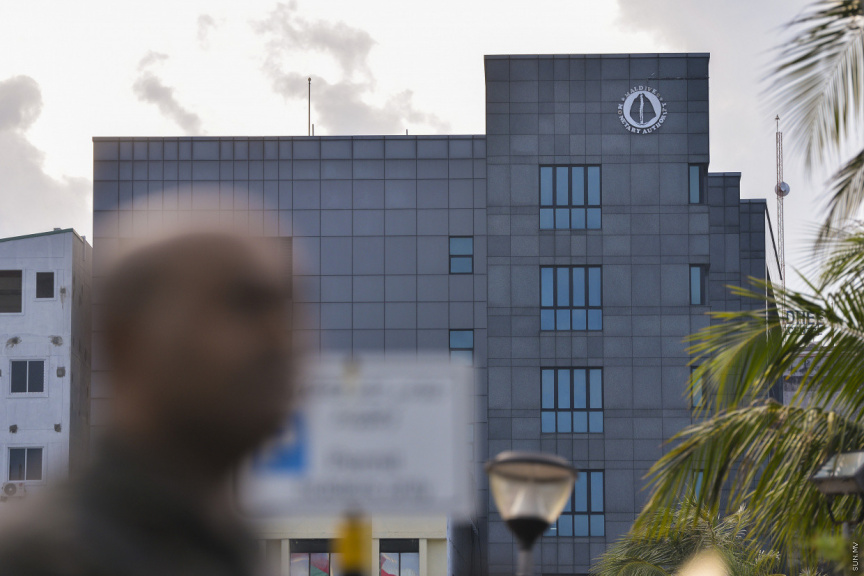

The Maldives Monetary Authority (MMA) has approved additional monetary policy measures aimed at reducing excess liquidity circulating within the domestic economy and strengthening overall monetary stability, as the Government continues efforts to reinforce fiscal discipline and maintain a more sustainable economic environment.
The central bank announced that the measures were finalised following approval by its Board of Directors and will focus on two key areas of monetary policy. Commercial banks will be required to increase the minimum reserves maintained with the MMA, while the authority will also expand its ongoing open market operations as part of efforts to absorb excess liquidity from the banking system.
Open market operations are an important monetary policy mechanism through which the central bank withdraws excess funds circulating within the financial system. By absorbing surplus liquidity, the MMA can better manage monetary conditions, moderate excessive demand pressures and contribute towards maintaining stability in the domestic financial and foreign exchange markets.
Under the latest decision, the MMA will further strengthen its open market operations by 10 basis points. The measure complements the higher minimum reserve requirement for commercial banks and forms part of a broader approach to managing the volume of Maldivian Rufiyaa circulating throughout the banking system.
The MMA reported that significant progress has already been achieved through the resumption of open market operations. Between July last year and July this year, an average of USD 175.10 million equivalent in excess Maldivian Rufiyaa liquidity was withdrawn from the banking system through these operations.
As a result of the central bank’s interventions, short-term liquidity within the banking sector has declined substantially, falling from USD 421.53 million equivalent to USD 239.95 million equivalent. The reduction demonstrates the impact of the monetary measures already undertaken to bring excess liquidity under greater control and improve the effectiveness of monetary management.
Managing liquidity has become an important component of the Government’s broader economic stabilisation efforts, particularly as excessive amounts of domestic currency circulating in the economy can increase demand for foreign currency, including the US dollar. In an import-dependent economy such as the Maldives, maintaining an appropriate balance between Rufiyaa liquidity and foreign currency availability is particularly important for safeguarding macroeconomic stability, supporting businesses and strengthening confidence in the financial system.
According to analyses by the central bank, the significant accumulation of liquidity currently being addressed is linked largely to monetary financing undertaken during the previous administration after the suspension of provisions under the National Fiscal Responsibility Act.
MMA statistics indicate that approximately USD 531.78 million equivalent was created through monetary financing over a three-year period. The previous administration maintained that monetary financing during 2020 and 2021 was necessary to respond to the severe economic consequences of the Covid-19 pandemic, which had significantly affected government revenue and economic activity.
However, monetary financing subsequently continued through 2022 and 2023, contributing to an expansion in Maldivian Rufiyaa liquidity within the economy. The increased availability of Rufiyaa also contributed to stronger demand for US dollars, placing additional pressure on the domestic foreign exchange environment.
The latest monetary interventions therefore represent part of the authorities’ continuing efforts to address accumulated economic pressures while gradually strengthening the foundations of the Maldivian financial system. By increasing reserve requirements and expanding liquidity-absorbing operations, the MMA is seeking to maintain tighter control over money supply conditions and support a more balanced monetary environment.
The measures also complement the Government’s wider economic reform agenda, which has placed greater emphasis on fiscal responsibility, debt management and measures intended to strengthen the country’s financial resilience. Effective coordination between fiscal and monetary policies remains particularly important for the Maldives as the country manages external financing requirements, foreign currency demand and the broader challenges associated with maintaining sustainable public finances.
Continued reductions in excess banking-system liquidity are expected to improve the central bank’s ability to manage monetary conditions while supporting efforts to stabilise the foreign exchange market. The authorities’ approach reflects an increased focus on addressing underlying monetary pressures and establishing conditions that can support sustainable economic growth, greater financial confidence and long-term economic stability in the Maldives.
 advertisment




 advertisment