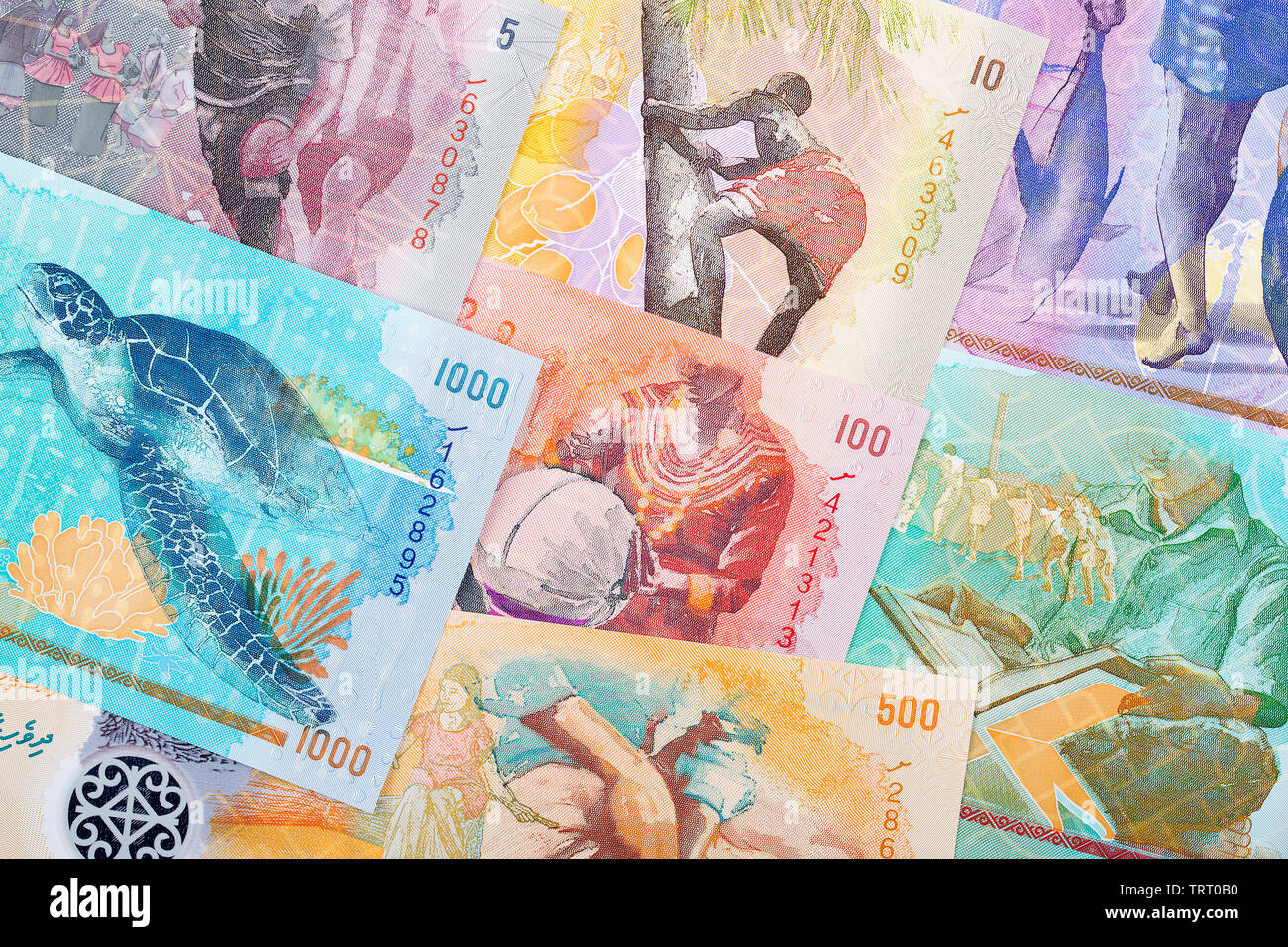

The Maldives recorded USD 1.56 billion in state revenue and grants as of 23 July 2026, representing 60 percent of the USD 2.62 billion projected for the full fiscal year, according to figures released by the Ministry of Finance and Public Enterprises.
The latest fiscal performance reflects a 10.9 percent increase compared with the corresponding period of 2025, supported primarily by sustained growth in tax collections. The improvement highlights the Government’s continued efforts to strengthen domestic revenue mobilisation, improve fiscal administration and support the country’s broader economic development priorities.
Tax revenue reached USD 1.19 billion during the period, marking an increase of 12.1 percent from the previous year. Goods and Services Tax remained the largest source of tax income, contributing USD 648.51 million and recording year-on-year growth of 9.7 percent.
Both components of the Goods and Services Tax demonstrated positive performance. General Goods and Services Tax collections increased by 13.6 percent to USD 201.04 million, while Tourism Goods and Services Tax revenue rose by 8 percent to USD 447.47 million. The increase in tourism-related tax receipts reflects the continued strength and resilience of the Maldives’ tourism industry, which remains a central pillar of national revenue generation, foreign exchange earnings, investment and employment.
The growth in Tourism Goods and Services Tax also indicates healthy economic activity across the country’s resort sector. Maldivian resorts continue to attract travellers from major international markets through high-quality accommodation, distinctive island experiences, premium hospitality services and continued investment in guest facilities. The sector’s contribution to tax revenue demonstrates its wider importance to the national economy, including its support for local employment, transportation, food supply chains, construction, professional services and community-based businesses.
Government expenditure, including recurrent and capital spending, reached USD 1.65 billion as of 23 July, representing an increase of 19.7 percent compared with the same period last year. The higher expenditure reflects increased allocations to essential public services, employee remuneration, healthcare protection and economic support measures.
Spending on civil service salaries and wages increased by 9.5 percent to USD 551.23 million, while expenditure under the national health insurance scheme, Aasandha, rose by 14.8 percent to USD 77.82 million. These allocations reflect the Government’s commitment to sustaining public sector operations and ensuring continued access to healthcare services for citizens.
Subsidy expenditure increased by 79 percent to USD 207.52 million. The rise was attributed largely to higher global oil and commodity prices associated with the continuing conflict in the Middle East. The Government’s continued provision of subsidies has helped reduce the immediate impact of international price increases on households and businesses while supporting economic stability during a period of heightened global uncertainty.
Despite increased expenditure, the fiscal position recorded a primary surplus of USD 97.28 million, demonstrating that government revenue remained higher than expenditure before interest payments were taken into account. The overall fiscal balance stood at a deficit of USD 90.79 million.
The latest figures indicate positive progress in revenue collection and reflect the Government’s efforts to strengthen fiscal management while maintaining essential services, social protection programmes and economic support. Continued growth in tax receipts, particularly from the tourism sector, is expected to remain important to sustaining national development and reinforcing the Maldives’ economic resilience.
 advertisment




 advertisment