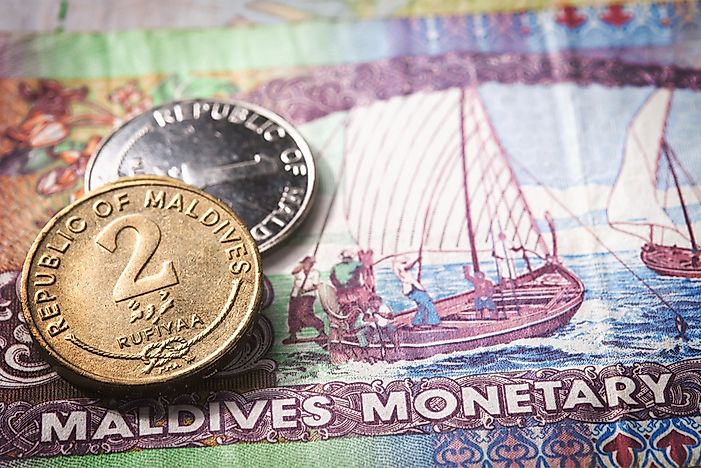

The Maldives recorded a fiscal deficit of MVR 1.9 billion as of 11 December 2025, according to the Ministry of Finance and Planning’s latest Weekly Fiscal Developments report, as higher spending on subsidies and financing costs continued to outpace otherwise solid revenue gains. Cumulative revenue and grants reached MVR 36.0 billion for the year, underscoring the resilience of the Maldivian economy and the continued strength of its core tourism sector, which remains the backbone of state finances.
Tax receipts once again formed the bulk of government income, with total tax revenues standing at MVR 26.9 billion. Tourism Goods and Services Tax (TGST) remained the single largest contributor, highlighting how activity across the country’s resort islands continues to drive fiscal performance. From ultra-luxury properties to family-focused resorts, steady guest arrivals and strong spending on accommodation, dining, wellness, and experiences are channeled into TGST, providing a critical and relatively stable revenue stream. Non-tax revenues amounted to MVR 8.8 billion, adding further support to the fiscal position through fees, charges, and other state income that are also closely linked to tourism and related services.
On the expenditure side, cumulative spending totalled MVR 37.9 billion, with recurrent expenditure accounting for the largest share. Salaries, wages, and pensions reached MVR 13.4 billion, reflecting the scale of the public workforce that supports core services across the islands, including tourism-related infrastructure and regulatory functions. Administrative and operational expenses stood at MVR 19.2 billion, while subsidy spending rose to MVR 3.4 billion. The uptick in subsidies over the latest reporting week was a key factor in the widening deficit, as the government continues efforts to shield households and businesses from cost pressures, including those that affect resort supply chains and logistics.
Capital expenditure remained relatively subdued at MVR 5.4 billion, notably below approved allocations. Within this, spending on infrastructure assets such as roads, bridges, airports, and other public works reached MVR 4.8 billion, indicating slower than anticipated execution of major development projects as the year nears its end. For the tourism industry and resort operators, the pace of infrastructure investment is closely watched, as new or upgraded airports, jetties, utilities, and environmental protection projects directly influence guest experience, connectivity between atolls, and the long-term sustainability of resort operations.
Despite the recorded fiscal deficit, the government posted a primary surplus of MVR 2.5 billion, which means revenues exceeded expenditures when financing and interest costs are excluded. This primary surplus is particularly relevant for international partners and investors assessing the Maldives’ underlying fiscal strength, as it suggests that core operations remain broadly sustainable. However, financing and interest payments amounted to MVR 4.4 billion, continuing to exert pressure on overall fiscal balances and reinforcing the importance of careful debt and liquidity management.
The report further highlights ongoing transfers to the Sovereign Development Fund, which reached MVR 2.4 billion, demonstrating continued commitment to building buffers for future obligations and strategic investments. Loan repayments totalled MVR 5.1 billion, while public sector investment spending stood at MVR 7.3 billion. Transport-related projects accounted for the largest share of this investment, followed by environmental protection and housing-related expenditure. These areas are particularly significant for the resort industry, as enhanced transport networks improve guest access to remote islands, environmental projects support the health of reefs and marine ecosystems that underpin the Maldives’ global appeal, and housing investments contribute to better living standards for resort and service-sector staff.
Taken together, the latest fiscal figures point to a picture of steady revenue performance anchored by a vibrant, resort-driven tourism economy, alongside structural spending pressures tied to subsidies and financing costs. While capital expenditure is lagging behind projections, the country’s portfolio of high-end and mid-market resorts continues to position the Maldives as a premier destination for global travellers seeking exclusive island experiences. As policymakers navigate the final weeks of the year, the interplay between prudent fiscal management, continued support for vulnerable groups, and sustained investment in infrastructure and environmental protection will remain central to safeguarding the long-term competitiveness and appeal of the Maldives for international visitors and investors alike
 advertisment



 advertisment