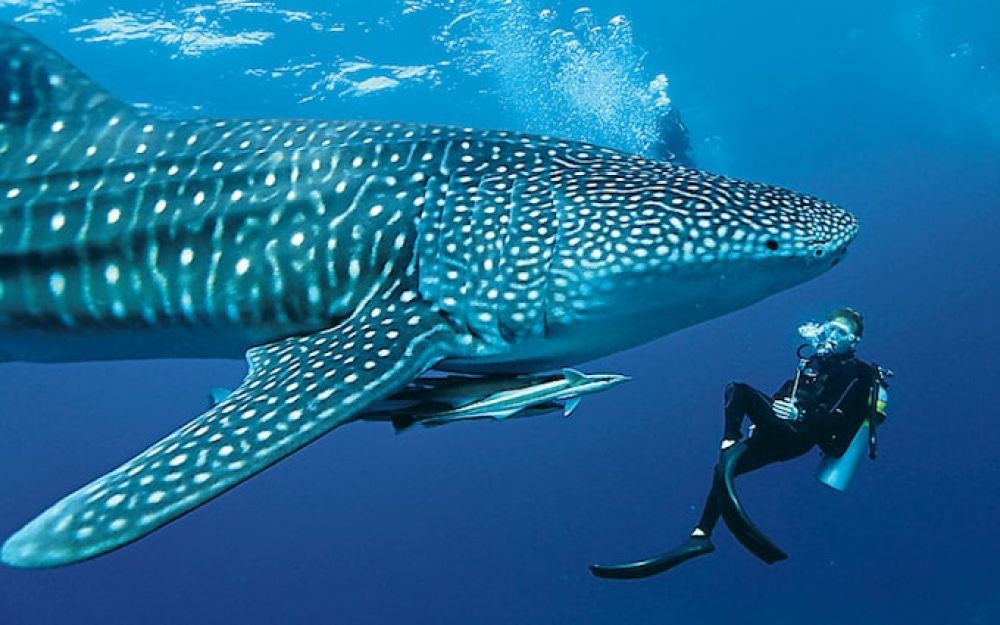

The Maldives has achieved a decisive conservation gain on the world stage, successfully steering a global initiative to upgrade protections for whale sharks at the 20th Conference of the Parties to the Convention on International Trade in Endangered Species of Wild Fauna and Flora (CITES). Delegates at the meeting adopted by consensus a proposal led by the Maldives to transfer whale sharks from Appendix II to Appendix I of CITES, a step that effectively bans commercial international trade of whale sharks and their parts. The Ministry of Tourism and Environment underscored that Appendix I listings are reserved for species facing an imminent threat of extinction, highlighting the urgency of safeguarding this slow-growing, migratory species. Under the stricter regime, cross-border movement of whale shark specimens is prohibited except for tightly controlled, non-commercial purposes such as scientific research.
The proposal was co-sponsored by 16 other countries, reflecting strong international confidence in the Maldives’ leadership on marine conservation and sustainable tourism. For the Maldives, whale sharks are more than a charismatic species; they are central to the country’s tourism-driven economy and its global brand as a premium marine destination. Resorts located near established whale shark aggregation sites, particularly in atolls famed for year-round sightings, have built exclusive excursion products, specialized guiding services, and high-end guest experiences around responsible encounters with these gentle giants. This new international protection framework is expected to enhance long-term investor confidence in such resorts by supporting the resilience of a flagship attraction that significantly contributes to occupancy rates, average daily revenue, and repeat visitation from nature-focused high-spending travellers.
Officials noted that whale sharks, already classified as endangered by the International Union for Conservation of Nature (IUCN), currently enjoy full legal protection in Maldivian waters. Fishing, harming, or trading the species is prohibited, and local regulations guide how resorts and excursion providers conduct whale shark encounters to minimize disturbance, such as limiting the number of snorkelers, maintaining safe distances, and enforcing strict “no-touch” policies. The new CITES Appendix I listing adds an additional, legally binding international layer to these domestic measures, closing potential loopholes in cross-border trade and supporting regional cooperation on enforcement.
For the resort sector, the decision is viewed as an important reinforcement of the Maldives’ positioning as a leading sustainable luxury destination. Properties that operate in proximity to whale shark hotspots now have a stronger platform to integrate conservation narratives into their guest experiences, from curated marine-biology briefings and guided expeditions to citizen-science programmes that invite guests to contribute photographs for individual whale shark identification. These value-added experiences not only enhance guest satisfaction but also help resorts differentiate their product offering in a competitive global market, linking room nights and premium pricing to authentic, well-managed natural encounters.
Industry stakeholders expect the strengthened international protections to encourage further investment in monitoring, research, and community partnerships at resort level. Many resorts already allocate dedicated budget lines for marine biologists, reef monitoring, and awareness campaigns for staff and guests. With whale sharks now shielded by the highest tier of CITES protection, hoteliers anticipate closer collaboration with government agencies and NGOs on data sharing, long-term population studies, and climate-related impact assessments. Such initiatives help resorts manage operational risks tied to environmental degradation while reinforcing their environmental, social, and governance (ESG) credentials, which are increasingly important to global tour operators, investors, and corporate clients.
By embedding whale shark protections in binding international law, the CITES decision strengthens the species’ defence against compounding pressures such as habitat loss, climate change, and illegal exploitation. For the Maldives, this is both a conservation milestone and a strategic economic measure. Protecting the species that underpin the country’s signature marine experiences ensures that Maldivian resorts can continue to offer unique, high-quality encounters that drive tourism revenue, create skilled local jobs, and support broader community development. In aligning conservation objectives with the long-term interests of the resort industry, the Maldives is positioning its tourism sector to grow on a more resilient and sustainable foundation while contributing meaningfully to global efforts to secure the future of the world’s largest fish.
 advertisment



 advertisment