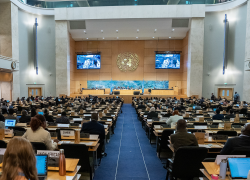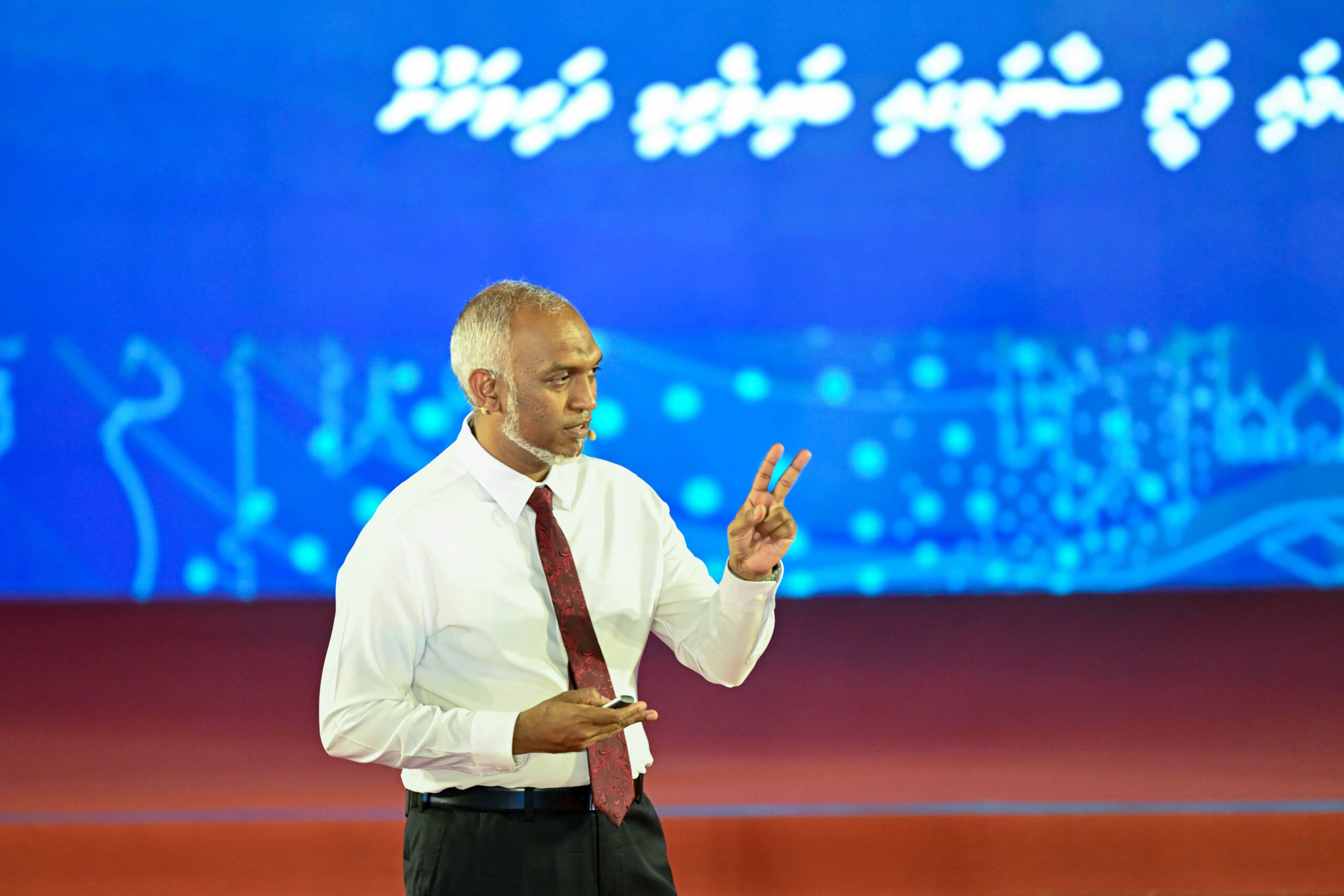

President Dr Mohamed Muizzu has outlined a clear “Maldives First” foreign policy and development agenda that blends strong international engagement with a firm commitment to Islamic principles, presenting a forward-looking vision that supports both national prosperity and a stable, values-driven environment for visitors.
Speaking at a special ceremony held to mark the second anniversary of his administration, President Muizzu stressed that every policy decision will be guided by what brings the greatest long-term benefit to the Maldivian people. He noted that citizens expect foreign relations to translate into real advantages for the country through investment, economic growth, and wider opportunities and reaffirmed that his government is working systematically in that direction.
A key pillar of this approach is the expansion and deepening of diplomatic ties. The President highlighted that the current administration has strengthened relations with numerous countries by opening new embassies abroad and by appointing non-resident or resident ambassadors to 27 countries. This is the highest number of non-resident ambassadors in the nation’s history. According to President Muizzu, assigning existing ambassadors to serve concurrently as non-resident envoys greatly amplifies the benefits of each mission, creating multiple channels for cooperation, increased investment flows, and new partnerships that contribute directly to the development of the Maldives’ economy and infrastructure.
The President also underscored ongoing efforts to secure visa-free travel arrangements for Maldivians with additional countries. Such initiatives not only broaden the horizons for Maldivian citizens but also support stronger people-to-people ties, business exchanges, and tourism links, reinforcing the Maldives’ position within the global community.
Reaffirming the country’s identity as a 100 percent Muslim nation, President Muizzu emphasized that his administration is determined to ensure that every sector from infrastructure and social services to youth programmes and economic projects, operates in line with Islamic principles. He stressed that it is a collective responsibility to act in accordance with the tenets of Islam, and stated that all development projects, the fulfilment of government pledges, youth empowerment programmes, and economic reforms will be implemented within this framework.
Strengthening ties with Islamic countries, particularly Arab nations, remains central to this foreign policy direction. The President stated that his government will give top priority to nurturing relations with Islamic nations and highlighted the especially close relationship with Saudi Arabia. One of the most notable outcomes of this partnership is the Maldives’ inclusion in the Mecca Route Initiative, an arrangement designed to ease and streamline travel formalities for pilgrims. This not only enhances the spiritual experience of Maldivians undertaking religious journeys, but also reflects the level of trust and cooperation between the Maldives and key partners in the Islamic world.
On the domestic front, President Muizzu detailed a series of initiatives aimed at strengthening the Islamic sector and social welfare across the archipelago. He explained that the development of endowment buildings in various parts of the country has been contracted to different parties, enabling the practical implementation of endowment projects. These buildings, managed in line with established policies, will support religious and social purposes, contributing to community welfare while reinforcing the role of Islamic endowments in national development.
The President further announced that the government is actively engaged in constructing Islamic centres and mosques across the Maldives, alongside initiatives to broaden access to Quranic education. He stated that the Holy Qur’an holds a central place in the lives of Muslims and expressed personal pride and satisfaction in establishing facilities that place the Qur’an at the heart of every community. These centres serve not only as places of worship, but also as hubs of learning and community life, an aspect that adds cultural depth and authenticity to island communities that many visitors find inspiring.
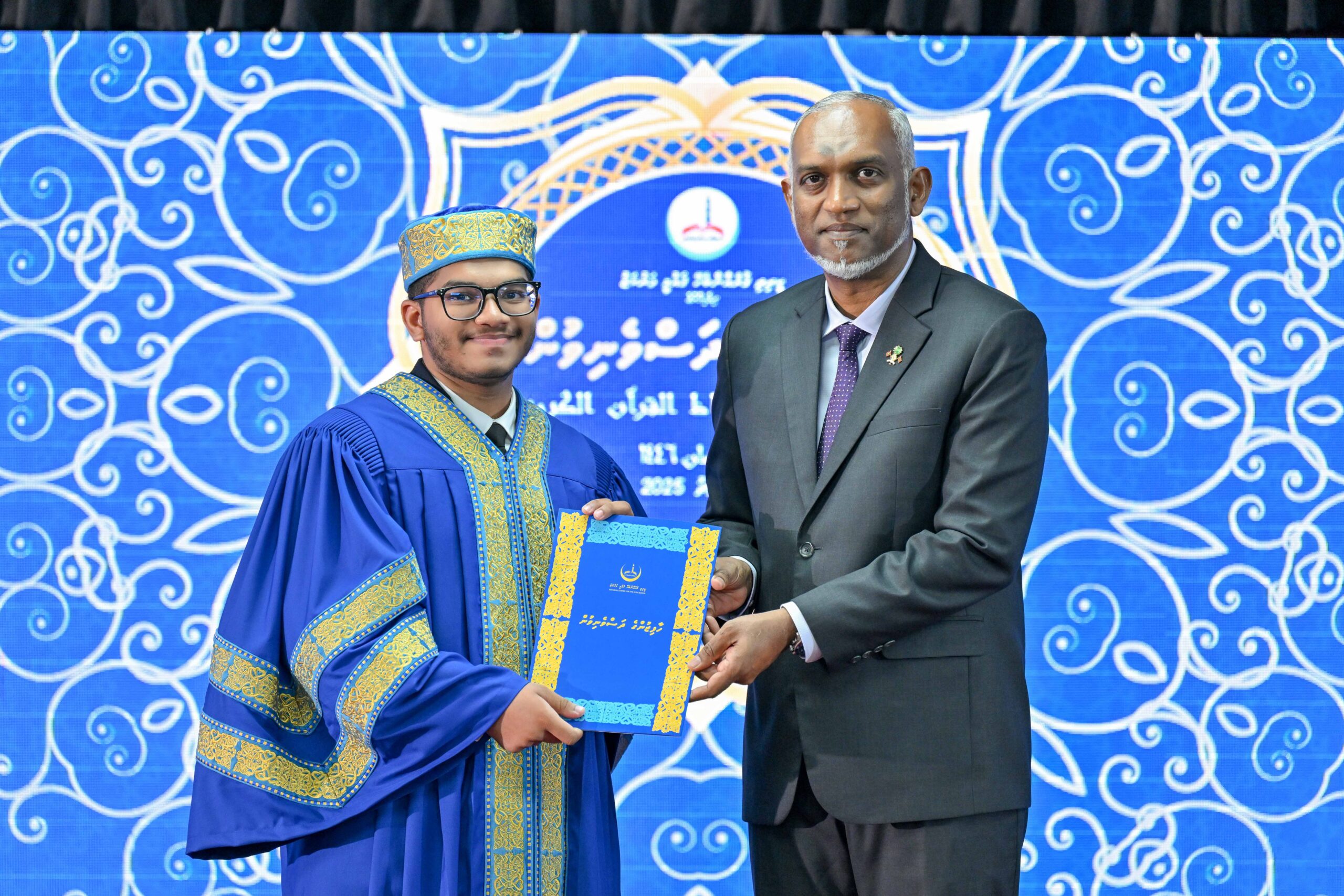
In the capital, Male’ City, the government has launched a programme to enhance the comfort and accessibility of major mosques. President Muizzu announced that air conditioning systems will be installed in mosques with a capacity of more than 800 worshippers, noting that at least five mosques are expected to be fully air-conditioned by the month of Ramadan. These improvements will make congregational prayers more comfortable in the tropical climate, especially during peak seasons, and will support the growing number of worshippers, including visitors who wish to experience local religious life respectfully.
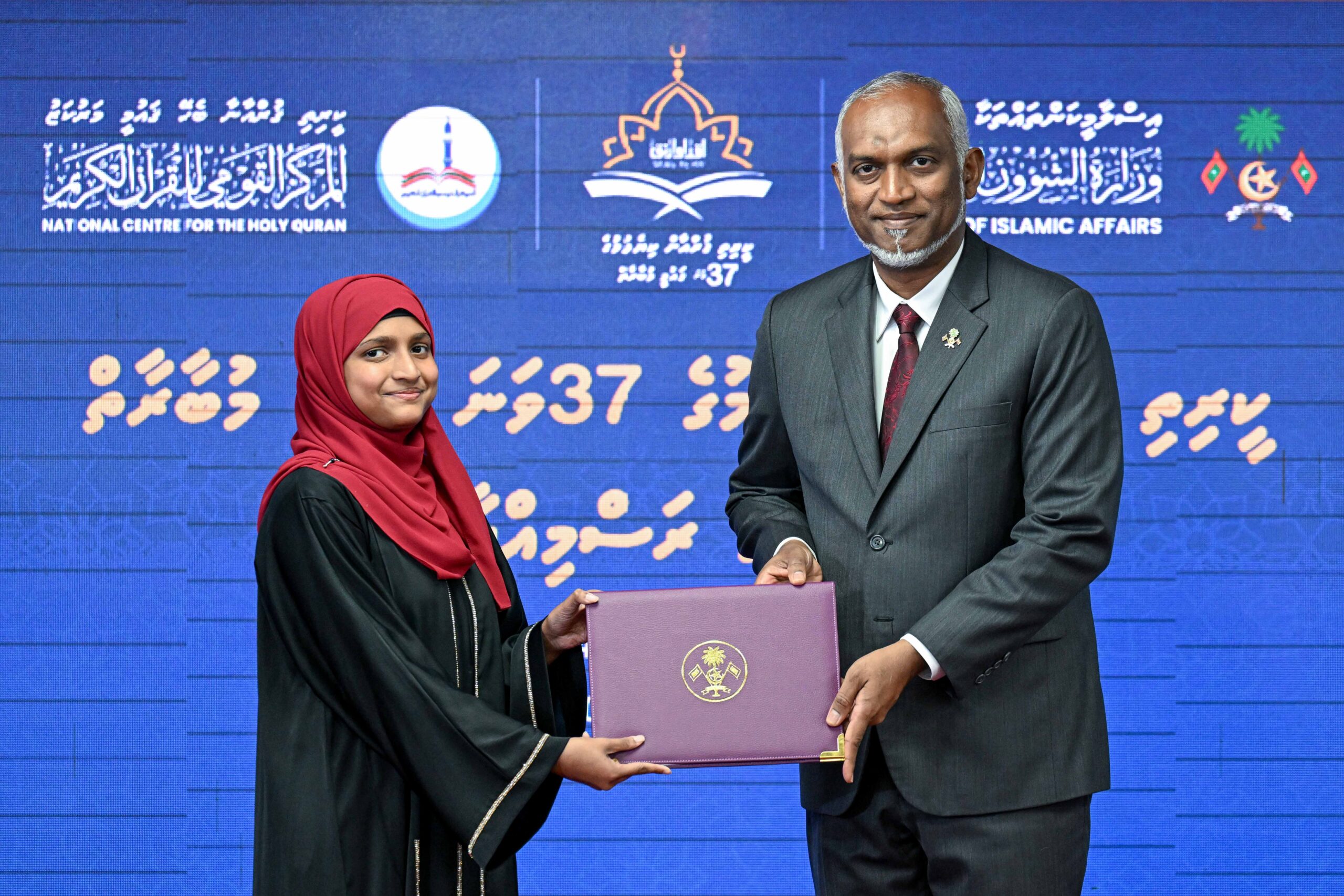
Highlighting investment in religious education and talent development, the President drew attention to the National Quran Competition, which he described as the government-supported competition with the largest prize money in the country. He explained that winners in each category are offered opportunities to pursue their studies up to PhD level, reflecting the government’s commitment to nurturing excellence in Quran recitation and Islamic scholarship. The competition is designed to encourage students to achieve high ranks in Quran recitation, creating a strong foundation of knowledge and skills that will benefit the country’s religious institutions and educational landscape for decades to come.
 advertisment


 advertisment