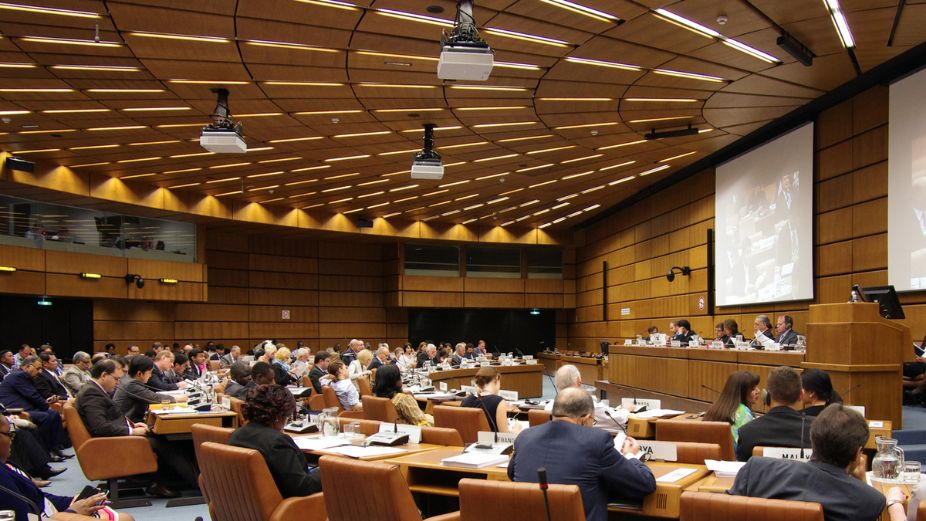

Strengthening its commitment to international cooperation in science and sustainable development, the Maldives has officially become a member of the United Nations Committee on the Peaceful Uses of Outer Space (COPUOS). This strategic move aligns the island nation with the global community of states actively working to ensure that outer space is used responsibly, inclusively, and in service of human development.
Established in 1959, COPUOS functions as the primary United Nations body mandated to promote international collaboration in the peaceful exploration and use of outer space. The committee plays a central role in shaping space governance frameworks, ensuring that space technologies are harnessed to benefit all countries, especially those most vulnerable to global challenges.
With this membership, the Maldives opens up new opportunities to apply space-derived technologies and satellite data to address pressing national priorities. Given its geographic nature as a low-lying island nation, the Maldives is one of the most climate-vulnerable countries in the world. Participation in COPUOS will enable the country to access critical space-based tools for climate monitoring, maritime navigation, environmental protection, and disaster risk reduction. These applications are vital for building climate resilience and strengthening the nation’s capacity to respond proactively to environmental threats such as sea-level rise, coastal erosion, and extreme weather events.
The Maldives’ inclusion in COPUOS also represents a leap forward in shaping the ethical and peaceful use of outer space. As a member, the country gains a seat at the table in global policy discussions and will have a voice in developing principles that govern how space is used for scientific advancement, innovation, and sustainable development.
This year’s COPUOS session welcomed several new member states including Honduras, Zimbabwe, Malta, The Gambia, and Côte d’Ivoire, alongside the Maldives. Their inclusion reflects a broader recognition of the importance of inclusive global participation in space governance and underscores the international community’s commitment to leveraging space for the common good.
For the Maldives, this development presents a timely and strategic opportunity to deepen engagement with international partners and strengthen its scientific capabilities. It reinforces the nation’s vision of integrating advanced technology and data-driven strategies into its national development agenda, especially within the tourism, environmental, and maritime sectors.
As tourism remains the largest contributor to the Maldivian economy, satellite data and space-based monitoring can offer valuable insights into coastal resource management, coral reef health, and environmental sustainability, further enhancing the Maldives’ appeal as a leading eco-tourism destination in the Indian Ocean.
The Maldives’ membership in COPUOS marks a forward-looking step in the country’s broader efforts to elevate its global presence, champion climate adaptation, and embrace scientific and technological innovation for the betterment of its people and future generations.
 advertisment




 advertisment