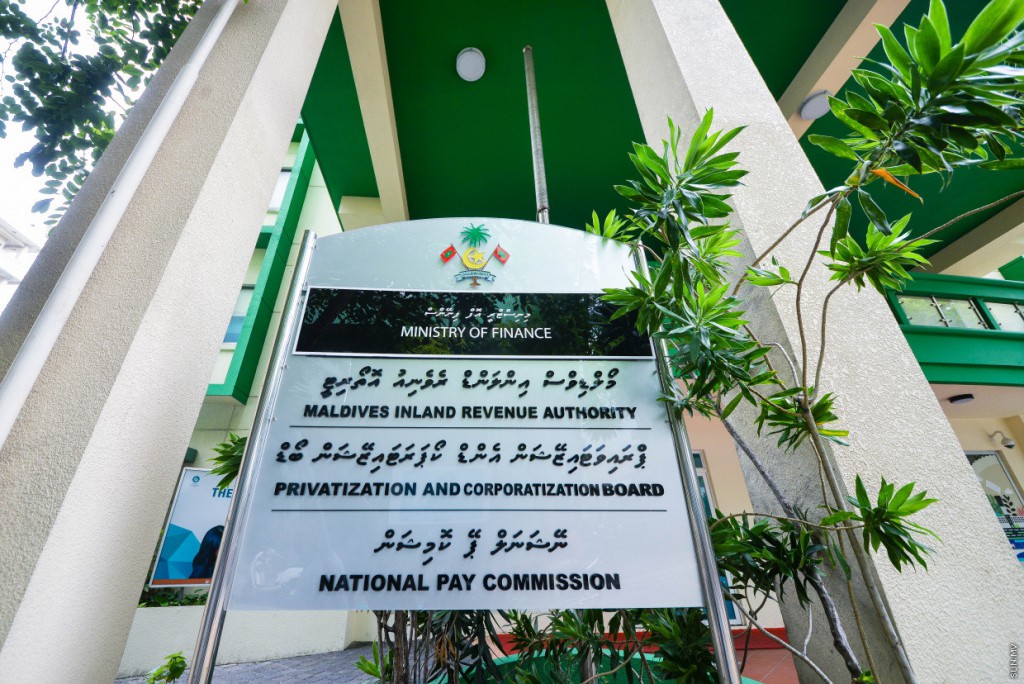

A strong boost in government revenue alongside disciplined expenditure management is reflecting positive fiscal momentum for the Maldives, offering encouraging signals for investors, development partners, and foreign tourists seeking confidence in the country’s economic governance.
According to the Ministry of Finance and Planning’s Weekly Fiscal Development Report, total government revenue and grants from 1 January to 7 August 2025 reached USD 1.54 billion, marking an 8.2% increase compared to USD 1.42 billion during the same period in 2024. The fiscal data points to tax revenue as the primary driver of this growth, contributing USD 1.2 billion to the national treasury, followed by non-tax revenue of USD 324.3 million. This consistent growth in public revenue is underpinned by enhanced tax administration and improved economic activity, particularly in tourism and related sectors.
In parallel with the revenue surge, the Maldives has recorded a notable 16.7% reduction in government expenditure, bringing total spending to USD 1.4 billion within the first 29 weeks of the year. This disciplined fiscal approach is part of the government’s wider economic consolidation strategy, aimed at reinforcing macroeconomic stability while preserving essential investments.
The government’s recurrent expenditure, which includes administrative costs and operational spending showed a 1.1% year-on-year decrease, demonstrating a focused effort to streamline public operations. Within this category, administrative expenses comprised 56.9% of recurrent spending but were down 5.4% compared to the same timeframe last year. Additionally, specific categories saw targeted reductions: office supply expenses fell by 17.8%, repairs and maintenance by 19.9%, transportation by 5.3%, and subsidy payments dropped by 9.1%, all reflecting the government’s commitment to efficiency and financial prudence.
In terms of capital expenditure, the state allocated USD 181.6 million during the reporting period, representing 21.2% of the total budget approved by Parliament for the year. These investments were primarily directed toward long-term infrastructure development, including road construction, bridges, and airport upgrades, which are vital to supporting the Maldives’ growing tourism economy and enhancing nationwide connectivity.
This combination of robust revenue performance and restrained spending signals an increasingly resilient fiscal outlook for the Maldives. For international tourists, these developments affirm the country’s capacity to maintain high-quality infrastructure and services, while ensuring a stable economic environment. From improved airport facilities to better roads leading to luxury resorts and guesthouses, these fiscal efforts are laying a sustainable foundation for continued tourism excellence.
The Maldivian government’s ongoing fiscal reforms and infrastructure investments not only strengthen the backbone of its tourism-driven economy but also ensure that public finances are managed in a way that balances development needs with long-term economic sustainability, reinforcing the Maldives as a trusted and progressive destination in the global tourism map.
 advertisment




 advertisment