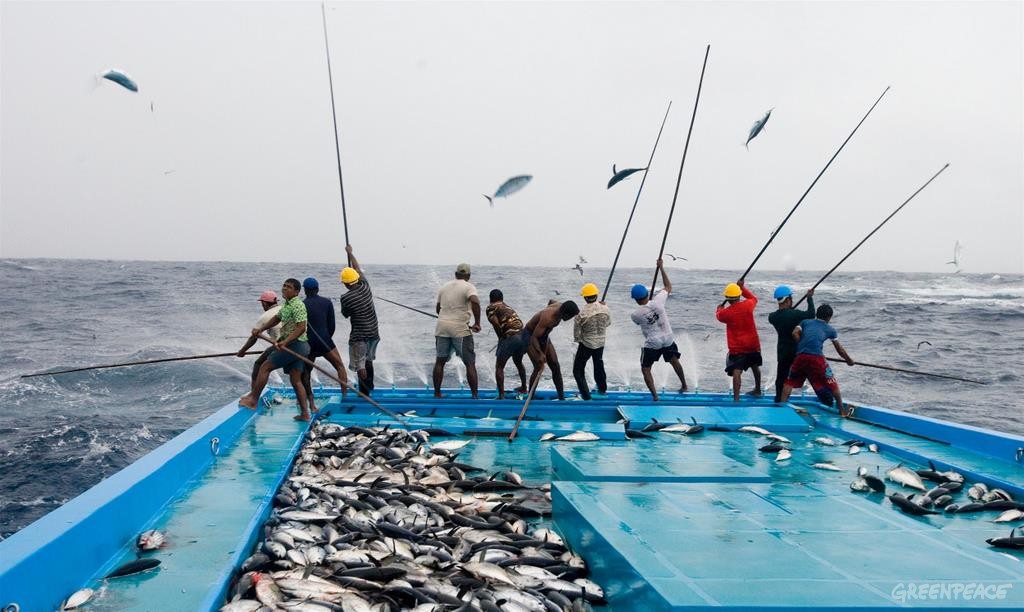

A robust surge in fish exports during the first half of 2025 has reinforced the critical role of the fisheries sector in the Maldives’ economic outlook. According to figures released by the Maldives Monetary Authority (MMA), export receipts from fish products reached USD 74.5 million between January and June, marking a 43 percent increase from USD 52 million recorded during the same period in 2024. The growth in export earnings was primarily fueled by a sharp rise in export volumes, indicating both increased production and heightened international demand for Maldivian fish.
The volume of fish exports rose by 67 percent year-on-year, with 44,877.7 metric tonnes shipped in the first half of 2025 compared to 26,850.8 metric tonnes during the same timeframe last year. This upswing in output highlights stronger domestic fishing activity and improved operational capacity within the industry. April stood out as the most lucrative month, generating USD 18.2 million in fish export value. February followed with USD 13.3 million, then March (USD 12.4 million), May (USD 11.2 million), June (USD 10.8 million), and January (USD 8.6 million).
The export data underscores the central position of fisheries in the Maldives’ economic architecture. Fish and fish-related products continue to form the backbone of the country’s export portfolio, contributing significantly to foreign exchange earnings and sustaining livelihoods in coastal communities.
This upward trajectory aligns with the broader economic strategy laid out by President Dr Mohamed Muizzu’s administration, which has placed the fisheries sector at the heart of its efforts to diversify the national economy and enhance fiscal resilience. As part of this policy focus, the government is accelerating the development of onshore fish processing and cold storage facilities to increase domestic value addition and reduce post-harvest losses.
The Ministry of Fisheries and Ocean Resources has revealed plans to expand the nation’s fish processing capacity nine-fold over the next three years. This bold target reflects a clear intent to transition from an export model dominated by raw fish to a more industrialized and value-driven approach. Enhanced processing capacity is expected to create jobs, improve export competitiveness, and ensure year-round productivity regardless of fluctuations in fishing seasons.
Increased investment in infrastructure and export diversification aligns with global trends that favor traceable, sustainably sourced seafood. The Maldives, renowned for its pole-and-line tuna fishing method, one of the most environmentally responsible techniques, continues to enjoy a strong reputation in international markets such as the European Union, Japan, and the United States.
With continued government backing, expanding production capacity, and rising demand for sustainably caught seafood, the fisheries sector is well-positioned to drive broader economic development while upholding environmental stewardship, making it not only a critical source of national income but also a key pillar of long-term sustainability for the Maldives.
 advertisment




 advertisment