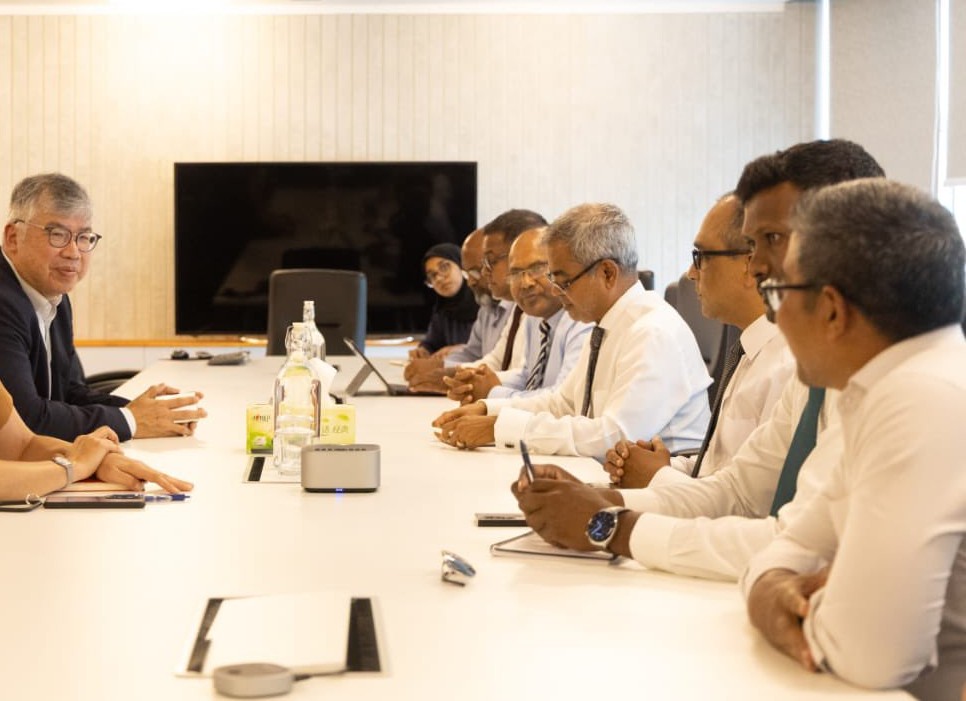

Efforts to advance climate resilience and sustainable energy infrastructure in the Maldives received a boost as the Ministry of Tourism and Environment held high-level discussions with senior officials from the Asian Development Bank (ADB). The meeting, led by Minister Thoriq Ibrahim, reaffirmed the government’s commitment to environmental protection, renewable energy expansion, and adaptive infrastructure development across the island nation.
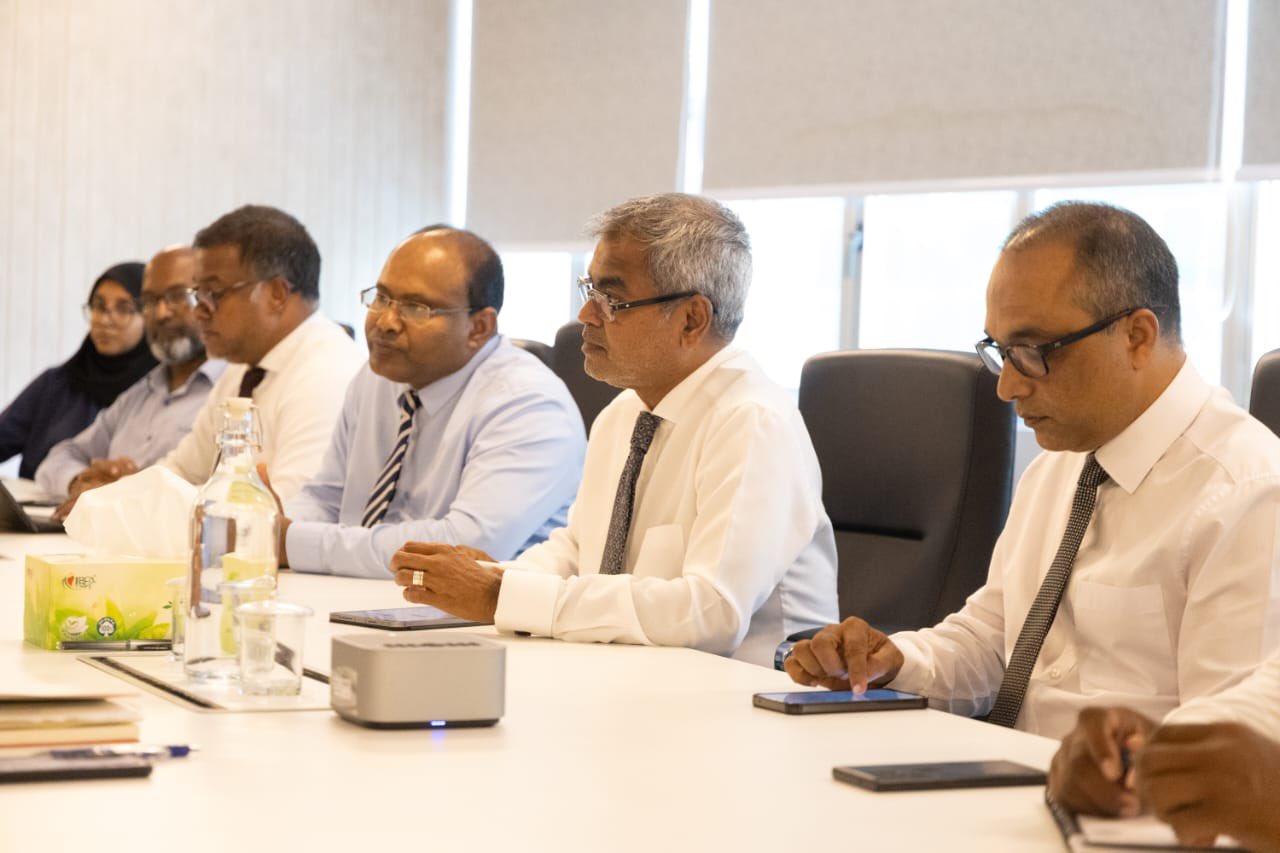
During the official engagement, Minister Thoriq met with Mr. Thiam Hee Ng, ADB’s Regional Head, and Ms. Elisabetta Gentile, Senior Economist at the bank. The talks focused on a wide range of pressing national priorities, including the Maldives’ increasing exposure to climate risks, the urgency of transitioning to renewable energy, and the logistical complexities of waste management across the archipelago. The meeting took place amid a period of intensifying environmental challenges and global climate shifts that continue to place heightened pressure on small island developing states like the Maldives.
The discussions covered both ongoing and future ADB-funded initiatives. Particular emphasis was placed on projects that enhance climate adaptation measures and drive clean energy deployment. Minister Thoriq provided a detailed overview of current partnerships with ADB, underscoring how these efforts align with the national development agenda, particularly in sectors such as energy security, environmental conservation, and island infrastructure improvement.
Ms. Elisabetta Gentile contributed valuable economic analysis from across the Asia-Pacific region, offering comparative insights that could inform project development and policy direction. Her input strengthened the dialogue by connecting macroeconomic trends with local development challenges, reinforcing the need for tailored, sustainable solutions.
A core concern raised during the meeting was the Maldives’ vulnerability as one of the world’s lowest-lying countries. With average ground elevation barely exceeding 1.5 meters above sea level, the country faces existential threats from rising sea levels and increasingly erratic weather events. These environmental risks have made climate adaptation and renewable energy development urgent policy imperatives.
Minister Thoriq reaffirmed the administration’s strong commitment to scaling up renewable energy across the Maldives. This aligns with President Dr Mohamed Muizzu’s national target of converting 33 percent of energy consumption to renewable sources before the end of his presidential term. The ambitious goal is a key component of the government’s broader sustainability strategy, which also includes improving environmental resilience, enhancing energy efficiency, and reducing reliance on imported fossil fuels.
Waste management was another major theme discussed. The minister highlighted the ongoing challenges in transporting and processing waste between the Maldives’ widely dispersed islands. Despite efforts to centralise and improve waste infrastructure, logistical hurdles continue to hamper environmental progress. Addressing this issue remains a central component of the Ministry’s future cooperation with ADB.
According to the Ministry of Environment, the talks also served to strengthen institutional relations with the ADB. Both parties discussed expanding financial and technical support in areas such as climate finance, infrastructure development, and capacity-building for local agencies and technical staff. The Ministry expressed optimism that these collaborations would lead to more effective project implementation and greater resource mobilisation for long-term environmental resilience.
This engagement reflects the government’s broader push under President Dr Mohamed Muizzu’s leadership to modernise the country’s environmental and energy frameworks. Since taking office, the administration has prioritised sustainability as a national objective, embedding it into key policy initiatives that intersect with tourism, environmental protection, and economic growth. These include developing island-specific renewable energy solutions, enhancing coastal protection, and improving climate-adaptive infrastructure in both inhabited and resort islands.
With its economy heavily reliant on nature-based tourism, the Maldives has every reason to champion environmental stewardship. Initiatives discussed with ADB aim to protect the very ecosystems that support the tourism industry, from coral reefs to beachscapes, while simultaneously ensuring that economic development proceeds in harmony with sustainability.
The Ministry views these recent discussions as part of a broader international partnership strategy to secure the Maldives’ environmental future. As climate threats escalate, the government continues to seek strategic alliances and technical cooperation to safeguard its people, environment, and economic stability. By reinforcing ties with institutions like the Asian Development Bank, the Maldives is taking practical and proactive steps toward a sustainable, secure, and climate-resilient future.
 advertisment



 advertisment