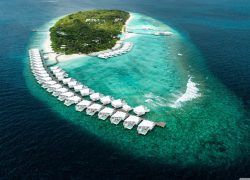
President Dr Mohamed Muizzu has officially approved changes to the administrative boundary of Maafaru Island in Noonu Atoll, with the aim of expanding tourism opportunities and further strengthening the Maldives’ position as a premier travel destination. As part of this decision, the island of Farumuli has been newly designated for tourism development.
The announcement was made following a Presidential Decree issued under Article 35(b) of the Decentralization Act of the Maldives. The decree redefines the jurisdiction of Maafaru Island Council to include Farumuli, located within Noonu Atoll. With this change, Farumuli now falls under the administrative authority of the Maafaru Island Council, enabling more efficient governance and facilitating focused development efforts.
Farumuli has been strategically allocated for tourism development, supporting the government’s broader vision to diversify tourism offerings across the atolls. The decision reflects the Maldives’ ongoing commitment to sustainable tourism expansion, which continues to be the backbone of the nation’s economy, contributing to over 70% of foreign exchange earnings and employing thousands of locals.
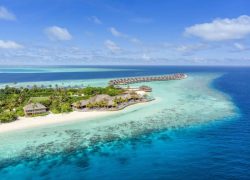
The reallocation of Farumuli is also expected to attract international investment, particularly in luxury tourism and eco-resorts, aligning with the Maldives’ strategy to enhance the quality and range of visitor experiences. With its pristine beaches and natural beauty, Farumuli holds high potential for developing world-class resorts that cater to the growing demand from high-end travellers.
This decision comes in the context of long-standing diplomatic and economic cooperation between the Maldives and the Kingdom of Saudi Arabia. Over the years, the two nations have maintained strong bilateral relations rooted in shared religious values, mutual respect, and regional cooperation. Saudi Arabia has been a consistent development partner to the Maldives, supporting infrastructure, education, and religious development projects across the country.
The newly designated tourism zone in Farumuli provides further opportunities to welcome investment and tourism partnerships from Saudi Arabia and other friendly nations. Strengthening these ties through tourism not only enhances economic opportunities but also reinforces cultural and diplomatic relations.
As the Maldives continues to refine its tourism strategy, initiatives such as the expansion of Maafaru’s administrative reach and the development of Farumuli are part of a broader policy to ensure inclusive growth across the atolls. This approach ensures that local councils and island communities remain key stakeholders in the nation’s tourism success.
The government remains committed to creating an enabling environment for tourism development while preserving the Maldives’ unique natural heritage and cultural identity, ensuring that both visitors and local communities benefit from sustainable growth.
 advertisment



 advertisment