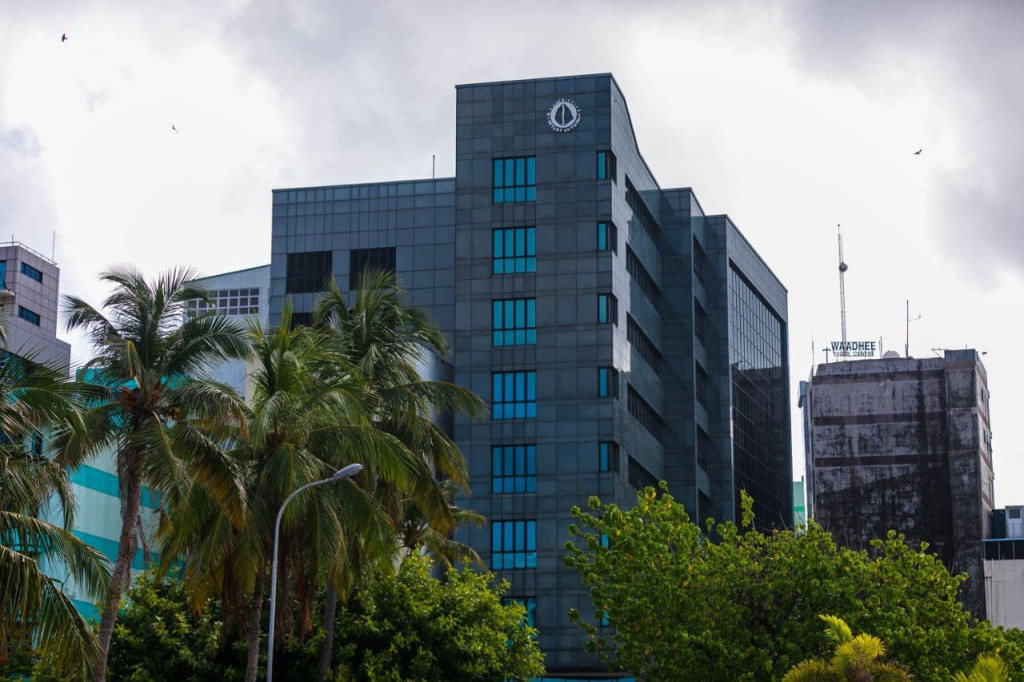

The Maldives Monetary Authority (MMA) has recommended stronger revenue collection, tighter control of recurrent expenditure and greater coordination across government institutions as the Maldives prepares to implement the proposed MVR 59.7 billion state budget for 2027. The central bank’s recommendations highlight several areas where further fiscal reforms could strengthen the Government’s ongoing efforts to reduce the budget deficit while maintaining economic stability and supporting national development priorities.
According to the MMA, the proposed 2027 budget allocates MVR 42.7 billion for recurrent expenditure, equivalent to around 99.7 per cent of projected government revenue excluding grants. The overall budget deficit is estimated at MVR 9.4 billion, or 7.3 per cent of GDP, compared with an estimated 6.2 per cent in 2026. The central bank told Parliament’s Budget Committee that keeping the growth of recurrent expenditure below revenue growth would be important in supporting the Government’s target of reducing the fiscal deficit to 5 per cent of GDP by the end of 2028.
With no new taxes proposed for 2027, the MMA identified improved tax administration and stronger compliance as key opportunities to increase revenue without introducing additional taxation. The authority recommended strengthening audits of tourism businesses to improve corporate income tax collection, while also calling for closer oversight of customs revenue administration and stronger efforts to recover outstanding amounts. It further highlighted the importance of coordination among government agencies to collect the MVR 771 million expected from resort lease extensions and other related fees.
The tourism and resort sector remains central to the Maldives’ economic performance and continues to generate significant government revenue, foreign exchange earnings, employment and investment. Resort lease extensions, tourism-related taxes and other sectoral revenues therefore remain important components of the State’s fiscal framework. The MMA’s emphasis on stronger compliance and improved collection from tourism businesses could help the Government maximise revenue from the country’s expanding resort industry while maintaining the Maldives’ attractiveness as a globally competitive premium tourism destination.
The central bank also advised maintaining adequate contingency measures in the event external developments, including instability in the Middle East, affect international travel and tourism demand. At the same time, it encouraged longer-term economic diversification to reduce the country’s vulnerability to disruptions affecting a single major sector. Such measures would complement the Government’s broader efforts to strengthen economic resilience while continuing to support tourism as a leading pillar of national growth.
On expenditure, the MMA recommended moving from blanket electricity subsidies towards more targeted assistance and proceeding with the planned Aasandha co-payment arrangement for eligible higher-income earners using private healthcare from January 2027. It also encouraged wider use of bulk procurement to reduce healthcare expenditure. For public investment, the authority recommended maintaining progress on ongoing projects while commencing new and already-awarded projects as financing becomes available, with greater priority given to concessional and green financing.
The MMA additionally stressed the importance of securing the MVR 6.9 billion in external financing assumed in the proposed budget and reducing excessive reliance on domestic commercial banks for government financing. Treasury bills and bonds accounted for 35 per cent of commercial banks’ assets at the end of September, prompting the central bank to recommend greater diversification of government financing sources. It also called for stronger controls over foreign currency expenditure and full deposits into the Sovereign Development Fund to ensure adequate resources are available for future external debt repayments.
The recommendations provide an important policy framework as the Government continues implementing fiscal reforms aimed at strengthening public finances, improving revenue efficiency and maintaining economic stability. With tourism remaining resilient and major development programmes continuing across the country, disciplined expenditure management, stronger revenue collection and diversified financing could further support the Maldives’ long-term fiscal sustainability and economic growth.
 advertisment





 advertisment