
Domestic airfares in the Maldives have remained unchanged for the past three years despite sharp increases in international aviation costs, reflecting the Government’s policy of protecting residents, tourism businesses and island economies from rising transport expenses, Minister of Tourism and Civil Aviation Mohamed Ameen has said.
Speaking during an “Ahaa” town-hall forum, Minister Ameen addressed concerns over domestic travel costs and their impact on tourism development across the atolls. Participants highlighted that high transport expenses can affect the competitiveness of island-based guesthouses and other tourism businesses, particularly in destinations that depend heavily on domestic aviation connections for the movement of visitors between Velana International Airport and regional islands.
Minister Ameen said global oil and aviation fuel prices had risen significantly over recent years, resulting in many international airlines increasing ticket prices by approximately 30 to 40 per cent. Despite these pressures, he said domestic airfares in the Maldives had been deliberately maintained without increases during the past three years.
“Over the past three years, we have not increased the price of any domestic flight ticket or the fare for any sector,” the Minister said, noting that domestic passengers and tourism operators had been protected from the full impact of global fuel-price volatility.
He added that ticket rates applicable to passengers travelling in connection with island guesthouses and related tourism businesses have now been reduced below their previous levels, supporting the expansion of tourism beyond the country’s major resort destinations and strengthening visitor access to locally operated accommodation establishments.
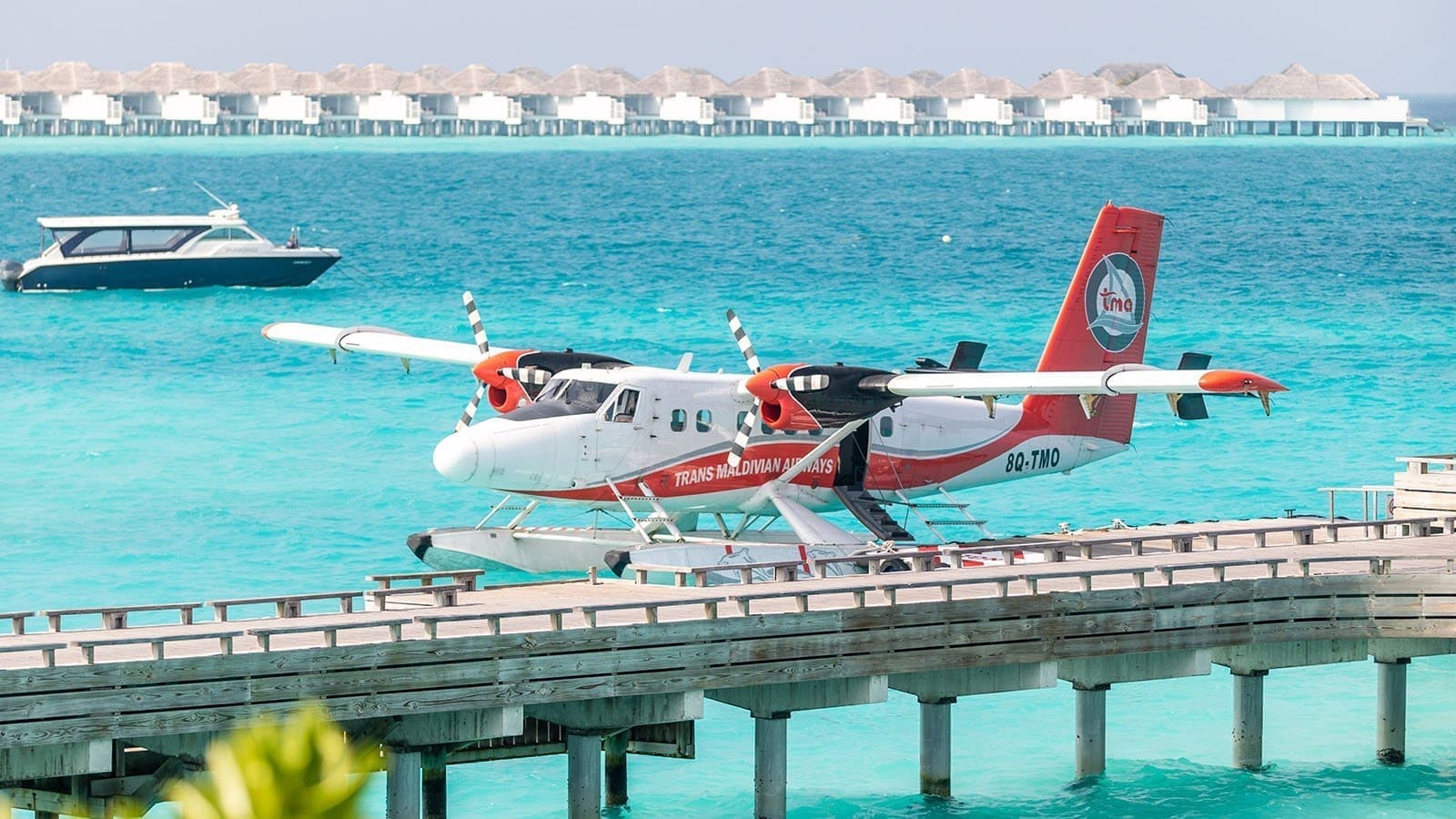
Domestic aviation plays a critical role in the Maldives tourism industry, connecting international visitors with resorts, guesthouses and tourism establishments across widely dispersed islands. Reliable and affordable air connectivity is particularly important for regional tourism development, as many resorts and inhabited-island tourism businesses depend on domestic flights to provide convenient transfers for guests arriving through the country’s main international gateways.
Minister Ameen acknowledged that, as a geographically dispersed island nation heavily dependent on imported fuel and international markets, the Maldives remains exposed to global economic pressures. However, he said the Administration’s policy is to minimise the impact of such external shocks on citizens and businesses as far as possible.
According to the Minister, aviation operators had submitted several proposals to revise domestic airfares in response to increasing operational expenses. President Dr Mohamed Muizzu intervened on three separate occasions to prevent the proposed fare increases, directing airline managements to explore alternative revenue-generation mechanisms instead of transferring additional costs to passengers.
Minister Ameen said the President’s instructions were aimed at ensuring that individual travellers, local guesthouses and the broader tourism industry remain protected from higher domestic aviation tariffs. The policy also supports the Government’s wider objective of strengthening tourism activity across the atolls, improving accessibility to regional destinations and enabling more local communities to benefit from the country’s tourism economy.
 advertisment




 advertisment