

The Maldives tourism industry continued to demonstrate its central importance to the national economy during the first quarter of 2026, recording historically strong visitor arrivals at the beginning of the year while navigating subsequent challenges arising from international geopolitical developments. According to the latest Quarterly Economic Bulletin published by the Maldives Monetary Authority (MMA), tourism remained the principal engine of economic activity, supporting growth alongside expanding construction, real estate and wholesale trade sectors.
The opening months of 2026 delivered an exceptionally strong performance for the destination, with the Maldives registering its highest-ever quarterly tourist arrivals. Visitor numbers recorded annual growth during both January and February, with January initially establishing a new monthly record before February surpassed it with another historic peak. The performance reflected the continuing global appeal of the Maldives as a premium island destination and the strength of the country’s established tourism infrastructure, international connectivity and diversified source markets.
The tourism environment changed considerably following the outbreak of conflict in the Middle East towards the end of February. Tourist arrivals declined by more than one-third in March compared with February, representing the most significant monthly contraction recorded since the COVID-19 pandemic. After double-digit annual growth during January and February, arrivals subsequently recorded notable year-on-year declines in March and April, resulting in a moderate annual decrease in total arrivals during the first four months of 2026.
Despite fluctuations in visitor numbers, total tourism industry bednights increased slightly during the first quarter, indicating continued demand for Maldives holidays and longer visitor stays. The average length of stay increased to slightly more than one week compared with a shorter duration during the corresponding period of the previous year. This remains an important indicator for the tourism economy, as longer stays can generate additional spending across accommodation, transport, excursions, retail and other tourism-related services.
The accommodation market also experienced changing visitor preferences during the period. Resort bednights declined while guesthouse bednights recorded substantial growth, reflecting the increasingly diversified tourism product available across the Maldives. The development illustrates how the country’s tourism industry has expanded beyond its traditional premium resort segment to offer a broader range of accommodation choices while maintaining resorts as the backbone of tourism capacity and investment.
Maldivian resorts continue to represent the country’s most internationally recognised tourism offering and account for the largest proportion of national bed capacity. The sector encompasses a wide range of island properties, including internationally managed luxury resorts, established Maldivian hospitality brands and newly developed properties serving different segments of the premium travel market. Continued resort development, redevelopment and refurbishment have supported the Maldives in maintaining a globally competitive tourism product, particularly as destinations across the Indian Ocean, Southeast Asia and the Middle East continue expanding their tourism portfolios.
Investment in resort infrastructure also remained significant during the period. The MMA reported that bank lending to the tourism sector increased annually, largely supported by financing for new resort developments and major renovation projects. This investment contributes to upgrading accommodation standards, improving guest facilities, introducing newer hospitality concepts and strengthening the long-term value of tourism assets. Renovation and redevelopment are particularly important for maintaining the competitiveness of established resorts, allowing properties to modernise villas, restaurants, recreational facilities, landscaping, service infrastructure and technology while preserving the distinctive natural character for which the Maldives is internationally recognised.
The expansion of operational capacity provides further evidence of confidence in the longer-term prospects of the sector. The number of operational resorts increased alongside overall tourism bed capacity, with resorts continuing to account for the dominant share of available accommodation. Guesthouses represented approximately one-quarter of accommodation capacity, demonstrating the increasingly complementary role of local island tourism within the broader national tourism economy.
Industry-wide occupancy recorded a moderate decline during the quarter as lower occupancy at resorts and hotels affected the national average. Guesthouses, however, registered a notable improvement in occupancy. For the resort sector, short-term occupancy pressures emerged during a period of exceptional external uncertainty rather than from structural weaknesses in the destination. The Maldives continues to benefit from an established premium tourism identity, extensive resort infrastructure and a diversified international visitor base, providing the industry with considerable capacity to respond to changing global travel conditions.
Europe remained the Maldives’ largest regional tourism market during the period, accounting for the majority of international arrivals, while Asia and the Pacific increased their contribution compared with the previous year. The geographical diversity of the country’s tourism markets remains strategically important, helping the industry balance demand across different seasons and economic conditions.
China retained its position as the Maldives’ largest individual source market following strong annual growth, particularly during the Lunar New Year travel period. Russia maintained strong double-digit annual growth and became the second-largest source market. The United Kingdom recorded a moderate decrease after two consecutive years of growth, while Italy and Germany registered smaller annual declines. India continued to experience a significant year-on-year reduction in arrivals, highlighting opportunities for renewed market development and strengthened connectivity with one of the Maldives’ closest major tourism markets.
International aviation conditions also influenced tourism performance. Overall international flight movements declined marginally as several major Gulf carriers reduced operations following regional airspace restrictions. At the same time, selected regional and budget airlines expanded services, demonstrating continued airline interest in the Maldives market. Aviation connectivity remains particularly important for the resort industry, where convenient international access and efficient domestic transfers are integral components of the visitor experience.
The Government has continued to prioritise tourism development, international connectivity, investment promotion and diversification as key components of the national economic agenda. The continued expansion of resort capacity, tourism infrastructure and accommodation options supports these objectives while strengthening employment, business opportunities and foreign exchange generation across the economy.
Tourism remained a major contributor to the strong real GDP growth recorded by the Maldives towards the end of the previous year and continues to represent one of the country’s most important sources of fiscal revenue. Tourism Goods and Services Tax revenue increased significantly during the period, reinforcing the industry’s role in supporting public finances and national development.
Green Tax collections also increased following the adjustment to the applicable rate introduced at the beginning of the previous year. Revenue generated from the tourism industry remains important for financing national priorities, infrastructure and public services, while continued investment in tourism strengthens the broader economic base.
The banking system also remains closely connected to tourism, with approximately one-third of total private sector credit associated with the sector. The annual increase in tourism lending, particularly for new resorts and major renovations, demonstrates the substantial level of economic activity generated through hospitality development and the sector’s importance to construction, professional services, transport, logistics and other supporting industries.
The MMA indicated that risks to the 2026 economic growth outlook have increased amid softer tourist arrivals and international geopolitical pressures. The central bank expects its annual GDP growth projection to be revised downward from earlier estimates as the recent slowdown in arrivals and higher international airfares affect travel demand. Rising global oil prices have contributed to increased aviation costs, adding pressure to ticket prices and international travel conditions.
Nevertheless, the underlying fundamentals of the Maldives tourism industry remain supported by a globally recognised destination brand, an extensive and continuously improving resort portfolio, growing local island tourism, diversified international markets and continued public and private investment. The record-breaking performance witnessed during the opening months of 2026 also demonstrates the considerable demand that exists for the Maldives when external travel conditions remain favourable.
As the Government continues efforts to strengthen tourism infrastructure, enhance international connectivity, encourage investment and broaden the country’s visitor markets, the Maldives remains well positioned to preserve its status as one of the world’s leading island tourism destinations. Continued development and renewal across the resort sector, together with the expansion of guesthouse tourism, are expected to play an important role in reinforcing the resilience, competitiveness and long-term sustainability of the country’s most important economic industry.
 advertisment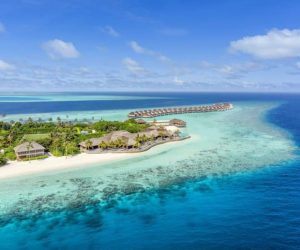




 advertisment