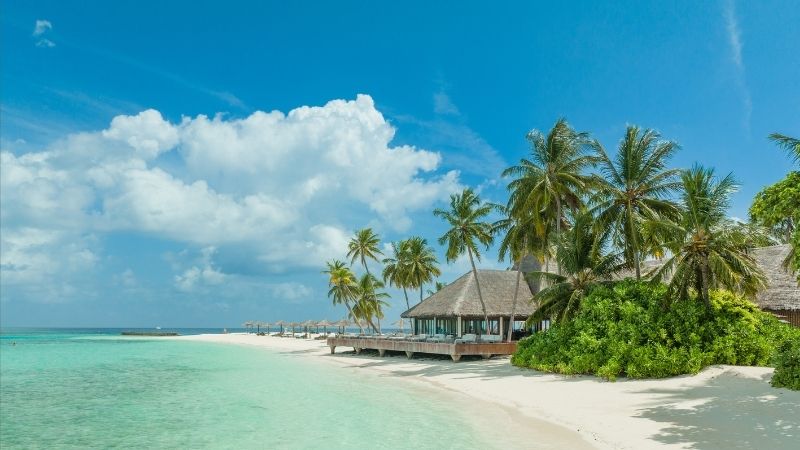

The Ministry of Tourism and Civil Aviation has officially opened bidding for 15 new resort development opportunities across six atolls in the Maldives, presenting a significant new pipeline of tourism investments as the government continues to expand and diversify the country’s globally recognised hospitality sector. The latest tender package includes conventional island and lagoon resort developments as well as dedicated Halal tourism projects, creating opportunities for investors to introduce new hospitality concepts across both established and emerging tourism regions of the country.
Under the individual tender announcements, successful developers will be granted 50-year leases for the designated islands, land plots and lagoon areas. Developers will be provided a three-year development period to complete construction, offering investors a defined framework within which to design, finance and deliver new resort properties. The initiative is expected to support the government’s broader objective of expanding tourism capacity, attracting international investment and encouraging resort development across a wider geographical area of the Maldives.
A key component of the latest investment offering is the allocation of three locations specifically for Halal tourism developments. These include a substantial 200-hectare lagoon area at Makunudhoo Reef in Haa Dhaalu Atoll, where the selected developer will be required to establish a property with a minimum capacity of 150 beds. Two additional Halal tourism locations have been designated at Fonagadhoo in Laamu Atoll and Dhonherai in Seenu Atoll, with each development required to provide a minimum capacity of 100 beds.
The dedicated Halal tourism properties are expected to operate fully in accordance with Islamic principles and provide certified Halal dining services together with appropriately designed recreational and wellness facilities for men and women. The development requirements also include the construction of two separate mosques at each property, allowing dedicated prayer facilities to be provided for resort guests and employees. The concept creates further potential for the Maldives to broaden its appeal among Muslim travellers seeking premium island holidays supported by services and facilities aligned with their religious and cultural requirements.
The introduction of dedicated Halal resorts also provides investors with an opportunity to develop distinctive hospitality products within one of the world’s most established luxury tourism destinations. Maldives resort developments traditionally combine private island environments, high-quality accommodation, marine experiences, personalised hospitality and premium recreational facilities. The new projects provide developers with the opportunity to adapt these strengths for new market segments while maintaining the service standards and natural island experiences for which the Maldives is internationally renowned.
Beyond the dedicated Halal tourism locations, the government is offering ten northern lagoon zones across Haa Alifu, Haa Dhaalu and Shaviyani atolls for resort development. Each lagoon plot covers approximately 200 hectares and requires the development of a resort with a minimum capacity of 150 beds. Lease acquisition costs for these sites range from USD 1.5 million to USD 2.1 million, providing multiple entry points for investors seeking to develop large-scale lagoon-based tourism properties in the northern Maldives.
The northern lagoon developments have the potential to support further tourism expansion outside the country’s traditionally concentrated resort areas. Large lagoon sites provide developers considerable flexibility in resort master planning, including the potential for expansive villa layouts, overwater accommodation, guest amenities and complementary hospitality infrastructure. Increased investment in these regions can also contribute to wider economic activity through employment, transport requirements, local procurement and greater demand for supporting services.
The Ministry has additionally reopened bidding for two uninhabited islands, Nalandhoo in Shaviyani Atoll and Farumuli in Noonu Atoll. Nalandhoo, which had previously been allocated under long-term fisheries leases without progressing to development, is now being offered for tourism investment. Prospective bidders are required to demonstrate financial capacity of at least USD 10 million, while the proposed resort must provide a minimum of 200 beds. The requirement reflects the scale of investment expected to transform the island into a commercially sustainable resort property capable of meeting international hospitality standards.
Farumuli in Noonu Atoll is being offered with an acquisition cost of USD 2.25 million and a minimum development requirement of 150 beds. Noonu Atoll is already recognised within the Maldives tourism industry for its premium island resorts, giving the new development an opportunity to complement the atoll’s established international tourism profile while adding further accommodation capacity and investment to the region.
To strengthen the commercial attractiveness of the projects and support developers during the construction phase, the government is providing import duty concessions for materials brought into the Maldives for resort development. Standard resort projects will qualify for a 15 per cent reduction in applicable import duties, while dedicated Halal tourism developments will receive an enhanced concession of 20 per cent. These incentives are intended to reduce development costs and encourage investors to advance construction within the stipulated development period.
Bidding deadlines for the individual tourism projects fall between 17 November and 23 November 2026. The latest offering underscores the government’s continued focus on attracting international tourism investment, increasing resort capacity and promoting development across different regions of the Maldives. By combining established resort concepts with dedicated Halal tourism opportunities, lagoon developments and new island properties, the initiative provides investors with a broad portfolio of projects while supporting the Maldives’ long-term position as one of the world’s leading island tourism destinations.
 advertisment



 advertisment