
The Maldives’ agricultural sector is expected to enter a new phase of development following the implementation of the Preferential Trade Agreement between the Maldives and Türkiye, which came into effect on 1 August 2026. The agreement is designed to strengthen bilateral commerce, improve access to essential goods and support the Government’s wider efforts to diversify the Maldivian economy.
State Minister of Economic Development, Transport and Trade Hussain Zamir said the agreement offers significant opportunities for farmers and agricultural businesses seeking to modernise and expand their operations. Under the arrangement, customs duties have been removed from selected categories of goods agreed upon through bilateral negotiations between the two countries.
The agreement provides tariff concessions across 75 categories of goods classified according to internationally recognised customs standards. These concessions are expected to reduce the cost of importing agricultural machinery, farming tools, production materials and modern cultivation systems from Türkiye.
Speaking on PSM News’ “Raajje Miadhu” programme, State Minister Zamir highlighted Türkiye’s extensive use of modern agricultural technologies and said Maldivian farmers could benefit from improved access to equipment that supports more efficient, productive and climate-resilient farming practices.
Farmers seeking to expand their agricultural activities will be able to import hydroponic systems, vertical farming equipment, greenhouse materials and other agricultural tools from Türkiye without customs duties. The tariff exemptions also cover selected agricultural inputs, including pesticides and chemical treatments used for crop protection and field management.
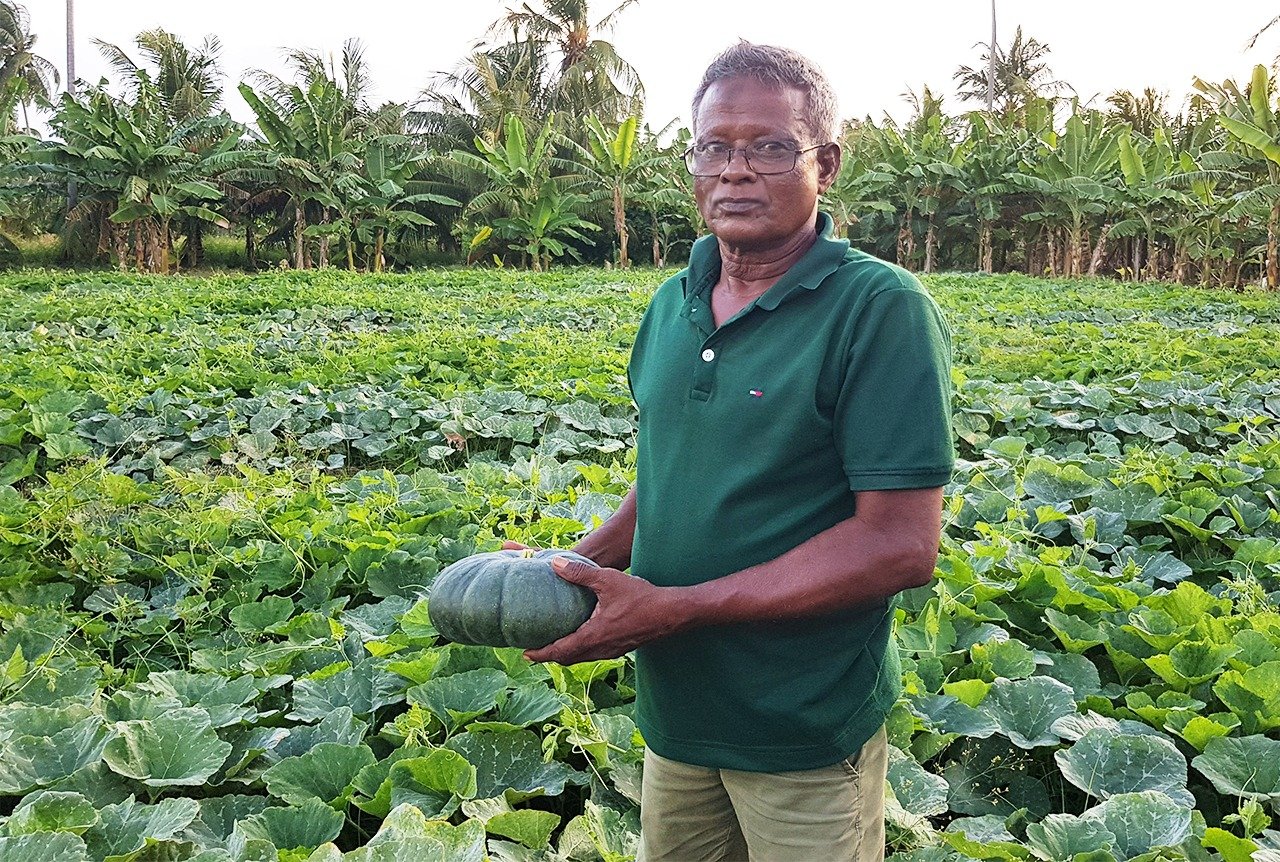
The availability of duty-free agricultural equipment is expected to support the adoption of modern farming methods across the Maldives, where limited land availability and geographical dispersion have historically presented challenges to large-scale food production. Technologies such as hydroponics, vertical farming and controlled greenhouse cultivation can enable farmers to produce more crops within smaller areas while improving the efficient use of water, nutrients and other resources.
The agreement is also expected to encourage investment in commercial agriculture and create new opportunities for local entrepreneurs, farming cooperatives and businesses involved in food production and distribution. Reduced import costs could help agricultural operators improve productivity, introduce new crop varieties and strengthen the domestic supply of fresh produce.
Improved access to advanced agricultural technologies aligns with the Government’s commitment to enhancing food security, reducing dependence on imported produce and developing sustainable economic activities across the islands. The initiative could also support employment opportunities, strengthen local supply chains and enable communities to generate greater economic value from agricultural activities.
Beyond agriculture, the Preferential Trade Agreement is expected to contribute to the broader expansion of trade between the Maldives and Türkiye. Bilateral trade between the two countries currently stands at approximately USD 70 million, demonstrating the growing commercial relationship between the two nations.
Under the agreement, tariff concessions apply to 404 categories of Turkish exports entering the Maldives. Customs duties have been completely eliminated for approximately half of these categories, providing Maldivian consumers and businesses with improved access to a wider range of high-quality products at more competitive prices.
The implementation of the agreement reflects the Government’s continued efforts to expand international trade partnerships, reduce business costs and create new economic opportunities. By strengthening commercial cooperation with Türkiye, the Maldives is positioned to benefit from increased trade, improved access to modern technologies and greater opportunities for economic diversification.
 advertisment




 advertisment