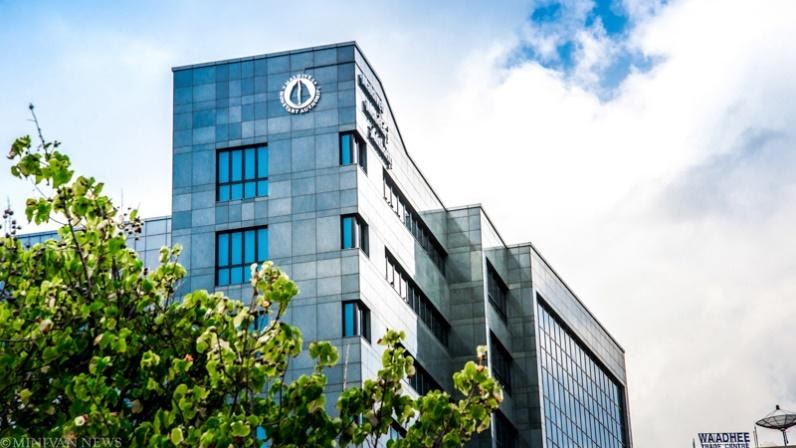

Commercial bank lending to the private sector in the Maldives continued to expand this year, supported by stronger credit growth across several industries that remain central to the country’s economic activity. According to the April Economic Update Report issued by the Maldives Monetary Authority, the annual growth rate of credit and loans extended to the private sector stood at 13 per cent in February and accelerated further to 14 per cent in March, reflecting sustained financial activity and confidence across key segments of the economy.
The report shows that credit distributed to major sectors such as tourism, construction, personal borrowing, commerce and real estate recorded broad-based growth in March. Among these, the tourism sector registered the most notable increase, underlining its continued importance to the Maldivian economy and its role as a leading destination for investment. The rise in lending to tourism also highlights the confidence financial institutions continue to place in the long-term strength, resilience and global appeal of the Maldives’ hospitality industry.
Credit extended specifically to the tourism sector grew by 12 per cent in March, allowing the industry to retain the largest share of total lending provided by the country’s banking system. Loans to tourism accounted for 34 per cent of all credit issued during the period, reaffirming the sector’s position as the principal recipient of financing among the nation’s industries. This concentration of lending reflects the scale of tourism-related economic activity and the significant opportunities that continue to emerge within the sector.
A key factor behind the increase in tourism-related financing has been the rise in loans issued for the development of new resort properties, as well as financing provided for the renovation and upgrading of existing resorts and guesthouses. This trend points to continued expansion across the hospitality sector, with investors and operators seeking to strengthen capacity, modernise infrastructure and elevate visitor experiences. Resort development in the Maldives remains closely tied to international demand for high-end island tourism, and new projects are expected to further diversify the country’s accommodation offering while supporting employment, supply chains and related service industries.
The emphasis on resort financing also reflects the evolving nature of the Maldivian tourism product. New resort projects are not only increasing bed capacity, but are also contributing to the development of premium experiences tailored to changing global travel preferences. At the same time, renovation activity across existing resorts and guesthouses suggests that operators are actively reinvesting in quality enhancements, product renewal and competitive positioning. This continued capital flow into both new and established properties demonstrates confidence in the Maldives as a luxury and lifestyle destination with enduring international market strength.
Bank of Maldives has similarly indicated that a significant portion of its lending portfolio is concentrated in the tourism industry, further illustrating the sector’s central role within the country’s financial landscape. The bank also noted that, within tourism lending, the value of loans issued in US dollars remains notably high. This reflects the foreign currency-linked nature of the tourism business, where revenues are largely generated from international markets and financing structures are often aligned with the sector’s operating model.
The latest credit data signals a positive outlook for private sector activity in the Maldives, particularly as investment continues to flow into industries with strong multiplier effects across the wider economy. For global observers, the current lending trend offers a clear indication that the Maldives is continuing to strengthen its tourism infrastructure while supporting expansion in related sectors. With resort development and property enhancement remaining active, the country’s banking sector appears to be playing an important role in facilitating growth, reinforcing investor confidence and supporting the next phase of tourism-driven economic progress.
 advertisment



 advertisment