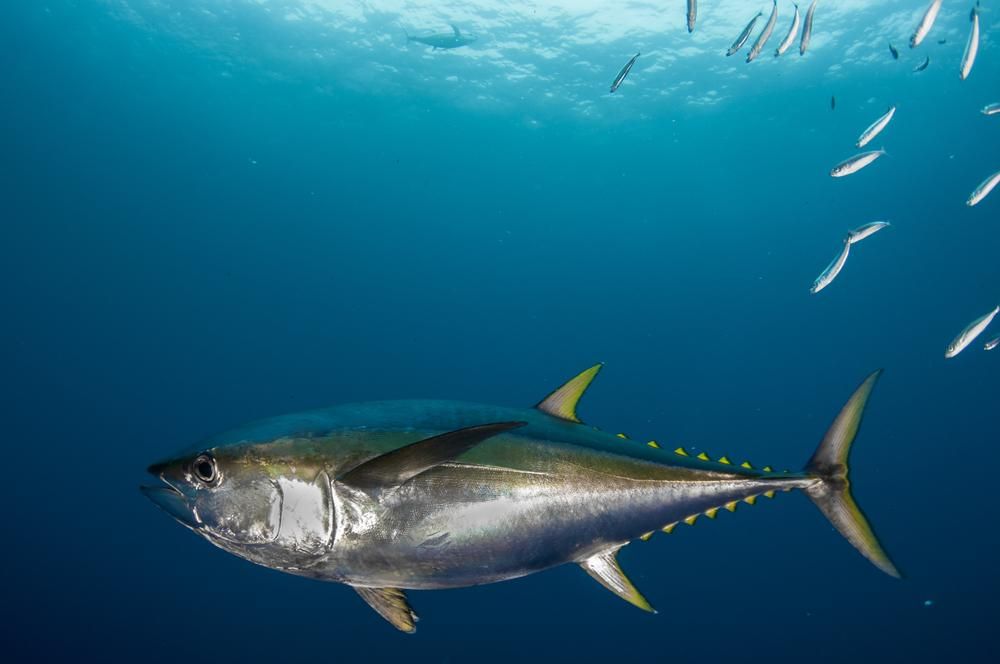

The Maldives has secured a significant new distinction for its fisheries sector as international sustainability assessments begin evaluating tuna fisheries at the country level, offering greater recognition to nations that maintain strong and consistent standards in responsible fishing practices. According to the Ministry of Fisheries and Ocean Resources, the latest ratings issued by the Monterey Bay Aquarium Seafood Watch programme mark the first time tuna fisheries have been assessed through a country-specific framework rather than by species alone. Under this updated approach, Maldivian skipjack tuna and yellowfin tuna have both been recommended as sustainable seafood choices, highlighting the country’s long-standing leadership in environmentally responsible fishing.
This latest recognition places the Maldives in a uniquely strong position within the Indian Ocean, where sustainability performance differs considerably from one fishery to another. The Ministry noted that the Maldives is currently the only country in the region where both skipjack and yellowfin tuna consistently receive the “Best Choice” classification. This achievement reflects the country’s continued reliance on traditional low-impact fishing techniques, particularly pole-and-line fishing for skipjack and handline fishing for yellowfin, methods that are internationally recognised for reducing bycatch, limiting damage to marine ecosystems, and supporting healthier fish stock management over the long term.
Minister of Fisheries and Ocean Resources Ahmed Shiyam described the achievement as a strong endorsement of the Maldivian fisheries model, which has been shaped by generations of knowledge, responsible harvesting practices, and a clear national commitment to sustainability. The recognition reinforces the value of a fisheries system that balances economic activity with environmental stewardship, while also demonstrating that traditional methods can remain highly relevant and competitive in a modern global market increasingly shaped by sustainability expectations.
The updated ratings are also expected to deliver meaningful commercial benefits for the Maldives. As international buyers, retailers, and consumers place greater importance on traceability and responsible sourcing, positive sustainability classifications can strengthen the position of Maldivian fish processors and exporters in premium overseas markets. This is especially relevant in North America, where demand for sustainably sourced and certified seafood continues to expand. The country-specific recognition is likely to enhance buyer confidence, improve market access, and create new opportunities for Maldivian seafood products to secure stronger visibility in competitive international supply chains.
At the same time, the Maldives has further strengthened its fisheries credentials through expanded certification under the Marine Stewardship Council. The country’s existing MSC certification for skipjack tuna fisheries has now been extended to include yellowfin tuna caught using handline methods, bringing the entire national tuna fleet under certification coverage. This broadens the international assurance attached to Maldivian tuna products and supports the country’s wider strategy of maintaining high standards across all major segments of its fishing industry.
The Ministry stated that these developments are closely aligned with ongoing national efforts to expand domestic fish processing capacity and promote Maldivian seafood under the “From Maldives” brand. By linking sustainability recognition with value-added production and international branding, the Maldives is working to secure stronger returns from its marine resources while preserving them for future generations. The latest global recognition therefore represents not only an environmental success, but also an important step in strengthening the country’s blue economy, enhancing export competitiveness, and reinforcing the Maldives’ reputation as a responsible and forward-looking seafood nation.
 advertisment




 advertisment