
A hybrid solar, diesel and battery power system has been commissioned on the island of Kudarikilu in Baa Atoll, supporting the Maldives’ ongoing efforts to expand renewable energy generation and improve the sustainability of power supply across inhabited islands. The project was implemented by Fenaka Corporation Limited under the Preparing Outer Islands for Sustainable Energy Development (POISED) initiative and represents another important step in the country’s wider energy transition agenda, which is focused on reducing dependence on imported fuel while building a more resilient and environmentally responsible electricity sector.
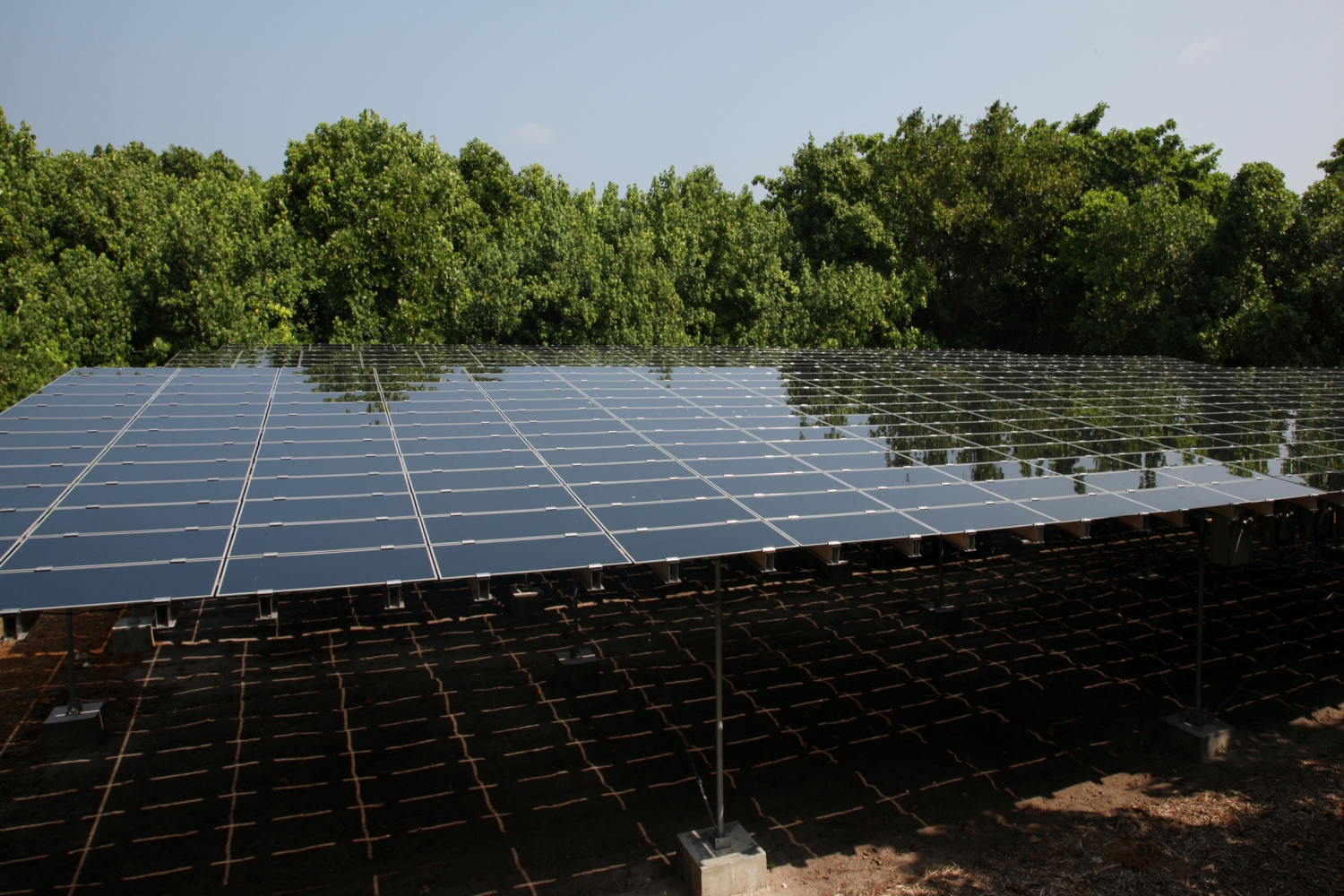
The newly commissioned system integrates a 350.9-kilowatt solar photovoltaic array with a 300-kilowatt battery energy storage system, working alongside the island’s existing diesel generation network. This integrated approach has been designed to optimise electricity production by making greater use of solar energy during the day, storing excess power for later use, and ensuring continuity of service through the support of conventional generation when required. By combining renewable generation with battery storage and diesel backup, the system is expected to provide a more stable and reliable power supply for the residents of Kudarikilu while also enhancing the operational efficiency of the island’s electricity network.
According to the Ministry of Tourism and Environment, the installation is expected to reduce diesel consumption for electricity generation by approximately 165,189 litres each year. This reduction is also projected to lower carbon dioxide emissions by around 405 tonnes annually, highlighting the environmental value of the project alongside its energy and economic benefits. For a small island community such as Kudarikilu, these outcomes are particularly significant, as improved energy efficiency and lower fuel dependence can contribute to long-term cost savings, better energy security and a cleaner local environment.
The Kudarikilu project reflects the broader direction of the government’s renewable energy programme, which aims to increase the share of electricity generated from renewable sources in the Maldives to 33 percent by 2028. This target forms part of a national strategy to modernise the energy sector through practical, decentralised solutions that are tailored to the country’s dispersed island geography. Expanding renewable energy across inhabited islands is expected not only to support national climate objectives, but also to reduce expenditure on imported diesel and ease pressure on foreign currency reserves, both of which remain important priorities for the Maldives as it strengthens its economic resilience.
Renewable energy capacity in the Maldives has grown considerably in recent years. Government figures show that renewable generation has risen from around 53 megawatts, representing approximately four percent of total electricity generation two years ago, to about 110 megawatts at present. This increase reflects accelerating investment in solar and other clean energy systems across the country, supported by national policy, utility-led implementation and development partnerships focused on sustainable infrastructure.
The hybrid system commissioned in Kudarikilu is one of several projects now advancing under national renewable energy programmes. More than 50 megawatts of additional renewable generation is currently being rolled out across 24 islands under the ASPIRE and ARISE initiatives. Together, these projects are expected to make a meaningful contribution to the Maldives’ energy diversification goals, while bringing tangible benefits to island communities through more efficient, dependable and sustainable electricity services.
As the Maldives continues to scale up renewable energy deployment, projects such as the Kudarikilu hybrid system demonstrate how island-based infrastructure investments can support national development priorities while directly improving everyday life for local communities. With cleaner energy, lower fuel use and stronger electricity reliability, the project offers a positive example of how the country is advancing toward a more sustainable and secure energy future.
 advertisment




 advertisment