

Growth in the Maldives’ money supply accelerated at the beginning of 2026, reflecting rising bank deposits, stronger credit expansion, and continued accumulation of foreign assets within the country’s financial system. The latest economic update released by the Maldives Monetary Authority shows that monetary conditions remain expansionary as financial sector activity continues to support investment and economic development across key sectors of the economy.
Reserve money, commonly referred to as base money, recorded an annual increase of 14 percent by the end of January 2026, following a higher growth rate of 17 percent in December. The expansion in reserve money was largely driven by a rise in the central bank’s net foreign assets. Foreign asset accumulation continued to grow at a faster pace than foreign liabilities, strengthening the balance sheet position of the Maldives Monetary Authority. During the same period, net domestic assets declined primarily due to a reduction in the central bank’s net claims on the government, indicating adjustments within domestic financial positions.
The broader measure of money circulating in the economy also experienced significant expansion. Broad money, known as M2, grew by 20 percent on a year-on-year basis by the end of January 2026, slightly moderating from the 21 percent recorded in December. The increase in broad money was supported mainly by the growth of time deposits held in both Maldivian rufiyaa and foreign currency. Transferable deposits and savings deposits in local currency also increased during the period, reflecting higher liquidity levels within the banking system. In addition, currency held outside banks rose, indicating continued expansion in overall cash circulation and financial activity within the domestic economy.
From the perspective of the banking system’s balance sheet, the expansion in broad money was largely supported by the growth of net domestic assets. Commercial banks increased their claims on the central government while credit to the private sector continued to expand steadily. Net foreign assets within the banking system also rose during the period, reflecting continued foreign asset accumulation across financial institutions and contributing to the strengthening of the country’s overall financial position.
Private sector credit growth remained stable during the period. Loans issued by commercial banks to private borrowers expanded by 13 percent on an annual basis by the end of January 2026, maintaining the same growth rate recorded in December. Lending activity continued to be concentrated in several key sectors of the Maldivian economy, including tourism, construction, commerce, real estate, and personal lending, all of which play a central role in supporting national economic development.
The tourism sector continued to account for the largest share of bank lending, representing approximately 35 percent of total credit extended to the private sector. Credit extended to tourism businesses increased by 13 percent over the year, supported by financing for working capital requirements as well as new resort development projects and renovation initiatives across existing properties. Continued investment within the tourism sector reflects strong confidence among investors in the Maldives’ globally recognised resort industry, which remains the primary driver of economic growth and international revenue generation for the country.
Maldives resorts are widely regarded for their distinctive one-island-one-resort concept, offering visitors a combination of privacy, high-end hospitality, and immersive natural experiences in the Indian Ocean. Ongoing investments and renovation projects within the sector aim to enhance luxury accommodation standards, expand sustainable tourism infrastructure, and introduce new guest experiences that align with evolving global travel preferences. Financing activity directed toward resort development and refurbishment highlights the continued commitment of investors and financial institutions to strengthening the Maldives’ position as one of the world’s leading luxury tourism destinations.
Alongside the expansion in domestic liquidity and lending, the Maldives’ external liquidity position also strengthened during the period. Gross international reserves rose to approximately USD 1.0 billion by the end of January 2026, increasing from USD 983 million recorded in December and significantly higher than the USD 708 million reported a year earlier. This represents an annual increase of around 45 percent and provides a stronger external buffer to support the country’s foreign exchange stability and financial resilience.
Recent monetary indicators suggest that the Maldivian financial system continues to demonstrate healthy levels of liquidity, stable credit growth, and stronger reserve positions. The continued increase in deposits and lending activity indicates that domestic financial conditions remain supportive of investment and business expansion, even as global economic conditions and tourism dynamics introduce evolving challenges and opportunities.
Expanding money supply can support investment, infrastructure development, and economic activity across sectors that contribute to national growth. At the same time, the evolving monetary environment highlights the importance of careful liquidity management and responsible credit expansion to ensure that financial stability is maintained while supporting sustainable economic development in the Maldives.
 advertisment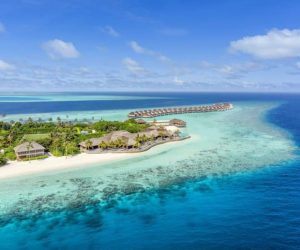




 advertisment