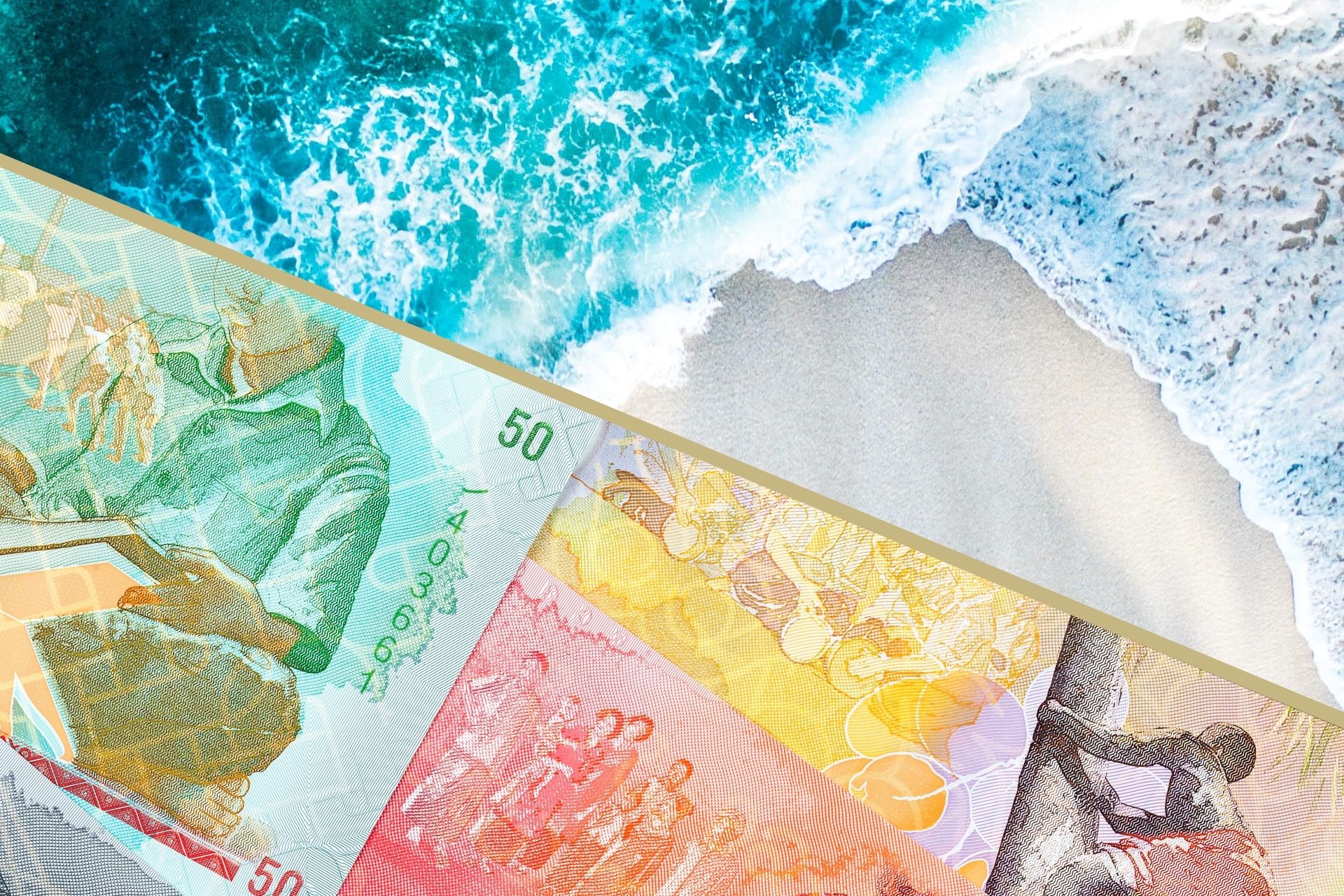

The Maldives has recorded a notable strengthening of its fiscal position during the opening months of the year, with the Ministry of Finance and Planning reporting that foreign currency earnings reached USD 222.8 million as of 26 February. The figures reflect a period of strong economic activity supported by the country’s thriving tourism sector and robust tax collection framework, reinforcing the Maldives’ position as one of the world’s most dynamic luxury travel destinations.
According to official financial updates, the government generated USD 505.19 million in total receipts and grants during the same period, while expenditures were maintained at USD 382.94 million. This resulted in a budget surplus of USD 123.23 million, highlighting a significant improvement in fiscal balance compared to previous cycles. The performance represents a 29.3 percent increase in total revenue compared to the USD 389.62 million collected during the same period in 2025, underscoring the continued expansion of the country’s revenue base.
The strong revenue growth has been largely supported by the Maldives’ highly effective taxation system, which now accounts for approximately 83 percent of total government receipts. By late February, tax-related income had reached USD 421.14 million, reflecting a 30.6 percent increase from the USD 324.32 million recorded during the corresponding period last year. This upward trajectory has been closely linked to the strong performance of the tourism industry, which continues to serve as the backbone of the Maldivian economy and a major contributor to national income.
A significant portion of the increase was driven by the Tourism Goods and Services Tax (TGST), which generated USD 149.16 million in revenue. This represents a substantial 39.4 percent increase compared to the previous year, reflecting sustained demand for the Maldives’ premium resort experiences and continued growth in international visitor arrivals. The Maldives remains globally recognised for its collection of high-end private island resorts, overwater villas, and world-class hospitality services that cater to travellers seeking exclusivity, privacy, and immersive marine experiences in one of the most pristine ocean environments in the world.
The country’s tourism industry has continued to evolve with the expansion of luxury resort developments, upgraded guest experiences, and a diversified portfolio of accommodation options ranging from ultra-luxury private islands to boutique properties and sustainable eco-resorts. These developments have further strengthened the Maldives’ reputation as a leading destination for high-value tourism, attracting visitors from major international markets across Europe, the Middle East, Asia, and North America.
Beyond tourism-specific taxation, broader Goods and Services Tax (GST) collections generated USD 207.65 million, indicating strong activity across the wider consumer and service economy. Taxes on general business operations and goods contributed an additional USD 142.77 million to the national treasury, demonstrating the breadth of economic activity across sectors that support the tourism ecosystem, including transport, logistics, retail, and hospitality services.
The government’s ability to maintain a surplus during the period was supported by a measured and disciplined approach to public spending. Overall expenditure levels remained relatively stable despite structural cost pressures. The national wage bill experienced moderate growth, with expenditures on staff salaries and pensions increasing by 9.6 percent to reach USD 171.26 million. Financial authorities attribute this increase to the government’s ongoing pay harmonisation policy, which aims to standardise salary structures across the public sector while strengthening administrative efficiency and workforce stability.
In addition to improving the short-term fiscal balance, the country has also taken steps to reinforce long-term financial resilience. Contributions to the Sovereign Development Fund increased by 2.5 percent, reaching USD 18,616,467.87 during the period. The growth of the fund, alongside the USD 222.8 million in foreign currency inflows recorded in the early months of the year, reflects a period of improved liquidity for the state and supports broader economic stability.
The overall fiscal performance highlights the continued strength of the Maldives’ tourism-led economic model, where premium hospitality offerings and high-value visitor experiences generate significant foreign currency inflows and tax revenue. With the global travel sector maintaining strong momentum and the Maldives continuing to attract international travellers seeking exceptional island experiences, the country remains well positioned to sustain economic growth while strengthening fiscal stability in the months ahead.
 advertisment



 advertisment