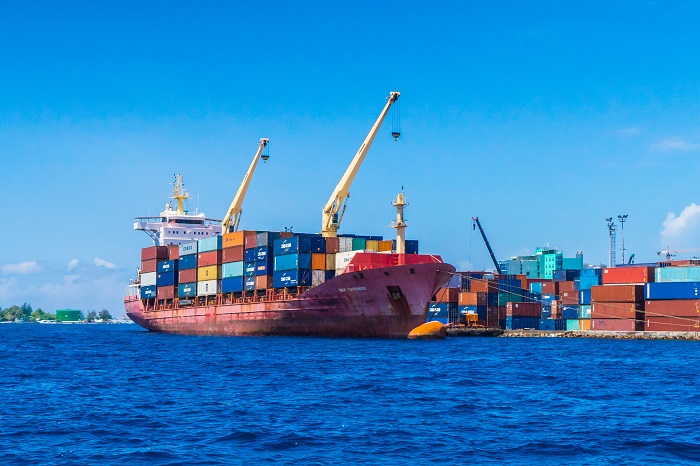

The Government of Maldives has gazetted a comprehensive policy establishing a structured framework for granting exemptions on import duties, royalties and revenue fees, introducing clearer procedures to support activities assessed as economically significant to the country. The policy formalises how discretionary authority may be applied to provide full or partial exemptions for goods imported to initiate, implement or operate projects that contribute positively to national economic development, while ensuring greater administrative clarity and oversight in the approval process.
Under the new framework, exemptions may be granted for imports linked to activities that strengthen the Maldivian economy through increased productivity, trade expansion and employment creation. The policy also allows relief measures during special circumstances where imports serve a broader public benefit, as well as for strategic economic initiatives involving imports, exports or re-exports. Eligible items include capital equipment, spare parts, raw materials and operational supplies required for qualifying projects, providing businesses with enhanced flexibility to invest, expand and modernise operations.
Key sectors identified for potential support include boat building and vessel repair, fisheries development, and agricultural inputs imported by small and medium enterprises. The policy emphasises initiatives that reduce reliance on imports, increase export capacity, generate foreign currency inflows and create sustainable employment opportunities. By encouraging productive investment across these areas, the framework aims to strengthen domestic industries while supporting long-term economic resilience.
The policy also recognises the importance of economic diversification and innovation by extending eligibility to emerging sectors not yet established locally. Projects designed to introduce new industries, promote diversification and support SME growth, including ventures financed through government-backed loans or grants, are included within the scope of the exemptions. This approach is expected to encourage entrepreneurship and facilitate broader participation in economic development across the country.
Tourism, which remains a cornerstone of the Maldivian economy, is addressed through provisions that support both new investments and reinvestment into existing properties. Exemptions may be granted for capital expenditure and renovation projects where investment exceeds 25 per cent of the original project value, enabling resorts to upgrade infrastructure, enhance guest experiences and maintain international competitiveness. The policy also incorporates geographic targeting to encourage balanced tourism development across the archipelago. Materials imported for resort development in atolls with comparatively lower tourism activity, including Haa Alifu, Haa Dhaalu, Shaviyani, Thaa, Laamu and Addu, are eligible for consideration, reflecting efforts to expand tourism opportunities beyond traditionally concentrated regions.
These provisions are expected to support the development of new resort concepts while encouraging sustainable expansion in underrepresented destinations. Resorts developed in these atolls have the potential to introduce unique tourism experiences shaped by untouched natural environments, vibrant local communities and diverse marine ecosystems, strengthening the Maldives’ global appeal as a premium destination while distributing economic benefits more evenly across the country. The policy also recognises the growing global demand for specialised travel experiences by including exemptions linked to halal tourism resort development, supporting investments aligned with evolving international market preferences.
In addition, the framework covers marine fuel imported and re-exported by licensed Maldivian businesses for bunkering foreign vessels, supporting the country’s position as a regional maritime service hub and creating additional avenues for foreign currency earnings.
To ensure accountability and consistency, the policy establishes parameters governing the scope and duration of exemptions and requires that agreements by state institutions containing such provisions receive approval from the President’s Office. Regulations issued by the Ministry of Economic Development and Trade specify that applications may be submitted by entities registered under the Business Registration Act, as well as by local councils and state institutions, enabling participation from both private and public sector stakeholders.
By formalising fiscal incentive mechanisms and introducing clearer administrative procedures, the policy provides businesses and investors with greater predictability while aligning incentives with national economic priorities. The framework is expected to enhance investor confidence, encourage strategic investments and support sustainable economic growth, reinforcing the Maldives’ position as a dynamic and forward-looking economy for global partners and investors.
 advertisment




 advertisment