
The Maldives recorded a significant increase in Green Tax revenue in January 2026, collecting more than USD 14 million as tourism activity continued to strengthen across the island nation. Official figures released by the Maldives Inland Revenue Authority (MIRA) show that Green Tax collections reached USD 14.39 million during the month, representing a 104.8 percent increase compared with USD 7.02 million collected in January 2025. The growth reflects sustained visitor demand for the Maldives’ tourism offerings and the continued expansion of environmentally conscious travel to the destination.
Introduced in October 2016, the Green Tax serves as an important financial mechanism supporting environmental conservation and sustainable infrastructure development across the country’s geographically dispersed islands. Revenue generated through the tax contributes directly to national efforts aimed at preserving fragile marine ecosystems while strengthening essential public utilities that support both local communities and the tourism industry. The steady rise in collections demonstrates the alignment between tourism growth and environmental responsibility, reinforcing the Maldives’ global positioning as a destination that prioritises sustainability alongside luxury hospitality.
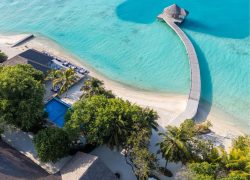
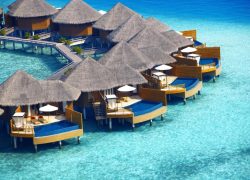
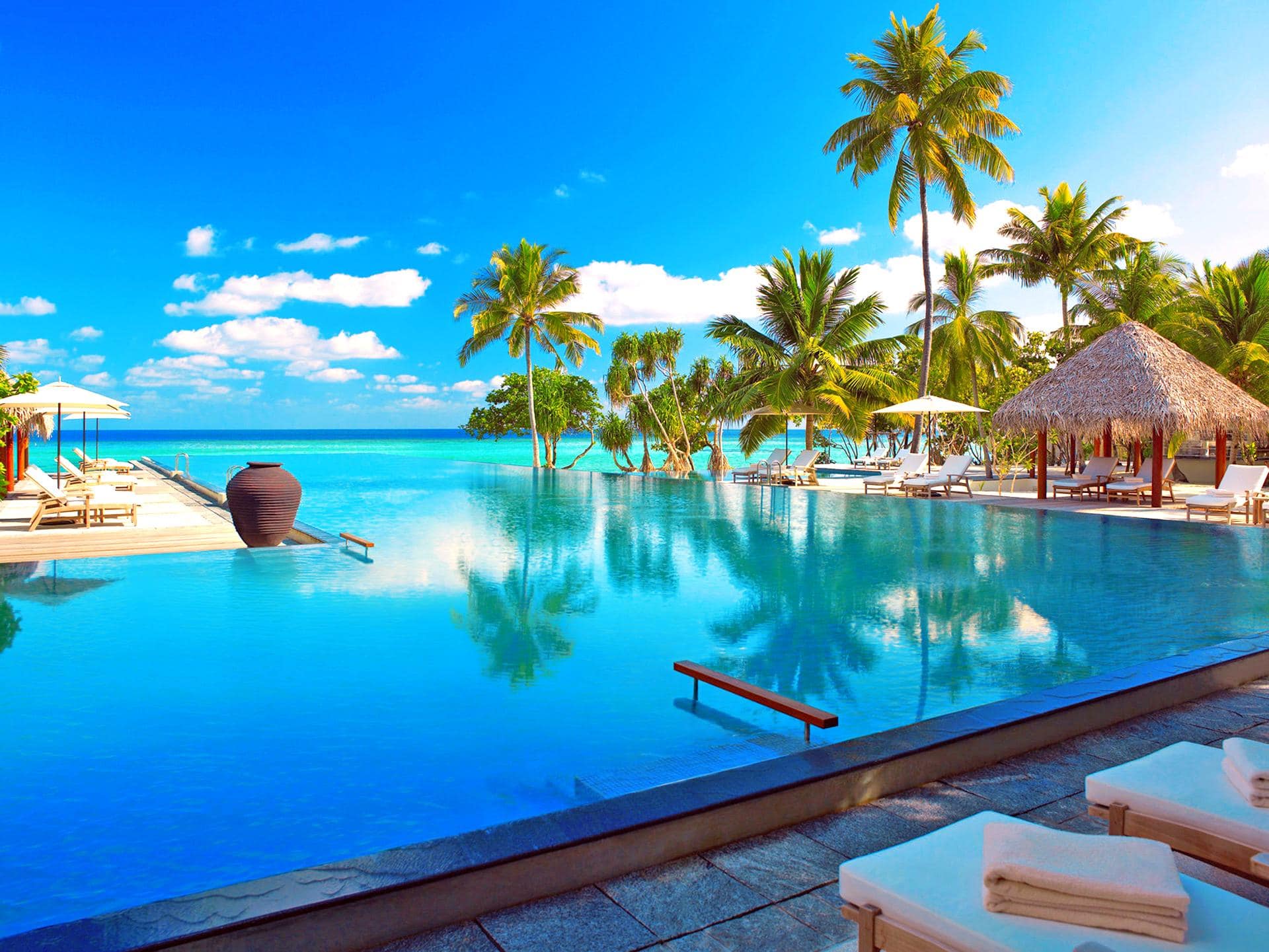
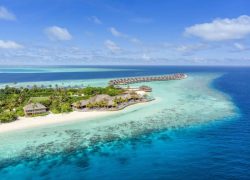
The increase in revenue coincided with a rise in tourist arrivals during January, with the Maldives welcoming 227,198 visitors, marking a five percent increase compared with 216,265 arrivals recorded during the same period last year. Resorts continued to remain the preferred accommodation segment, hosting 153,824 visitors and maintaining their central role in the country’s tourism economy. The resort experience in the Maldives remains internationally recognised for its unique one-island-one-resort concept, offering guests privacy, expansive natural surroundings, and carefully curated hospitality services that integrate luxury with environmental stewardship. Many resorts have strengthened sustainability practices through renewable energy adoption, marine conservation initiatives, waste management programmes, and eco-conscious design, enhancing the appeal of the Maldives among environmentally aware global travellers.
Guesthouses accommodated 59,813 tourists, reflecting the growing diversity of accommodation options available to visitors seeking cultural experiences within inhabited islands, while hotels hosted 6,008 visitors. In addition, 4,942 tourists chose safari vessels, highlighting continued interest in liveaboard travel experiences that allow guests to explore multiple atolls and marine environments throughout their stay. The broad distribution of visitors across different accommodation categories illustrates the evolving structure of Maldivian tourism, which now caters to a wide range of travel preferences while maintaining high service standards.
Green Tax collections are generated through a levy of USD 12 per person per day for tourists staying at resorts, hotels, and safari vessels, while a reduced rate of USD 6 applies to guests lodging in guesthouses. Children under the age of two are exempt from the tax. The system ensures that contributions toward environmental preservation are proportionate to visitor activity while supporting inclusive tourism development across different market segments.
Funds raised through the Green Tax are directed toward critical environmental infrastructure projects nationwide, including the development and upgrading of water and sewerage systems, coastal protection programmes designed to safeguard vulnerable shorelines, clean environment initiatives, and sustainable water supply networks. These investments play a vital role in strengthening climate resilience and maintaining the pristine natural environment that underpins the Maldives’ tourism success.
The strong performance recorded in January highlights the continued resilience of the Maldives’ tourism sector and its contribution to sustainable national development. As global travel demand remains robust, the combination of high-quality resort experiences, diversified accommodation offerings, and sustained environmental investment positions the Maldives as a leading example of how tourism growth can coexist with long-term environmental stewardship, supporting both economic progress and ecological preservation for future generations.
 advertisment



 advertisment