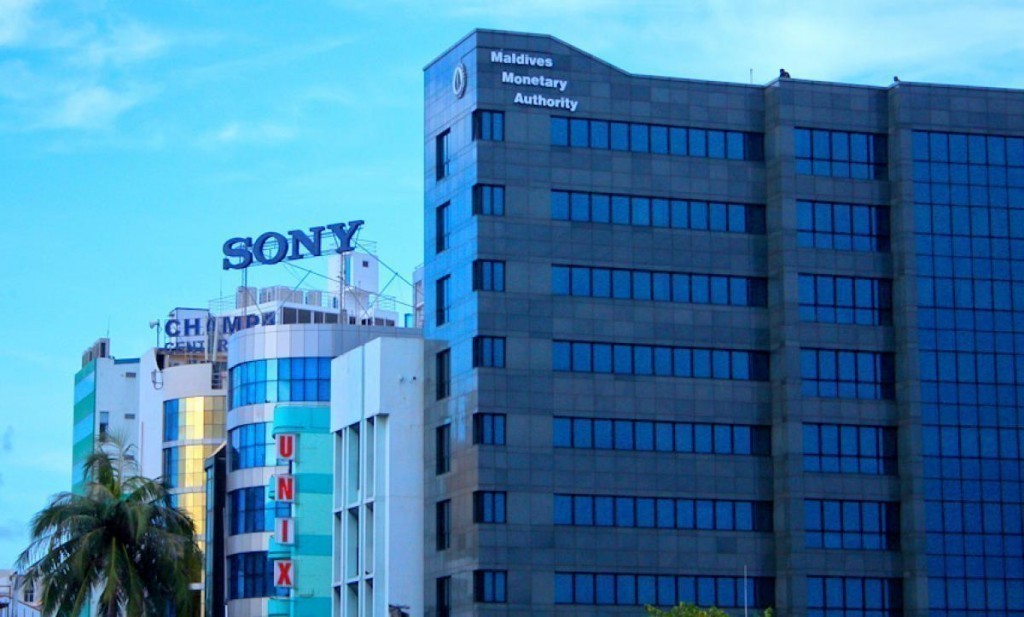

The Maldives has recorded a notable improvement in its external financial position, with the Maldives Monetary Authority (MMA) reporting that the country’s official reserve assets have surpassed USD 1 billion, reflecting renewed economic resilience supported by tourism growth and strengthened foreign exchange management. Newly released central bank figures show that total official reserves reached USD 1.03 billion at the end of January 2026, representing a 4 percent increase from USD 983.04 million recorded at the close of December 2025. This marks the highest level of official reserves observed since 2020, when reserves were temporarily reinforced through international financial arrangements, including a USD 400 million currency swap facility with the Reserve Bank of India and the issuance of a USD 250 million sovereign bond.
Alongside the rise in overall reserves, the country’s usable reserves, widely regarded as a critical measure of immediate financial liquidity, have demonstrated a strong recovery. Usable reserves increased to USD 301.4 million in January, reflecting a substantial 25 percent rise compared to USD 244.1 million recorded a month earlier. This improvement represents the strongest position for usable reserves following a period of pressure experienced over the past two years. The recovery has been achieved despite the presence of significant short and medium-term foreign exchange obligations, which currently stand at USD 839.8 million, highlighting strengthened reserve management and improved foreign currency inflows.
Economic analysts attribute this positive development primarily to the continued robust performance of the tourism industry, which remains the cornerstone of the Maldivian economy. The sustained growth in visitor arrivals and resort sector activity has contributed to stronger foreign currency earnings across the country’s hospitality sector. Maldives’ globally renowned resort industry, known for its high-end luxury offerings, pristine marine environments, and personalized guest experiences, continues to attract travelers from key international markets. The sector’s ability to maintain premium service standards while expanding sustainable tourism initiatives has reinforced global confidence in the destination, ensuring steady inflows of foreign exchange that support national economic stability.
Another contributing factor has been the implementation of the Foreign Exchange Act, which came into effect in January last year. The legislation requires tourist establishments to exchange a portion of their foreign currency earnings through local banks, enhancing the circulation of foreign exchange within the domestic financial system. The policy has strengthened liquidity within the banking sector while supporting broader macroeconomic stability, enabling authorities to better manage currency availability across the economy.
To further maintain market stability and ensure adequate supply of essential goods, the Maldives Monetary Authority has also increased dollar allocations to importers ahead of the holy month of Ramadan, a period traditionally associated with higher consumption and import demand. Beginning 17 February, commercial banks were instructed to provide foreign currency to businesses for a three-week period at levels 32 percent higher than normal allocations. This proactive measure is intended to facilitate smoother import operations, support businesses in maintaining supply chains, and prevent shortages of essential commodities during the festive season.
The latest reserve figures reflect growing confidence in the Maldives’ economic outlook, supported by coordinated monetary policy actions and the continued strength of its tourism-driven economy. For international observers and investors, the improvement signals enhanced financial buffers and a more stable external position, reinforcing the Maldives’ standing as a resilient island economy navigating global economic challenges while sustaining growth through its world-class tourism sector.
 advertisment




 advertisment