
The Government of Maldives is advancing a focused economic diplomacy agenda aimed at strengthening the country’s position as a competitive destination for international investment, reflecting a broader vision to build a resilient and diversified economy aligned with global growth trends. For many years, the Maldives has aspired to attract greater volumes of foreign capital, yet structural and procedural constraints often limited the full realisation of this ambition. Under the leadership of President Dr Mohamed Muizzu, the administration is implementing a carefully structured strategy designed to modernise the investment environment, enhance regulatory clarity, and directly engage international business communities to unlock new economic opportunities.
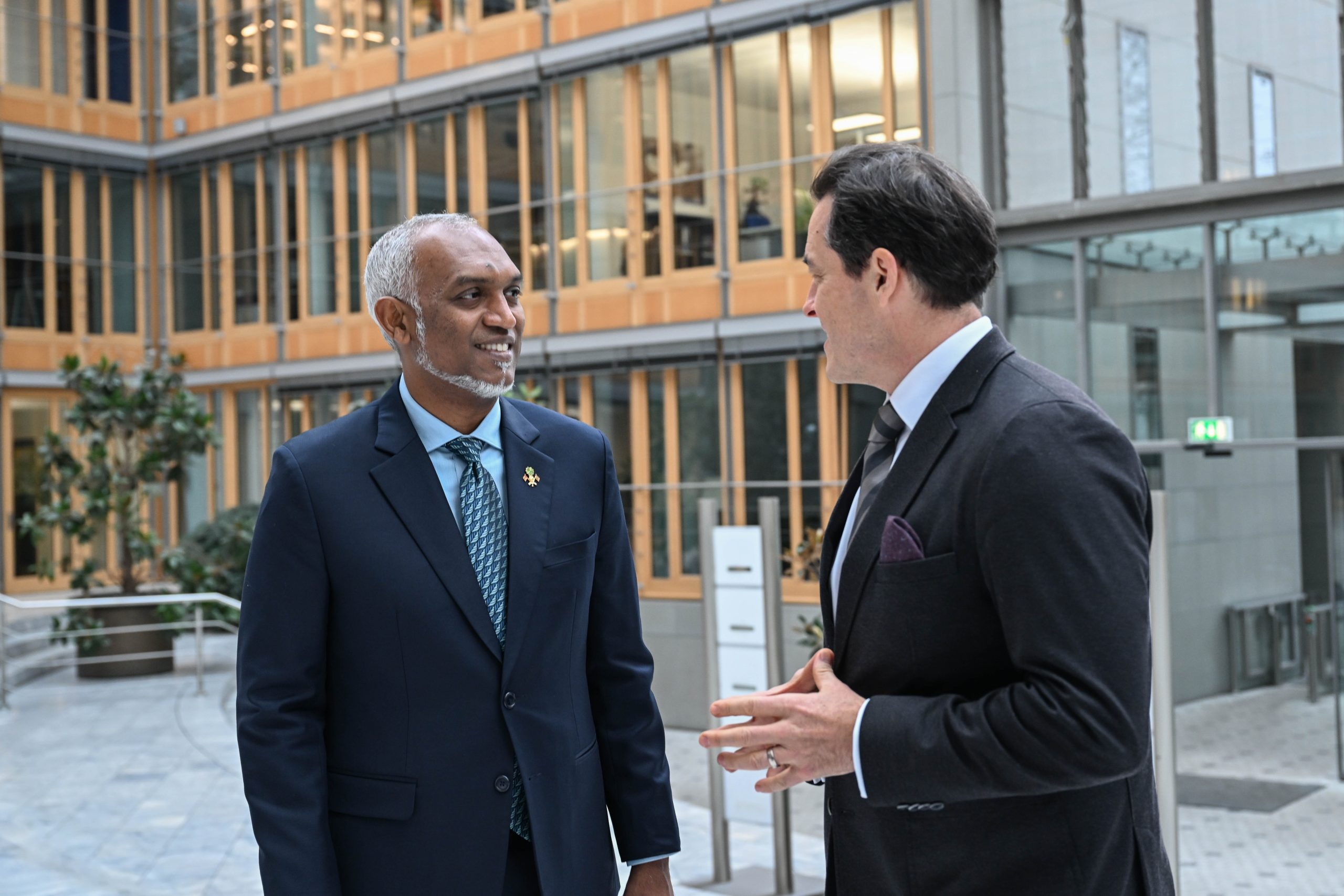
Recent high-level engagements, including the President’s official visit to Germany, highlight a proactive approach to presenting the Maldives as an attractive investment destination to global industry leaders. Germany, recognised worldwide for its engineering expertise, technological innovation, and industrial strength, stands as Europe’s largest economy and the world’s third-largest by GDP. Strengthening economic dialogue with such a globally influential market reflects the Maldives’ intention to align its development priorities with partners capable of contributing advanced expertise, sustainable technologies, and long-term capital investment. During the visit, President Muizzu inaugurated a bilateral Business Roundtable in Berlin, providing a platform for direct dialogue between Maldivian policymakers and German business representatives. Addressing participants, the President acknowledged the complexity of current global economic conditions while emphasising that forward-looking policy innovation remains essential for maintaining economic momentum and long-term national progress.
The administration has articulated a comprehensive national development roadmap targeting developed-country status by 2040, with economic transformation anchored in improving citizens’ quality of life. This vision encompasses large-scale infrastructure modernisation, expansion of essential public services, and structural reforms designed to enhance productivity and competitiveness. Major airport development projects form a central component of this strategy, aimed at strengthening international connectivity, supporting tourism growth, and facilitating broader commercial activity. Complementing infrastructure investments are regulatory reforms intended to simplify business procedures, enhance transparency, and provide predictability for foreign investors evaluating long-term participation in the Maldivian market.
Fiscal discipline has been presented as a cornerstone of the government’s economic management approach. President Muizzu noted that the administration has reduced the national budget deficit to five percent of GDP while maintaining prudent financial policies, a development viewed as reinforcing macroeconomic stability. According to the government, this strengthened fiscal framework has contributed to growing investor confidence, supported by sustained interest and commitments from international corporations seeking participation in the country’s evolving economic landscape.
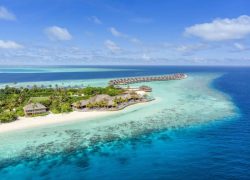
Tourism continues to play a defining role in the Maldives’ growth trajectory, and the government is encouraging investment that enhances both the quality and sustainability of the sector. Initiatives such as the Ayla project are positioned to elevate the luxury tourism segment by introducing innovative hospitality concepts and high-value experiences aligned with evolving global travel preferences. The Maldives’ resort industry remains one of the most distinctive tourism offerings worldwide, characterised by its unique one-island-one-resort model, pristine marine environments, and strong reputation for premium service standards. Continued investment in resort development is expected to further diversify experiences available to visitors, integrate advanced sustainability practices, and strengthen the country’s competitive edge in the global luxury travel market. With international travellers increasingly prioritising environmentally responsible destinations, the Maldives is promoting developments that balance exclusivity with conservation, ensuring that tourism expansion contributes positively to both economic growth and ecological preservation.
Alongside tourism, renewable energy and healthcare have been identified as priority sectors for foreign investment. Projects such as the Solar City initiative demonstrate the administration’s commitment to sustainable development by integrating clean energy solutions into national infrastructure planning. These initiatives aim to reduce reliance on imported fuels, enhance energy resilience, and position the Maldives as a forward-looking island nation embracing environmentally responsible growth. Healthcare investment opportunities are similarly being promoted to expand service capacity, introduce advanced medical technologies, and strengthen the country’s ability to serve both residents and international visitors.
Through ongoing economic diplomacy and engagement with leading global markets, the Maldives is signalling its readiness to deepen international partnerships that generate measurable long-term outcomes. The government maintains that attracting responsible investment aligned with national priorities will support economic diversification, create skilled employment opportunities, and reinforce stability in a rapidly evolving global economy. By combining fiscal prudence, regulatory reform, infrastructure expansion, and targeted sector development, the Maldives continues to present itself as a dynamic and welcoming destination for global investors seeking sustainable growth opportunities in the Indian Ocean region.
 advertisment



 advertisment