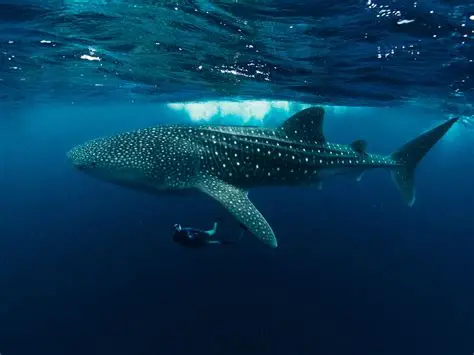

The Ministry of Tourism and Environment has stepped up conservation and regulatory measures in the South Ari Marine Protected Area (SAMPA), a globally recognised refuge for the endangered whale shark, amid rising concerns over vessel traffic and an increase in tourist-related incidents. Minister of Tourism and Environment Thoriq Ibrahim confirmed the strengthened oversight in an interview on PSM News’ ‘Hafuthaa 104’ programme, held to mark the second anniversary of President Dr Mohamed Muizzu’s administration. He emphasised that safeguarding designated conservation sites, particularly SAMPA, remains a central strategic priority for the ministry as it seeks to balance environmental protection with the growth of the Maldives’ high-value tourism sector.
SAMPA, located in South Ari Atoll, is one of the Maldives’ premier marine tourism hubs and a significant asset for resorts and liveaboard operators in the region. The area’s unique ecological dynamics, where reefs and ocean currents converge generate dense plankton blooms that attract whale sharks, known locally as Fihurihi, throughout the year. This predictable presence offers resorts an exceptional opportunity to position whale shark excursions as a core guest experience, drawing visitors who travel specifically to snorkel and dive alongside these gentle giants. For many high-end properties in South Ari, whale shark encounters are a defining component of their value proposition, supporting premium pricing, longer stays, and repeat visitation from nature-focused travellers.
However, SAMPA’s growing popularity has brought serious risks. In recent years, several tragic incidents involving tourists have been reported within the zone, raising concerns over safety standards and operational discipline at sea. More alarmingly for conservation and brand reputation, ministry data indicate that approximately 70 percent of the resident whale shark population in SAMPA now bears scars from vessel contact, mainly from boat propellers. This level of injury not only poses an ethical and ecological challenge but also threatens the long-term sustainability of whale shark tourism, with potential consequences for resorts and operators that promote the area as a world-class, responsible marine experience.
To address these challenges, the ministry has begun implementing tighter controls across all layers of activity within the protected area. From February this year, tourists are only permitted to enter SAMPA under the supervision of certified guides who hold the official SAMPA Guide Certificate. Officials report strong progress through a structured training and certification programme designed to raise professional and safety standards. According to Minister Thoriq, more than 530 participants have undergone training to date, with 440 individuals successfully passing the SAMPA Guide examination. This growing pool of qualified guides is expected to improve in-water management, ensure better communication of safety protocols to guests, and support resorts in aligning their excursion products with international best practices.
As part of the broader regulatory framework, a dedicated SAMPA Ranger Service has also been launched to maintain on-the-water oversight. Minister Thoriq highlighted that the Ranger Service has already logged approximately 121 hours of patrol activity this year, signalling an active enforcement presence in the area. Rangers monitor vessel behaviour, adherence to speed and distance rules around whale sharks, and compliance with guidelines set for tourists, guides, captains, and crew members. The Environment Ministry’s mandatory regulations now apply uniformly to all stakeholders operating within SAMPA, covering everything from guest briefings and entry into the water to vessel operation, crowd management, and interaction distances with whale sharks.
 advertisment



 advertisment