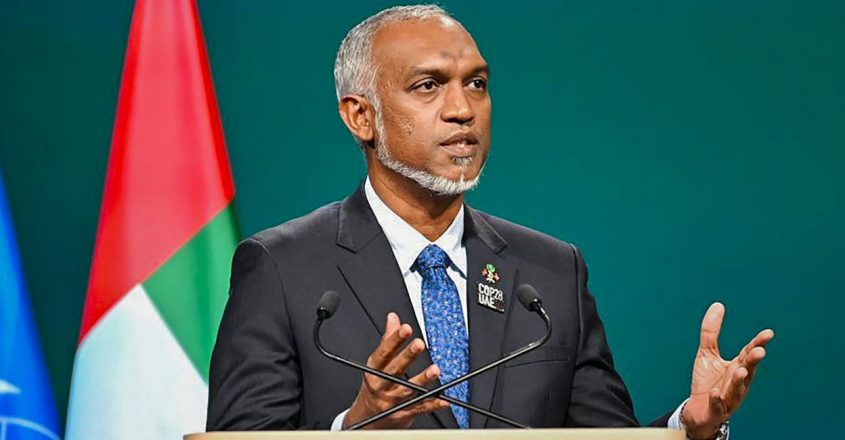

Travellers and businesses across the Maldives are set to benefit from a fresh package of banking reforms introduced by Bank of Maldives (BML) in conjunction with its 43rd anniversary. The changes, driven by President Dr Mohamed Muizzu’s economic policy priorities, are designed to ease foreign currency pressures for Maldivians while supporting a smoother payment experience for visitors and the country’s tourism-driven economy. Tourism directly contributes close to a third of national GDP and generates well over half of the country’s foreign exchange earnings, making efficient financial systems essential to sustaining service quality for international guests.
At the heart of the reforms is a major revision to foreign transaction limits on MVR-denominated debit cards. From 11 November, which marks both BML’s anniversary and the Maldives’ Republic Day, cardholders will be able to use up to USD 1,000 per month at overseas point-of-sale (POS) terminals, double the previous limit. In addition, an extra allowance of USD 3,000 will be available specifically for airline tickets, international hotel reservations and payments to hospitals abroad, providing Maldivians with more flexibility when arranging travel and medical care overseas.
These changes follow complaints from residents about the difficulty of obtaining foreign currency through official channels and the reliance on informal markets where prices can be much higher. President Dr Mohamed Muizzu first outlined his commitment to lifting card limits during a visit to Muli in Meemu Atoll last September, stressing that better access to formal banking channels would reduce the need for ordinary citizens to purchase US dollars at inflated black-market rates. The new card allowances translate that pledge into concrete, system-wide adjustments, giving travellers a safer and more transparent way to manage their spending abroad.
While POS limits are being raised, BML has retained certain safeguards to keep foreign exchange flows balanced. The monthly overseas ATM cash withdrawal limit for MVR debit cards will remain at USD 125, preventing excessive cash withdrawals that could strain reserves. Similarly, the foreign transaction limit for students, set at USD 1,200 remains unchanged, ensuring continued support for those studying overseas while maintaining predictability in the banking system. These calibrated measures align with broader monetary and regulatory reforms aimed at keeping foreign currency available for essential imports, travel and tourism-related services.
The decision to adjust card limits coincides with amendments to the Foreign Exchange Act requiring a portion of US dollars earned through the tourism industry to be channelled through local banks. Under the revised framework, tourism service providers must exchange a specified percentage of their foreign currency earnings via Maldivian banks, with the funds distributed across the banking sector. This policy has already led to tens of millions of dollars being deposited into the domestic financial system, improving overall liquidity and strengthening banks’ capacity to meet customer demand for foreign exchange.
For international visitors, these reforms support a more stable, reliable payment environment. Tourism operators, resorts, guesthouses and excursion providers depend on steady access to foreign currency to pay international suppliers, manage logistics and maintain high service standards. By funnelling more foreign exchange into the banking system and giving Maldivians legitimate, regulated channels for their own overseas transactions, the reforms help reduce pressure on informal markets and contribute to a more predictable macroeconomic environment that underpins investment in the tourism sector.
BML has complemented these currency measures with a major change that directly supports local merchants, including many tourism-related businesses. Effective from its 43rd anniversary, the Bank has reduced its Merchant Discount Rate (MDR) on BML debit card transactions processed through BML POS terminals from 2.5 percent to just 1 percent. This is the first time the fee has been lowered since BML introduced debit card services in 2000, and it represents a substantial cost reduction for more than 7,000 merchants who currently rely on BML’s payment infrastructure across the country from island shops and cafés to dive centres and resort-based boutiques
Mohamed Shareef, Chief Executive Officer of Bank of Maldives, has underscored that cutting the merchant fee to 1 percent is expected to make a real difference to thousands of businesses that form the backbone of the Maldivian economy. Lower transaction costs make it more attractive for merchants to accept card payments, encouraging wider use of electronic payments by both locals and tourists. In practical terms, this can translate into smoother check-outs at hotels, easier payments for excursions and activities, and greater convenience in local shops and restaurants that cater to visitors throughout the archipelago.
To further support liquidity in the business community, BML has also launched an Advance Merchant Settlement facility. This unsecured financing solution allows eligible merchants to access up to approximately USD 129,700, based on their last six months of POS sales with the bank. Repayments are automatically settled against future daily card sales, giving businesses a flexible way to manage cash flow without additional collateral. For tourism operators that face seasonal demand or need to invest ahead of peak travel periods such as upgrading guest facilities, expanding excursion services or improving staff accommodation this type of short-term working capital can be especially valuable.
Taken together, the enhanced overseas debit card limits, strengthened foreign exchange framework, reduced merchant fees and new merchant financing line form a coherent package of reforms that benefit both Maldivian citizens and the international visitors who choose the islands for their holidays. For tourists, the measures contribute to a more resilient, digitally enabled service environment where card payments are widely accepted and businesses have the financial strength to maintain and improve the experiences they offer. For the Maldives, they reinforce the link between a healthy banking sector and a thriving tourism industry, ensuring that the country’s world-renowned hospitality continues to be backed by modern, responsive financial services.
 advertisment



 advertisment