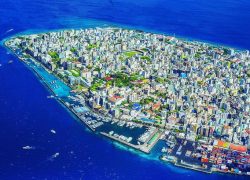

A remarkable upswing in tourism throughout 2025 has helped the Maldives generate over USD 110 million in Green Tax revenue by mid-October, marking a substantial leap in the nation’s environmental funding portfolio. According to the latest data from the Ministry of Finance and Planning, this year’s collection reflects a staggering 105% rise compared to the USD 54.1 million amassed over the same period in 2024.
The figures were confirmed in the Ministry’s “Weekly Fiscal Development” report, which shows USD 110.2 million collected from January 1 to October 16, 2025. Officials attribute this impressive growth directly to the continued strength and expansion of tourism across the archipelago, indicating not only the sector’s healthy rebound post-pandemic but also an increasing alignment between tourism and sustainable fiscal policy.
Tourism arrivals remain closely tied to fiscal performance, with the Ministry of Tourism and Environment reporting that 1.7 million tourists visited the Maldives during this period—an increase of approximately 10% over the 1.6 million arrivals recorded in the same timeframe last year. This consistent growth positions the country on track to meet or surpass its annual tourism targets, further strengthening its economy and environmental efforts.
Introduced in 2016, the Green Tax remains a cornerstone of the Maldives’ environmental policy. It is levied on all international visitors staying at resorts, guesthouses, hotels, and safari vessels, with the aim of funding ecological protection and sustainability initiatives. The rate currently stands at USD 12 per person per night for those staying in resorts, hotels, and liveaboards, while guesthouse patrons are charged USD 6 per night. Children under two years of age are exempt from this tax.
The revenue from this taxation stream is channeled exclusively into environmental protection and development projects, particularly across the outer Atolls. These include vital infrastructure investments such as freshwater supply systems, sewerage networks, coastal defense initiatives, and island-wide clean environment projects, all essential to preserving the Maldives’ natural beauty and resilience against climate challenges.
The Green Tax not only strengthens fiscal stability but also reinforces the Maldives’ international reputation as a leading eco-conscious destination. With pristine coral reefs, turquoise lagoons, and an abundance of marine biodiversity, the country continues to draw environmentally aware travelers from across the globe. The reinvestment of tax revenue into sustainability further enhances the appeal of the Maldives for responsible tourism.
As global demand for sustainable travel continues to rise, the Maldives’ steady increase in Green Tax earnings reflects its dual success: maintaining a world-class tourism industry while prioritizing the protection and long-term viability of its fragile ecosystems.
 advertisment



 advertisment