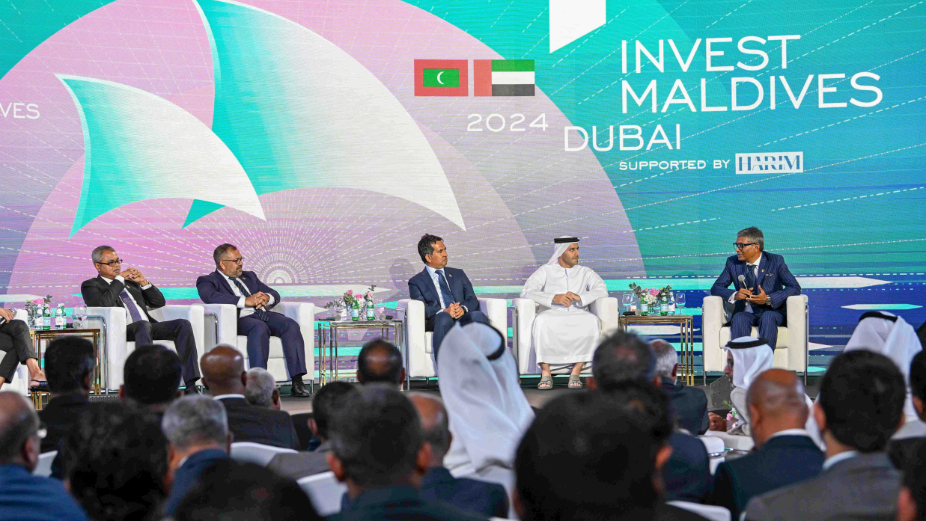

Foreign investors operating in the Maldives are set to benefit from a newly introduced Transition Arrangement by the Ministry of Economic Development and Trade, designed to facilitate a smooth adjustment period following recent policy reforms. The move comes as part of the government’s broader efforts to refine its foreign investment framework while upholding a stable and transparent business environment for international partners.
The revised investment policy, which was recently endorsed by the Cabinet, outlines restricted and closed sectors for foreign investment. To mitigate the impact on current ventures, the Ministry has rolled out a structured transitional framework specifically aimed at supporting existing foreign investors affected by these policy shifts. This ensures that businesses have ample time to adapt to the new regulatory landscape.
An official publication, Annex II, details the specific transition periods allocated based on sector type, project nature, and investment scale. For instance, a one-year grace period is granted to sectors including general business services, cargo and passenger sales agencies, accounting and auditing firms, service-oriented enterprises, and those involved in wholesale and retail trade. Meanwhile, capital-intensive sectors such as sea transport, domestic logistics, and large-scale infrastructure projects are eligible for extended transition periods ranging from three to seven years, depending on operational complexity and investment volume.
In the case of residential real estate developments, transition timelines will align with the terms specified in each project’s original agreement with the government. This approach underscores the government’s commitment to contractual consistency and investor confidence.
Foreign investors who wish to take advantage of the transition period are required to submit an application via email to the Foreign Investment Unit (FIU) at [email protected]. Each application will undergo an initial review by the FIU, followed by evaluation from a dedicated Transition Committee. Once approved, the Ministry will formally issue a decision outlining the permitted continuation period. Investors also have the option to request a re-evaluation if needed.
The transitional policy was crafted in close consultation with the Maldives Business Council, an advisory body that includes representatives from leading private sector entities across various industries. Input was also sought from legal experts and international stakeholders, reflecting the government’s inclusive and consultative approach to economic policy-making.
The Ministry emphasized that the framework reflects international best practices, ensuring that the Maldives remains a reliable and investor-friendly destination. By balancing regulatory reform with continuity, the current administration continues to position the Maldives as a hub of sustainable and responsible economic growth in the region.
This initiative is part of the government’s ongoing efforts to modernize investment governance, enhance transparency, and maintain confidence in the Maldivian market among global investors. It signals a proactive step towards aligning foreign investment policies with national development goals while maintaining a competitive edge in the global investment landscape.
 advertisment




 advertisment